In this article, you will find comprehensive information about the 5 insidious neurophysiological effects of acute swim bladder disorder on your fish's brain and body, and lifesaving emergency intervention strategies.


In this article, we will deeply explore the insidious neurobiological effects of gut microbiome imbalance (dysbiosis) on your rabbit's brain health and provide scientific-based solutions to maintain mental vitality.

In this article, you can find comprehensive information on how pancreatitis in dogs not only affects the digestive system but also insidiously impacts the brain, its neuroinflammatory mechanisms, and lifesaving emergency intervention strategies.

Discover the 5 insidious effects of overfeeding, one of the most stealthy threats to your fish's health, causing neurometabolic destruction in their brains, and learn scientific feeding strategies to prevent this demise. Uncover the silent danger in your aquarium!
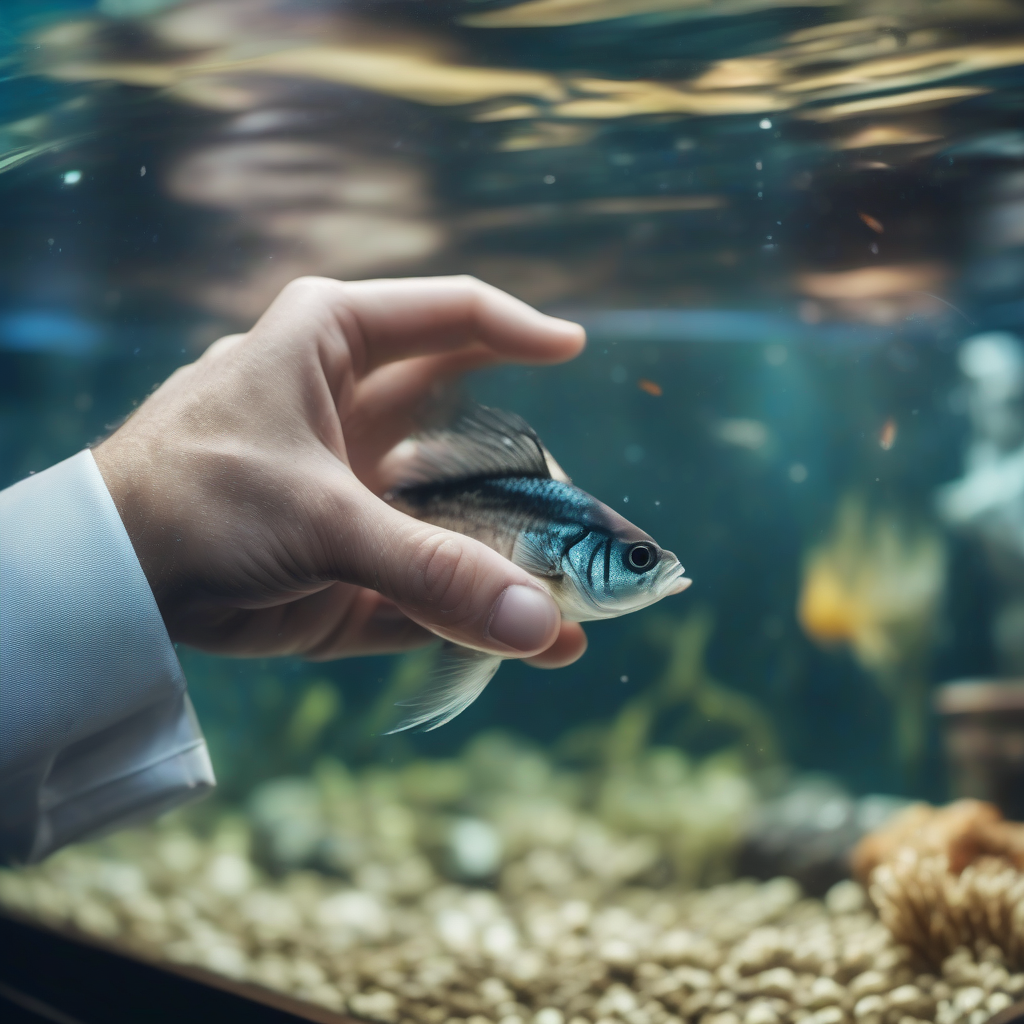
Witnessing one of your calmly swimming fish suddenly lose its balance, flip upside down, or uncontrollably float to the surface of the water is every fish owner's nightmare. This situation is often caused by "swim bladder disorder." The swim bladder is a vital, gas-filled organ that allows fish to maintain buoyancy and adjust their depth in water. An acute malfunction in this balancing system rapidly degrades your fish's quality of life and can lead to fatal consequences if left untreated. So, what insidious neurophysiological devastations does this acute crisis inflict on your fish's brain and body, and how can you provide immediate emergency intervention?
In this article, we will uncover the scientific secrets behind swim bladder disorder, examine the 5 insidious neurophysiological effects it creates in your fish's brain and body, and learn the lifesaving emergency intervention codes step by step. Remember, a quick and correct response can save your tiny friend's life.
Swim bladder disorder is not caused by a single factor, but rather a combination of several. The main causes include poor water quality, sudden temperature changes, incorrect or excessive feeding, constipation, bacterial or parasitic infections, and rarely, genetic predisposition. In cases of acute onset, sharp changes in water parameters or digestive system problems play a significant role. These sudden stressors disrupt the gas balance of the swim bladder, causing the fish to lose control.
Swim bladder disorder is not just a swimming problem; it's a complex health crisis affecting the fish's entire system. Here are 5 insidious neurophysiological effects of this crisis:
The fish's swim bladder is closely linked to the central nervous system (CNS) and is a crucial part of balance perception. An acute dysfunction of the swim bladder leads to a severe disruption in the vestibular system, which allows the fish to perceive its body position and orientation. This causes misinterpretation of sensory information sent to the cerebellum and other balance centers in the brain. As a result, the fish cannot orient itself, swims erratically, constantly turns, or swims upside down. This neurophysiological malfunction causes intense stress and panic in the fish, as its ability to perceive and react to its environment is severely limited.
The inability of the fish to maintain a normal position due to swim bladder problems directly affects respiratory functions. A fish lying upside down or on its side cannot effectively use its gills. This reduces the oxygen absorption capacity of the gills, leading to decreased oxygen levels in the bloodstream (hypoxia). Low oxygen levels are a critical threat to all organs, including the fish's brain. As brain cells are deprived of oxygen, they begin to lose function, further deteriorating the fish's overall condition. This process, similar to the situation described in the article Your Fish's 'Silent Ammonia Shock': 5 Insidious Neurotoxic Effects in the Brain and Lifesaving Emergency Intervention Codes!, increases the fish's stress and metabolic load.
The swim bladder is located very close to the digestive organs and has neural connections with them. Swelling or abnormal positioning of the swim bladder can exert pressure on other organs in the abdominal cavity. This pressure can disrupt digestive processes via the fish's autonomic nervous system. Bowel movements slow down, leading to constipation or, conversely, diarrhea. The fish loses its appetite because food intake becomes difficult and digestive discomfort increases. Prolonged anorexia leads to energy deficiency and a weakened immune system, creating a breeding ground for secondary infections.
Acute swim bladder disorder is a major stressor for fish. This stress leads to excessive secretion of stress hormones like cortisol from the fish's adrenal glands. Chronically high cortisol levels suppress the fish's immune system (immunosuppression). Fish with weakened immune systems become more vulnerable to bacterial, fungal, or parasitic infections. This can worsen the underlying cause of swim bladder disorder and lead to the emergence of other secondary diseases. As stated in our article Your Fish's 'Invisible Internal Parasite Army': 5 Insidious Neuro-Behavioral Signals and Lifesaving Scientific Intervention Codes!, a weak immune system reduces resistance to parasites.
The fish's constant struggle to maintain an unbalanced position and the stress it experiences place a significant load on the heart and circulatory system. Heart rate and blood pressure can increase, causing the heart to work harder. Prolonged periods of this can lead to fatigue and dysfunction of the heart muscles. Furthermore, irregularities in blood flow can cause inadequate perfusion (blood supply) and tissue damage, especially in vital organs like gills and kidneys. Similar to Your Fish's Body's 'Silent Time Bomb': 5 Insidious Neurophysiological Effects of Gas Bubble Disease and Lifesaving Emergency Intervention Codes! caused by excessive gas bubble formation, circulatory system disorders can have devastating effects throughout the body.
When faced with swim bladder disorder, acting without delay is critical:
If your fish suddenly shows symptoms such as loss of balance, difficulty swimming, swimming upside down/sideways, or immobility at the bottom or surface of the aquarium, act immediately. Separate the affected fish from the main tank and place it in a separate quarantine tank. This prevents the spread of the disease and allows you to provide specialized care, reducing the fish's stress. Ensure the quarantine tank is clean, well-aerated, and has stable water parameters. To avoid sudden thermal shocks, make sure the water temperature is the same as the main tank.
Immediately test the water parameters (pH, ammonia, nitrite, nitrate, temperature) of your main aquarium and the quarantine tank. Poor water quality can trigger or worsen swim bladder problems. It is vital that ammonia and nitrite levels are zero. If necessary, optimize water quality by performing partial water changes.
Most cases of swim bladder disorder are caused by constipation or excessive gas. Stop feeding your fish for a few days (1-2 days). Then, start feeding small portions of high-fiber, easily digestible foods like blanched and peeled peas. Peas can help regulate bowel movements and relieve constipation. Prefer soaked, sinking foods over dry flakes, as floating foods can cause the fish to ingest air.
In some cases, a mild salt bath can support the fish's osmotic balance and reduce stress. However, before applying this, ensure you have researched the appropriate dosage for your species or consulted your veterinarian. If a bacterial infection is suspected, consult a veterinarian to evaluate the use of appropriate antibiotics or other medications. Never attempt to self-medicate.
If your fish's condition does not improve or worsens, immediately contact an aquatic veterinarian. Veterinarians can perform more specific diagnostics (e.g., X-rays) and treatment methods (e.g., draining gas from the swim bladder or surgery). Remember that acute physical problems like head trauma can also show similar symptoms, so accurate diagnosis is crucial.
The best way to prevent swim bladder disorder is to provide your fish with optimal living conditions:
An acute swim bladder disorder in your fish can be a frightening experience for both you and your tiny friend. However, understanding the insidious neurophysiological effects behind this condition and knowing the emergency intervention codes will empower you to save your fish's life. With a quick response and scientific methods, you can help your fish swim healthily and happily again. Remember, early diagnosis and correct intervention always yield the best results.
