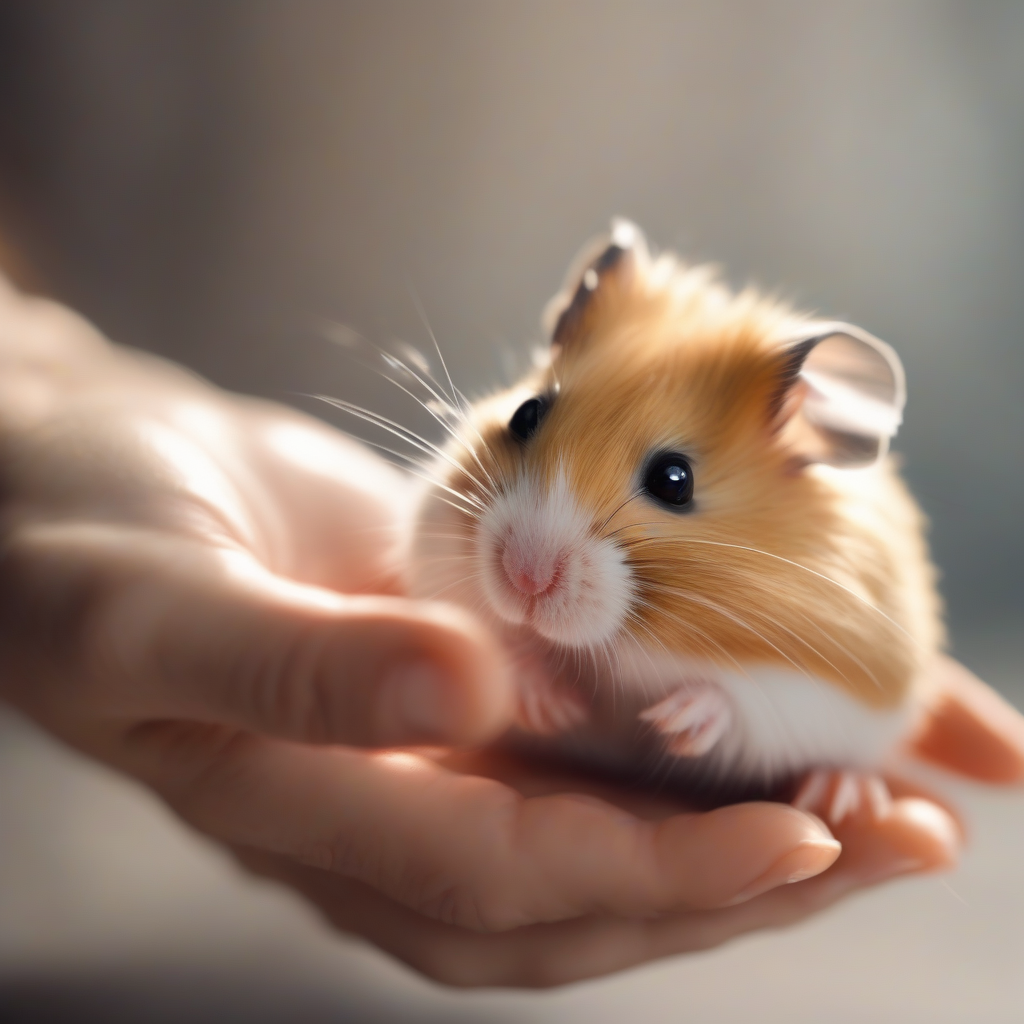
In this article, you will discover the neurocognitive secrets of building a secure and lasting bond with your hamster, the adaptation codes to human contact, and scientific strategies. Learn how the hamster's brain, known as solitary creatures, responds to human interaction and strengthen your friendship with scientific foundations.


In this article, we will deeply explore the insidious neurobiological effects of gut microbiome imbalance (dysbiosis) on your rabbit's brain health and provide scientific-based solutions to maintain mental vitality.

In this article, you can find comprehensive information on how pancreatitis in dogs not only affects the digestive system but also insidiously impacts the brain, its neuroinflammatory mechanisms, and lifesaving emergency intervention strategies.

Discover the 5 insidious effects of overfeeding, one of the most stealthy threats to your fish's health, causing neurometabolic destruction in their brains, and learn scientific feeding strategies to prevent this demise. Uncover the silent danger in your aquarium!
While hamsters, with their tiny size and adorable demeanor, bring joy to our homes, they are inherently independent creatures that generally prefer solitude. When you adopt a hamster, forming a deep and meaningful bond with them is a top desire for many pet lovers. However, the concept of 'socialization' in these small companions' world is often not like that of a dog or a cat. Their brains are equipped with survival instincts based on a predator-prey relationship, tending to perceive every new stimulus as a potential threat.
Human contact can initially be frightening and stressful for a hamster. However, with the right approach, patience, and scientifically-backed strategies, you can activate the 'trust protocols' in these tiny creatures' brains and enable them to form a special bond with you. In this article, we will detail how your hamster adapts to human contact, how the neurocognitive mechanisms in their brain work, and the 5 key codes you need to know to establish a mutually trusting, lasting relationship.
A hamster's world, though seemingly small and simple to us, is filled with complex sensory inputs for them. In their natural habitat, hamsters are easily preyed upon; thus, sudden movements, loud noises, or unexpected scents instantly trigger an alarm response in their brains. This 'fight or flight' response leads to elevated levels of the stress hormone cortisol, and over time, can result in chronic anxiety. Building a secure bond with your hamster means understanding these natural instincts and helping them to recode human contact not as a threat, but as a source of safety and comfort. This is not only for their well-being but also for a more enjoyable and rewarding ownership experience for you.
How does your hamster's brain interpret your interactions and build trust? Here are the fundamental neurocognitive codes of this process:
For hamsters, the sense of smell is one of the most basic ways they perceive the world. Your scent, over time, can be coded by their brains as 'familiar' and 'non-threatening.' Initially foreign, your scent establishes neural connections through regular and positive interactions, becoming a 'safe scent signature.' Therefore, having your hands smell familiar when approaching your hamster reduces their stress levels. Even the scent of soaps or lotions you use can affect this process. The importance of scent cues in training is highlighted in Your Hamster's 'Secret Scent Memory': 5 Insidious Neurocognitive Effects of Scent Cues in Training and Scientific Secrets to Lasting Learning!. Conversely, foreign, sharp odors trigger alarm signals in their brain.
Although hamsters have limited vision, their ability to perceive movements and shapes is quite developed. Especially due to predators' tendency to approach from above, sudden and rapid movements from above create a strong fear response in the hamster's brain. Therefore, making slow and predictable movements when approaching them reduces the perception of threat in their brain. While your facial expressions or general body language may not be directly interpreted by your hamster, they can indirectly help them sense your general energy level and intentions. Just as discussed in Your Bird's Play Bites or Aggressive Signals? 5 Neurobiological Differences in the Brain and Secrets to Building Lasting Trust!, body language and trust-building are essential in interspecies communication.
Appropriate and gentle touches can trigger the release of 'bonding' and 'feel-good' hormones like oxytocin in the hamster's brain. These chemicals help them code touch as a positive experience. However, incorrect or forceful touches increase cortisol release, raising stress and eroding trust. Sudden and rough contacts made before your hamster gets used to you can leave a traumatic impact on their brain. Similar to what's described in Your Bird's 'First Touch Algorithm': 5 Hidden Neurobiological Codes of Post-Adoption Contact and Secrets to Lasting Social Bonding!, the quality of first contact plays a vital role in bonding.
Hamsters are highly sensitive to high-frequency sounds. Sudden, loud, or high-pitched noises can trigger fear and escape responses in their brain. Speaking in a calm, soft, and monotonous tone creates a safe rhythm in their auditory cortex. Over time, they will associate this tone of voice with you and feel more secure. For more information on the insidious neurophysiological effects of high-frequency noise on the hamster brain, you can read Your Hamster's 'Silent Auditory Labyrinth': 5 Insidious Neurophysiological Effects of High-Frequency Noise on the Brain and Scientific Solutions for a Peaceful Living Space!.
Hamsters thrive on routines and predictability. Having daily feeding, watering, and play times in a consistent order creates a 'safe environment' map in their brain. These routines reduce uncertainty and minimize stress. Knowing when they will interact with you or when they will be left alone helps shape their brain's future expectations positively. Just as in the example of Is Your Fish Aquarium's 'Stranger Fear' Crashing? 5 Hidden Neurobiological Keys to Adapting to a New Environment!, a predictable environment accelerates the adaptation process and makes them feel secure.
By understanding these neurocognitive codes, you can apply the following scientific strategies to build a lasting bond with your hamster:
Building a bond with your hamster is a unique process that requires patience, understanding, and scientifically-backed approaches. By deciphering their 'Hidden Trust Protocol,' you can build a rewarding and peaceful friendship for both parties. Remember, for these tiny creatures, trust is not a luxury but a fundamental aspect of survival, and by offering this trust, you can become a true hero in their world. Every small step will strengthen your relationship further. Understanding your hamster's neurocognitive world is key to deepening the bond you share.
