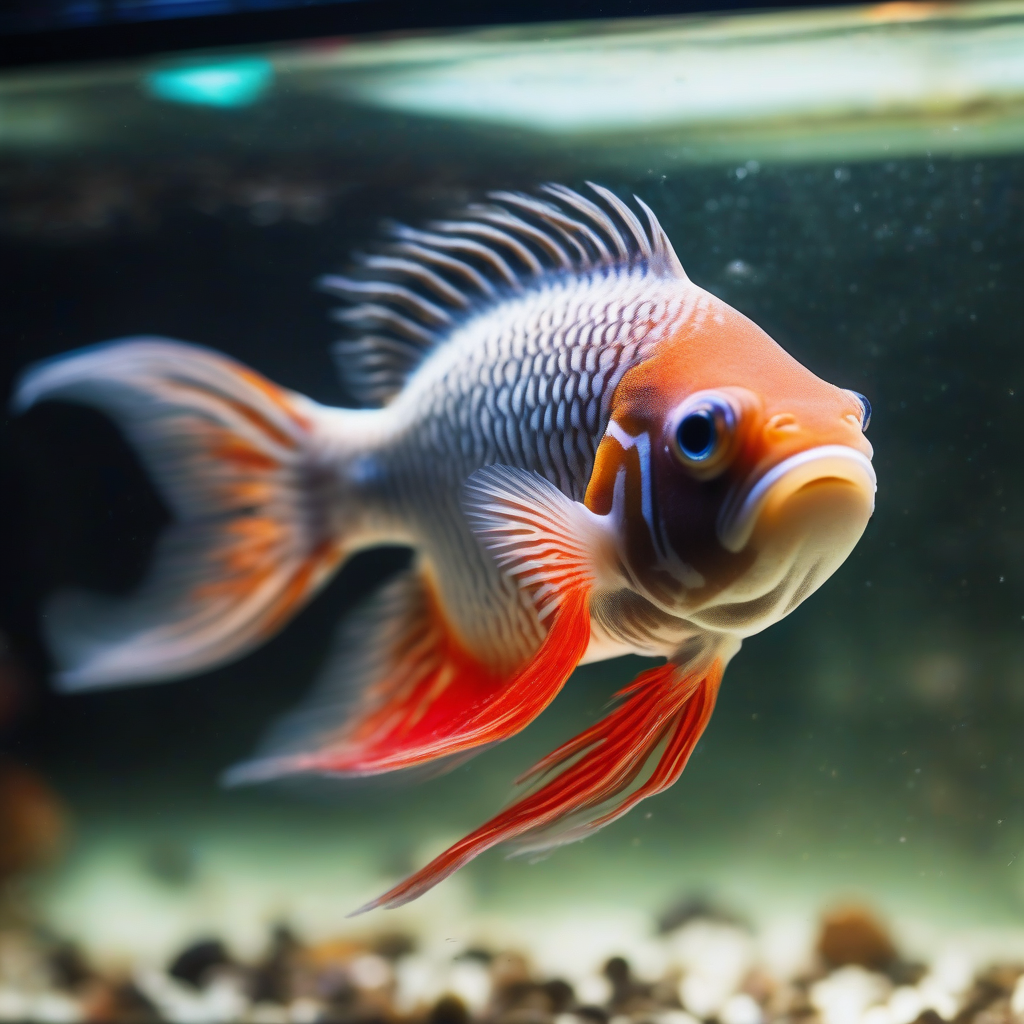
In this article, you will find comprehensive information about the neurotoxic effects of ammonia poisoning on fish brains, its symptoms, and lifesaving emergency intervention codes using scientific methods. Be informed about this insidious threat in your aquarium and protect your pet.

In this article, you will find comprehensive information on the insidious neurotoxic effects of lead poisoning on the bird's brain and lifesaving emergency intervention codes.

While cats possess a surprising ability to adapt to high-rise fall traumas, the insidious neurophysiological effects on their brain carry vital risks. In this article, we reveal 5 critical neurobiological effects your cat may experience after a fall and the lifesaving emergency intervention codes with scientific secrets.

In this article, you will discover how your rabbit copes with unexpected situations and its neurocognitive responses to non-routine events. Learn scientific secrets to enhance mental flexibility and manage stress.
Aquarium fish, with their exotic colors and calming movements, are the silent inhabitants of our homes. However, the aquarium, their living space, can harbor an insidious danger if not properly managed: ammonia poisoning. Ammonia (NH₃/NH₄⁺), secreted through the gills, urine, and feces of fish, can rapidly accumulate when the nitrification cycle isn't functioning correctly, becoming a life-threatening neurotoxin. In this article, we will scientifically examine the 5 insidious neurotoxic effects of ammonia poisoning on the fish brain, the signs of this danger, and lifesaving emergency intervention codes. Issues such as Hidden Water Chemistry in Fish Aquariums: 5 Neurobiological Secrets Beyond Ideal Parameters! in your aquarium are critical for your fish's overall health.
Ammonia directly affects the central nervous system of fish, triggering a series of devastating neurobiological processes. These effects begin long before visible symptoms appear and can lead to irreversible damage.
Ammonia (especially un-ionized ammonia, NH₃) easily crosses the blood-brain barrier to reach brain cells (neurons). In the brain, it activates the enzyme glutamine synthetase, converting glutamate into glutamine. However, excessive glutamine accumulation disrupts normal neurotransmitter balance and causes neuronal hyperexcitability. This continuous overactivity rapidly depletes the neurons' energy stores (ATP), creating an energy crisis that can result in cell death.
Excessive glutamine accumulation also increases the osmotic pressure of brain cells. Cells begin to draw water from their surroundings to balance this osmotic pressure. This leads to swelling in the brain, known as cerebral edema. Cerebral edema increases intracranial pressure, physically pressing on nerve tissues and further impairing neuronal function. This condition can lead to consequences similar to brain damage from physical trauma, as detailed in Your Fish's Hidden Concussion: 5 Insidious Neurobiological Effects of Head Trauma and Lifesaving Emergency Intervention Codes!.
Ammonia also disrupts the function of mitochondria, the cells' powerhouses. It inhibits the mitochondrial respiratory chain, reducing ATP production and causing excessive free radical formation. This condition, known as oxidative stress, damages cellular components (DNA, proteins, lipids), leading to widespread cellular dysfunction and death. This cellular damage also weakens the fish's ability to cope with stress.
Ammonia disrupts the balance of the brain's most important excitatory (glutamate) and inhibitory (GABA) neurotransmitters. Overproduction of glutamine reduces glutamate levels while affecting GABA synthesis. This imbalance impairs the transmission of nerve signals, leading to behavioral abnormalities in fish such as disorientation, tremors, and lack of coordination. Similarly, neurophysiological disturbances can be observed in conditions like Your Fish Aquarium's Hidden 'Electrolyte Balance' Crises: 5 Insidious Neurophysiological Signals and Lifesaving Scientific Solutions!.
Prolonged or severe ammonia exposure leads to changes in gene expression in brain cells. These changes can include the activation of stress response genes and the triggering of apoptotic (programmed cell death) pathways. The initiation of this cellular suicide program results in irreversible neurological damage and permanent health problems.
The symptoms of ammonia poisoning can be subtle and vague at first but rapidly worsen:
Ammonia poisoning is an emergency that requires rapid and correct intervention. The following steps can save your fish's life:
Immediately change 50% to 70% of the aquarium water with clean, dechlorinated water of the same temperature. This will instantly reduce the ammonia concentration in the aquarium. Repeat water changes at intervals of a few hours to keep ammonia levels under control. Avoiding sudden temperature changes is crucial, as this can cause additional shock, such as in Your Fish's 'Silent Thermal Shock' Trap: 5 Neurophysiological Effects of Sudden Temperature Change and Lifesaving Emergency Intervention Codes!.
Ammonia detoxifier products available on the market react with free ammonia (NH₃) to convert it into less toxic ammonium (NH₄⁺) or bind it. These products provide effective first aid when used in conjunction with water changes. Apply the dosage according to the instructions.
Fish suffering from ammonia poisoning experience respiratory distress and require more oxygen. Increase surface agitation and oxygen levels in the water by adding an air stone or an additional air pump to the aquarium. High oxygen increases the fish's resistance to stress and supports the recovery process.
The pH value of the water directly affects ammonia toxicity. At low pH, ammonia exists predominantly in the less toxic ammonium (NH₄⁺) form, while at high pH, the proportion of more toxic ammonia (NH₃) increases. Therefore, it may be beneficial to slowly adjust the pH to around 7.0, taking care not to change it suddenly, as abrupt pH shifts can also be stressful for fish. Carefully monitor and stabilize the pH balance.
If the situation is critical or your fish's condition does not improve despite the above interventions, consult a veterinarian specialized in aquatic animals immediately. Professional help is vital for accurate diagnosis and specialized treatment methods (e.g., medication or advanced supportive care).
The best way to prevent ammonia poisoning is to regularly check the aquarium's water quality and maintain a healthy nitrification cycle:
Being vigilant against your fish's 'silent ammonia shock' is key to ensuring they live a healthy and long life. Scientific knowledge and rapid intervention directly impact the quality of life of our tiny friends.
