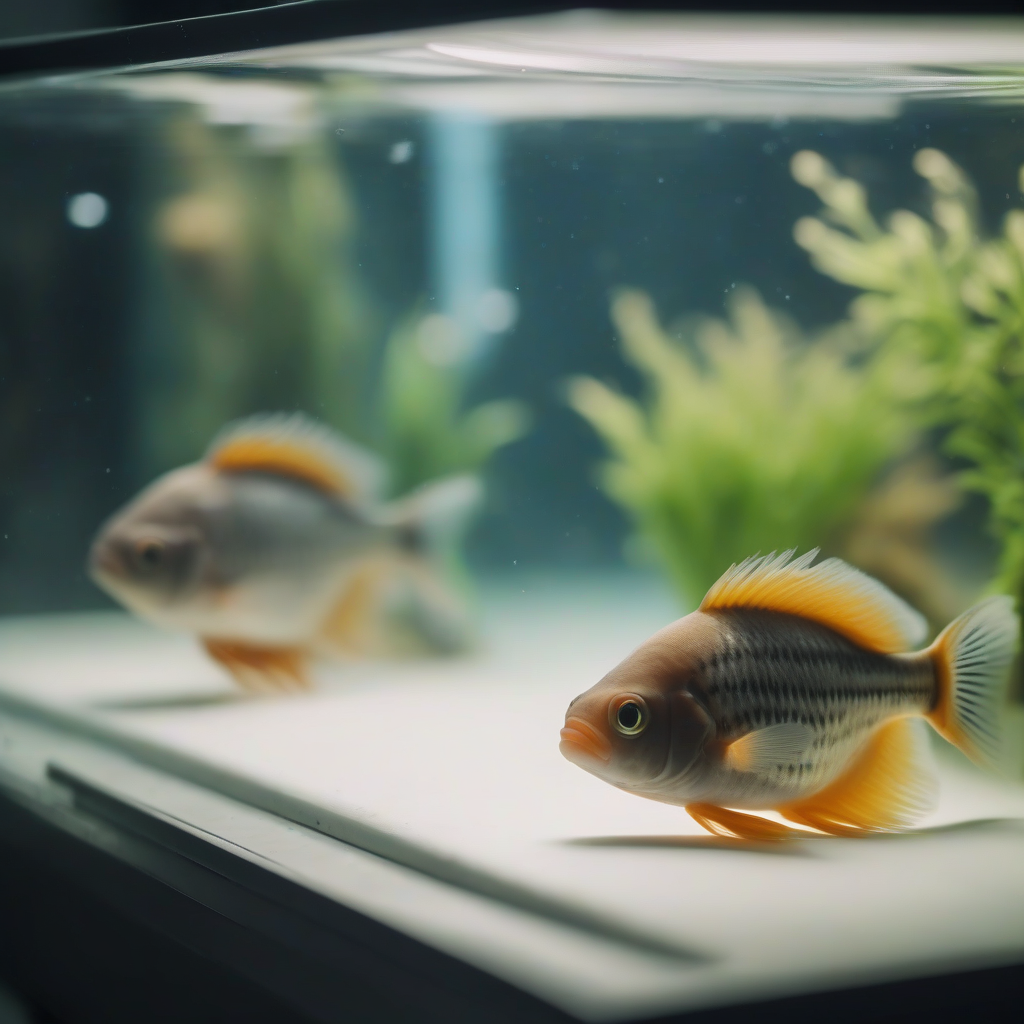
In this article, you will find comprehensive information on the hidden stress newly adopted fish experience during quarantine, its neurobiological effects on the brain, and scientific adaptation strategies for harmonious living with other aquarium inhabitants.


Discover the types of burns your dog can suffer, the 5 insidious neurophysiological effects these burns create in the brain and body, and lifesaving emergency intervention strategies in this comprehensive guide. We shed light on the dangers behind forgotten household accidents from a scientific perspective.

Discover the neurobiological signals of hidden stress your newly adopted cat experiences during adaptation to a new social environment. This article reveals 5 insidious signs of your cat's silent struggle and scientific strategies for peaceful, long-term harmony.

Your dog's anal sacs, located beneath the tail, can be hidden alarm bells often overlooked but profoundly affecting their quality of life. In this article, you will discover the 5 insidious neurobiological effects of anal sac problems on the brain and the lifesaving care secrets you need to know for your furry friend to live a peaceful life.
Adding a new fish to your aquarium is an exciting process, but it can also be an intense source of stress for this new guest. Most aquarium hobbyists understand the importance of a quarantine tank to prevent newly acquired fish from potentially introducing diseases to the existing population. However, the quarantine process itself harbors "invisible" neurobiological stress factors that can lead to long-term negative effects on the fish's brain and behavior. This stress can profoundly impact not only physical health but also future socialization abilities and overall quality of life. As of June 2026, the latest scientific findings in fish neurobiology open new doors for us to understand and manage these insidious threats.
In this article, we will delve into 5 insidious neurobiological threats of the quarantine process on your fish's brain health and how to scientifically mitigate these threats. Our goal is to ensure your newly adopted fish have a start that is not only disease-free but also mentally and neurocognitively healthy.
A fish entering a new quarantine tank is subjected to a completely different sensory bombardment from its familiar environment. Lighting intensity, water currents, tank shape, and even sounds and movements from outside the tank can overload the fish's visual, lateral line, and auditory systems. This sensory overload activates stress-related brain regions like the amygdala, increasing cortisol secretion. If chronic, this condition can lead to neurodegenerative effects on learning and memory areas such as the hippocampus and telencephalon.
It is crucial to place the quarantine tank in a quiet corner away from the main aquarium, isolating it from unnecessary noise and visual stimuli. Care should be taken to ensure the ambient lighting is soft and natural. Overly bright or sudden changes in light can strain the fish's photoreceptors and raise stress levels. For the lateral line organ, ensure the water current is gentle and balanced. For more in-depth information, you can refer to our article, The Hidden Resonance in Your Fish Aquarium: 5 Neurobiological Effects of Aquarium Signals and Scientific Secrets to Peace!.
For fish that naturally possess a certain social structure in the wild or in a main aquarium, isolation in a quarantine tank can create a deep sense of social deprivation. Especially for schooling fish or species that live in a hierarchical order, lack of social interaction can lead to a decrease in neurotransmitter levels like serotonin and dopamine in the brain. This neurochemical imbalance can cause the fish to exhibit depressive or anxious behaviors, loss of appetite, and a weakened immune system.
If you are adopting a social fish species, it is advisable to start the quarantine process with an appropriate number of individuals of its own kind (without exceeding tank capacity) if possible, to reduce stress. Placing a mirror in the quarantine tank can provide some social stimulation by allowing the fish to interact with its own reflection, but this is a temporary solution and does not replace genuine social interaction in the long run. To learn more about your fish's social intelligence and the secrets of harmony in the aquarium, you can read our article, The Silent World of Fish in Aquariums: The Hidden Dance of Social Intelligence and Neurobiological Secrets of Harmony.
A quarantine tank is typically smaller than the main aquarium, which can lead to faster and more dramatic changes in water parameters. Even the smallest fluctuations in pH, ammonia, nitrite, and nitrate levels are perceived by the fish's chemosensors, triggering a stress response in the brain. The brain regions controlling osmoregulation and homeostasis are constantly overloaded trying to cope with these fluctuations. Chronic exposure can lead to neuronal dysfunction and cognitive decline.
Regular and frequent water testing in the quarantine tank is vital. Water changes should be done in small portions and at frequent intervals, supplemented with conditioned water from the main aquarium. Time should be allowed for biological filtration to establish properly, and probiotic supplements for the new fish should be considered if necessary. For more information on this topic, you can read our article, Hidden Water Chemistry in Fish Aquariums: 5 Neurobiological Secrets Beyond Ideal Parameters!.
Newly adopted fish may be accustomed to a different feeding regimen and food type in their previous environment. A sudden change in diet or loss of appetite during quarantine can disrupt the fish's neurometabolic balance. Inadequate or monotonous feeding leads to a lack of essential fatty acids, vitamins, and minerals vital for the brain. This can affect the energy production of brain cells, slowing cognitive functions and reducing stress tolerance.
During quarantine, it's important to learn about the fish's previous feeding habits and, if possible, use similar foods during a transition period. Gradually introduce new foods and ensure variety. Live or frozen foods can stimulate the fish's appetite and reduce feeding stress. A balanced diet supports the healthy functioning of the gut-brain axis, preserving the fish's overall neurobiological health.
When the fish is finally transferred to the main aquarium after quarantine, it must adapt not only to a new environment but also to an existing social hierarchy established by the current inhabitants. This "stranger fear" and search for status can cause significant anxiety in the fish. The brain's fear and avoidance centers become overactive, leading to prolonged stress and behavioral problems. Aggressive reactions from existing fish or the new fish remaining passive can result in traumatic integration.
Before transferring to the main aquarium, mixing the new fish's quarantine tank water with main aquarium water for a period can facilitate scent adaptation. For initial integration, dimming the lights in the main aquarium and providing plenty of hiding spaces for the fish will reduce stress. Additionally, altering the feeding routine of existing fish or making a minor layout change before introducing the new fish can distract them and make their initial encounters with the newcomer less aggressive. Understanding the existing fish's social hierarchy and grouping suitable species is critical for successful integration. For more information on this topic, refer to our articles Is Your Fish Aquarium's 'Stranger Fear' Crashing? 5 Hidden Neurobiological Keys to Adapting to a New Environment! and Your Fish's 'Secret Security Algorithm' in the Aquarium: 5 Insidious Neurobiological Effects of Insufficient Hiding Spaces and Secrets to Peace.
The quarantine process for your newly adopted fish is a critical period not only for disease control but also for laying the foundation for their neurobiological health. By reducing sensory overload, balancing social deprivation, stabilizing water chemistry, preventing dietary shock, and managing integration anxiety, you can protect your fish's brain health and offer them a peaceful, long-lived existence. Remember that every fish in the aquarium is a sensitive creature with complex neurocognitive processes, and their well-being is directly related to our scientific understanding and careful approaches.
