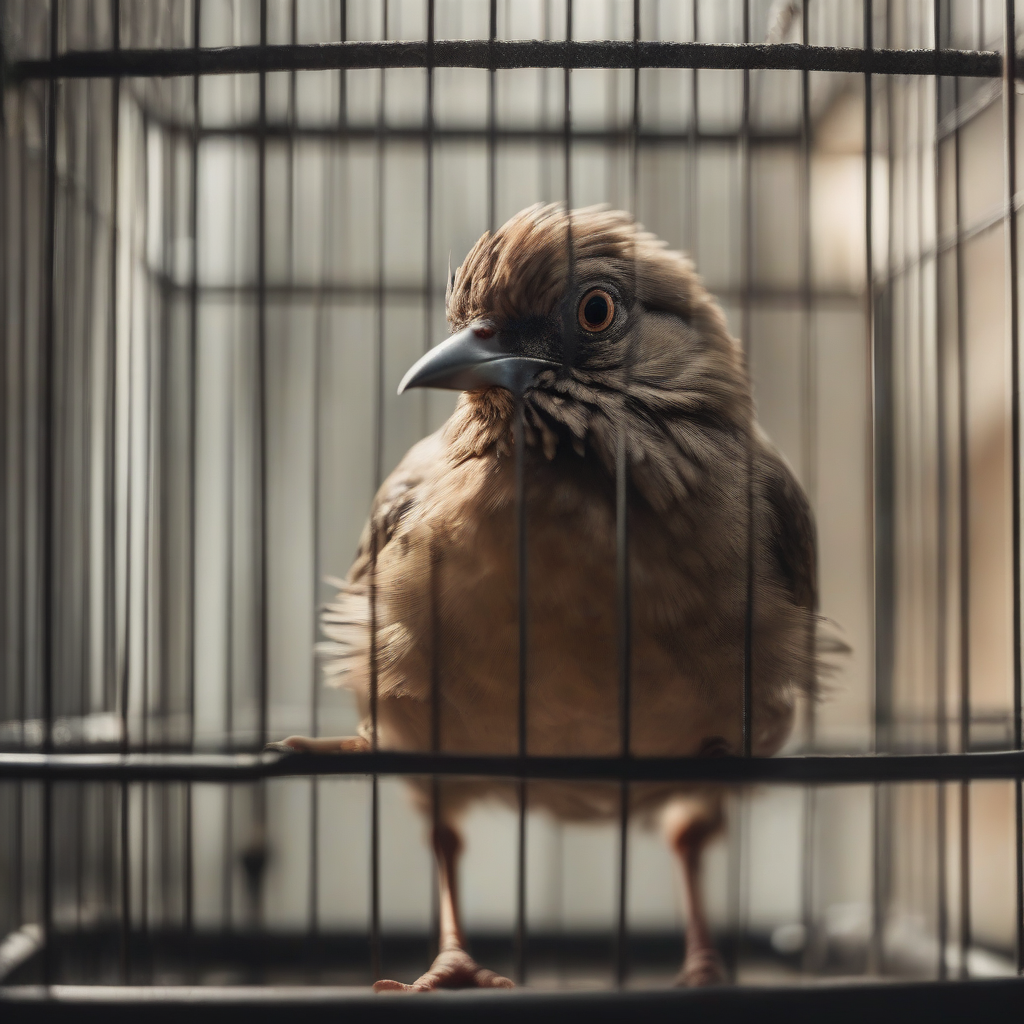
Aspergillosis, a common yet often overlooked fungal infection in birds, can deeply affect not only the respiratory system but also brain health. In this article, you will discover the 5 neurobiological effects of this insidious fungal infection on your bird's brain and lifesaving scientific solution strategies.

As bird owners, our pets' health is always our priority. However, sometimes the most insidious enemies progress slowly, hiding their symptoms, leading to serious health problems. Aspergillosis, a common yet often misunderstood or overlooked fungal infection in birds, is one such foe. While typically targeting the respiratory system, in advanced cases or in birds with weakened immune systems, this fungus can also affect the brain, leading to permanent neurobiological damage.
Today, as of August 2026, in light of the latest scientific data, we will delve into the 5 insidious neurobiological effects this hidden danger creates in your bird's brain and explore lifesaving scientific solution strategies. Our goal is to guide you, as informed bird owners, to recognize early signs and take proactive measures.
Aspergillosis is a respiratory disease caused by Aspergillus species of fungi. It is typically contracted through the inhalation of airborne spores from environmental factors such as moldy feed, stale water, dirty cage environments, or inadequate ventilation. While a healthy bird's immune system can often cope with these spores, stress, poor nutrition, co-existing diseases, or poor living conditions can weaken the immune system, allowing the infection to take hold. The infection usually starts in the air sacs and lungs, but when it progresses, it can become systemic, spreading via the bloodstream to other organs, especially the brain.
Many factors influence a bird's overall health. For instance, conditions like the neurophysiological effects of chronic dehydration on the brain or the neurometabolic effects of obesity can decrease a bird's general resistance, making them more vulnerable to infections like aspergillosis.
When the Aspergillus fungus reaches the brain, it can trigger an overreactive immune response. This results in inflammation (encephalopathy) within the brain tissue. Inflammation leads to swelling, damage, and loss of function in nerve cells, manifesting as clinical signs such as loss of coordination, balance issues, and behavioral changes. The bird might exhibit lethargy, disorientation, or unusual movements like constant head bobbing.
Fungal hyphae (thread-like structures) can invade the walls of blood vessels and lead to vascular blockages (thrombosis). These blockages restrict blood flow to the brain, causing oxygen and nutrient deprivation (ischemia) in specific brain regions. Similar to strokes in humans, this can lead to sudden paralysis, blindness, or severe neurological function loss in birds, depending on the affected brain area. For similar problems in the respiratory system, you can also check out the neurophysiological effects of air sac mites on the brain.
Systemic inflammation and mycotoxins produced by the fungus can disrupt the balance of neurotransmitters (chemicals that facilitate communication between nerve cells) in the brain. Changes in the production or reuptake of crucial neurotransmitters like serotonin, dopamine, and norepinephrine can lead to significant alterations in the bird's mood, motivation, and overall behavior. This can manifest as depressive states, anxiety, irritability, or a decrease in learning ability.
Chronic infection increases levels of oxidative stress in the body. Oxidative stress means that free radicals damage cells, especially delicate nerve cells. This can lead to neuronal degeneration, causing permanent brain damage and a decline in cognitive functions. The bird's memory, problem-solving abilities, or motor skills can be adversely affected, significantly reducing its quality of life.
When a fungal infection spreads to the brain, it can affect the central nervous system, as well as peripheral nerves in other parts of the body. This can occur through the bloodstream or direct invasion. Peripheral nerve damage can cause weakness, tremors, paralysis, or muscle coordination problems in the bird's legs or wings. This, in turn, leads to difficulties in perching, walking, or flying.
Since the neurobiological effects of aspergillosis often appear in advanced stages, early diagnosis is crucial. If you notice any of the following symptoms in your bird, you should consult a veterinarian without delay:
Diagnosis: A veterinarian can diagnose through physical examination, blood tests, imaging (X-rays, endoscopy, CT scans), and fungal cultures or serological tests.
Treatment: Treatment typically involves long-term antifungal medications and supportive care. Diet and environmental conditions should also be adjusted to support the bird's overall health. Paying attention to topics like [the neurometabolic effects of seed-based diets](/en/wiki/bird-hidden-hunger- синдроm-seed-diet-neurometabolic-effects-solutions) is critical for strengthening the immune system.
Prevention: The best way to prevent aspergillosis is to provide a hygienic and healthy living environment for your bird:
Remember, the 'hidden fungal whispers' in your bird's brain can progress unnoticed for a long time. Being vigilant for early signs and scheduling regular check-ups with your veterinarian are the most important steps you can take to ensure your feathered friend lives a long and healthy life.

Discover the types of burns your dog can suffer, the 5 insidious neurophysiological effects these burns create in the brain and body, and lifesaving emergency intervention strategies in this comprehensive guide. We shed light on the dangers behind forgotten household accidents from a scientific perspective.

Discover the neurobiological signals of hidden stress your newly adopted cat experiences during adaptation to a new social environment. This article reveals 5 insidious signs of your cat's silent struggle and scientific strategies for peaceful, long-term harmony.

Your dog's anal sacs, located beneath the tail, can be hidden alarm bells often overlooked but profoundly affecting their quality of life. In this article, you will discover the 5 insidious neurobiological effects of anal sac problems on the brain and the lifesaving care secrets you need to know for your furry friend to live a peaceful life.
