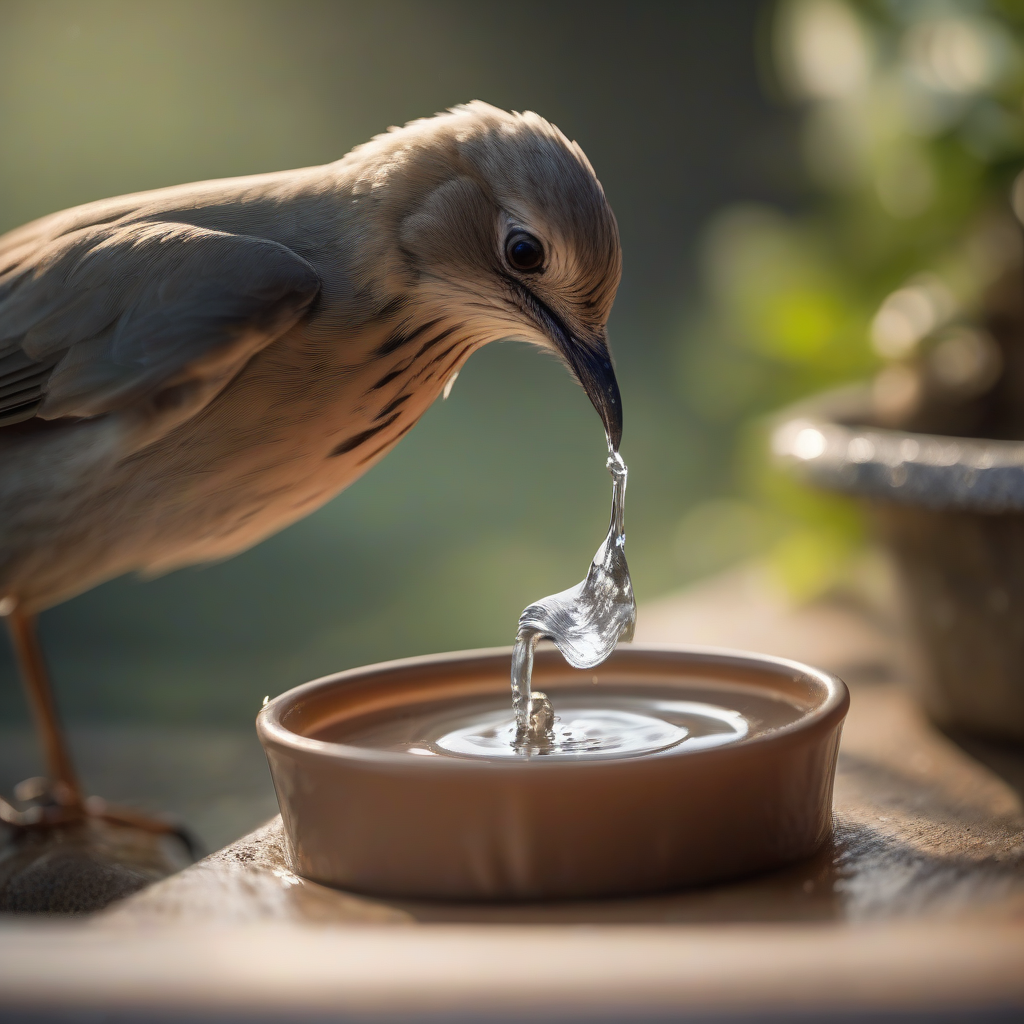
In this article, you will find comprehensive information on the insidious neurophysiological effects of chronic dehydration on birds' brains and scientific hydration strategies to prevent this dangerous condition.


In this article, you will discover how fish make foraging decisions under predator threat, the neurocognitive secrets behind this process, and aquarium design tips to reduce stress in their environment.

In this article, you will find a comprehensive examination of the profound neurobiological effects of stereotypical behaviors (feather plucking, excessive cage chewing, persistent pacing, etc.) in birds and scientific strategies to escape this 'silent swamp of repetition'.

In this article, you will discover the insidious neurobiological effects of processed foods on your hamster's gut microbiome and brain health, along with scientific nutrition solutions for optimal mental vitality.
Birds, due to their delicate physiology and high metabolic rates, are extremely sensitive to water loss. However, because they instinctively tend to hide their weaknesses, insidious health problems like chronic dehydration can often go unnoticed, progressing silently. This "hidden dehydration shadow" can lead to profound and devastating neurophysiological effects on your bird's brain health. As of July 2026, the latest research in veterinary science highlights just how critical adequate hydration is, not only for basic bodily functions but also for cognitive abilities and overall quality of life.
Birds have rapid metabolisms that quickly consume energy, leading to a greater need for water. Even losing a small percentage of their body weight can result in severe consequences of dehydration. Additionally, birds instinctively conceal signs of illness or discomfort to avoid appearing vulnerable to predators. This behavior allows owners to miss early signs of dehydration, leading to a chronic condition. When combined with other neurometabolic effects such as obesity, the burden of dehydration on the body increases significantly.
Chronic dehydration leads to a series of complex and destructive neurophysiological changes in the brain:
Dehydration disrupts the body's water and electrolyte balance. When the volume of extracellular fluid decreases, the body attempts to draw water from inside cells. This can cause brain cells to swell (cerebral edema) and lead to a dangerous increase in intracranial pressure within the skull. Increased pressure can damage brain tissue, resulting in neurological dysfunction.
Neurotransmitters (like dopamine, serotonin, norepinephrine, etc.), which are chemical messengers in the brain, are critical for normal brain function. Dehydration can adversely affect the synthesis, release, and reuptake of these neurotransmitters. For example, a drop in serotonin levels can lead to apathy, anxiety, or depression-like behaviors, while dopamine imbalance can cause issues with motor coordination and motivation. This directly impacts your bird's ability to learn and motivation in training.
Chronic dehydration results in a reduction in blood volume. This, in turn, prevents the brain from receiving adequate blood flow and, consequently, sufficient oxygen and nutrients. The brain is extremely sensitive to oxygen deprivation, and prolonged hypoxia (lack of oxygen) can lead to a decline in cognitive functions, memory problems, and even cell death. This severely impairs your bird's ability to perceive and react to its environment.
Dehydration causes osmotic stress on brain cells. Abnormal movements of water across cell membranes disrupt normal cellular function and potentially compromise cell membrane integrity. In the long term, this can lead to neuronal damage and neurodegeneration, which may increase the risk of cognitive dysfunction with age. Vitamin A deficiency, for instance, can further exacerbate this cellular stress.
Water plays a vital role in regulating birds' body temperature (thermoregulation). Dehydration severely impairs the ability of birds, which do not have sweat glands, to regulate their body temperature. This makes the bird more susceptible to overheating (hyperthermia) or, if the environment is cold, hypothermia. The brain is highly vulnerable to extreme temperature changes, and thermoregulation disorders can lead to permanent brain damage or even death. This risk is particularly high during summer months or in hot climates.
Taking proactive measures is crucial to protect your bird from this hidden danger:
Your bird's 'Hidden Dehydration Shadow' is an easily overlooked yet serious threat. Adequate hydration is a fundamental need for your bird's physical health, as well as its mental vitality and quality of life. Regular veterinary check-ups, careful observation, and the implementation of the scientific strategies above will help ensure your beloved feathered friend lives a long, healthy, and happy life. Remember, always consult an expert veterinarian in case of any doubt.
