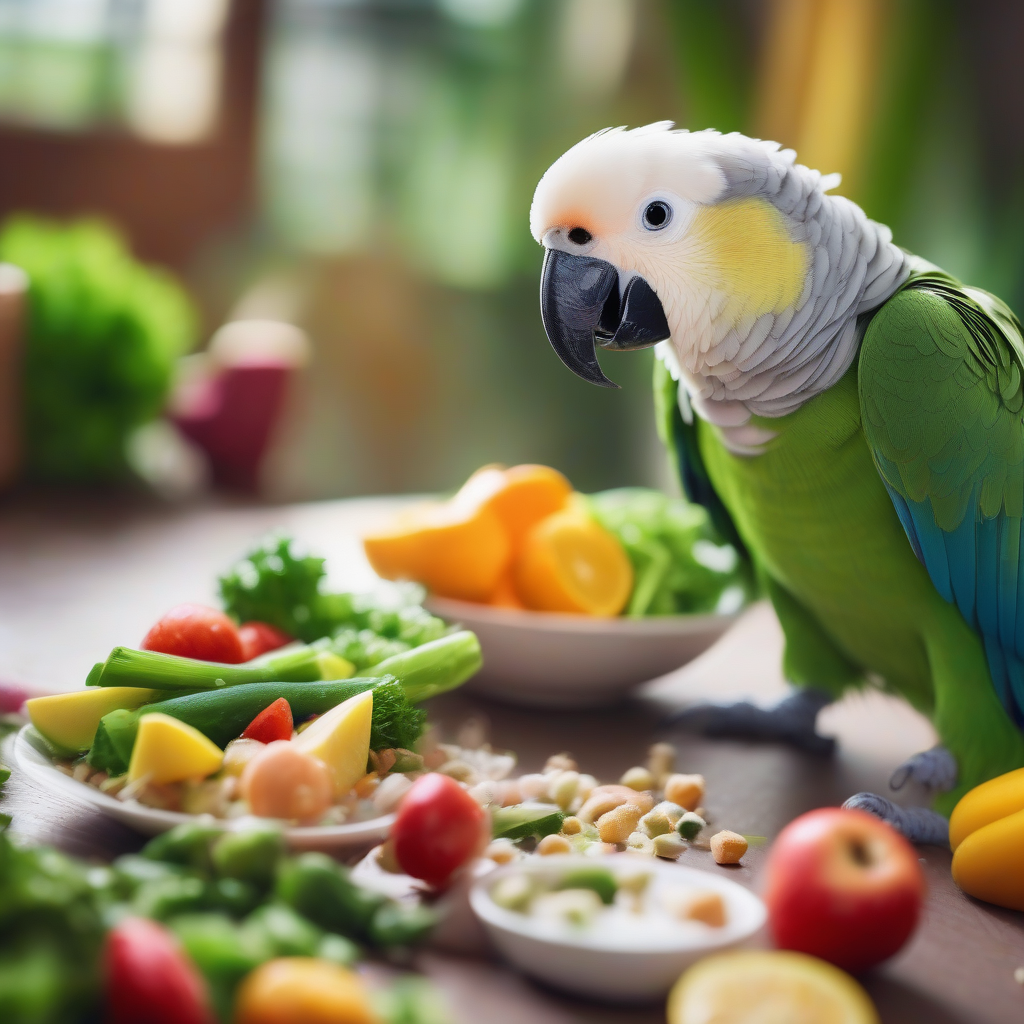
In this article, you will find comprehensive information on the neurometabolic effects of 'hidden hunger syndrome' caused by seed-based diets, commonly seen in pet birds, and scientific nutritional strategies to enhance their quality of life. Don't miss this vital information to protect your bird's mental and physical health.


Adequate water intake is fundamental for your cat's overall health and especially brain function. This article deeply explores the insidious neurobiological effects of chronic dehydration on your cat's brain and offers lifesaving scientific hydration strategies.
In this article, you will find comprehensive information on the insidious neurotoxic effects of lead poisoning on the bird's brain and lifesaving emergency intervention codes.

While cats possess a surprising ability to adapt to high-rise fall traumas, the insidious neurophysiological effects on their brain carry vital risks. In this article, we reveal 5 critical neurobiological effects your cat may experience after a fall and the lifesaving emergency intervention codes with scientific secrets.
One of the most common mistakes among pet bird owners is feeding their birds solely with seeds. Many owners believe their birds are well-fed when they see them eagerly eating seeds. However, seed-based diets lay the groundwork for a serious condition known as 'Hidden Hunger Syndrome' in birds. This syndrome slowly and insidiously undermines your bird's health due to a chronic deficiency of essential micronutrients. It can lead to devastating effects, particularly on brain function and neurometabolic processes. As of July 2026, the latest veterinary science data highlights the extent of this hidden danger. So, how does a seed-based diet affect your bird's brain, and what can you do to break this insidious cycle?
Hidden hunger syndrome is a condition where an animal meets its caloric needs but suffers from a lack of essential vitamins, minerals, and other micronutrients. Seeds, despite their high fat and carbohydrate content, are deficient in many critical nutrients such as vitamin A, vitamin D, calcium, and essential amino acids. Over time, this leads to organ dysfunction, weakened immune systems, and, most importantly, neurological problems in birds. The brain is one of the body's most energy-consuming organs and requires a continuous and balanced supply of nutrients for optimal function. Inadequate nutrition can profoundly affect brain structure and function.
Seeds, especially sunflower and safflower seeds, are poor in vitamin A. Vitamin A is crucial for birds' immune system, eye health, and most importantly, the integrity of epithelial tissues (including mucous membranes). Brain and nervous system tissues also contain epithelial cells. Chronic vitamin A deficiency can lead to degeneration in neural tissues, which may manifest as learning difficulties, coordination problems, and even seizure-like symptoms. Ensuring your bird receives adequate vitamin A is vital for brain health.
Seed-based diets are typically low in calcium and high in phosphorus. This disrupts the calcium-phosphorus ratio and inhibits calcium absorption in the bird's body. Vitamin D (especially D3) is essential for calcium metabolism, and its deficiency further exacerbates poor calcium absorption. Calcium is a critical mineral for nerve transmission and muscle function. Its deficiency can lead to muscle spasms, seizures, and behavioral changes controlled by the brain. Furthermore, it can cause overactivity of the parathyroid glands (secondary nutritional hyperparathyroidism), leading to weakened bones and neurological symptoms. Your bird's hydration status is also closely linked to the balance of these minerals, as electrolyte balance is essential for overall metabolic health. For more information, you can read our article: Your Bird's Secret 'Dehydration Neural Network': 5 Shocking Neurobiological Effects of Insufficient Hydration on the Brain-Gut Axis!.
Seeds are often rich in omega-6 fatty acids but deficient in omega-3 fatty acids. A balanced ratio of omega-3 and omega-6 fatty acids is required for optimal brain function and overall health. Omega-3 fatty acids, especially DHA, are a crucial component of brain structure and support the flexibility and functionality of neuronal membranes. This imbalance can lead to chronic inflammation in the brain, which may result in cognitive decline, learning difficulties, and behavioral problems. Our article The 'Secret Aroma Map' in Your Bird's Brain: Neurochemical Secrets of Nutritional Choices and Balancing Health Through Flavor Stimulation! can help you understand the neurochemical processes in birds' food choices.
Some seeds may be deficient in specific amino acids essential for birds. Amino acids are the building blocks of proteins and are necessary for the synthesis of neurotransmitters (chemical messengers in the brain). For example, tryptophan is critical for serotonin production, while tyrosine is crucial for dopamine and norepinephrine production. Deficiencies in these amino acids can lead to severe disruptions in brain functions such as mood regulation, stress responses, motivation, and learning. This can manifest as anxiety, depression-like behaviors, and aggressive tendencies in birds.
Seed-based diets typically lack the rich antioxidants found in fresh fruits and vegetables. Antioxidants combat free radicals that damage cells, reducing oxidative stress. The brain, due to its high metabolic activity, is particularly susceptible to oxidative damage. Antioxidant deficiency can lead to brain cell damage, accelerating premature cognitive aging and triggering neurodegenerative processes. As mentioned in the article Hamster Food Bowl's Hidden 'Free Radical Traps': 5 Insidious Neurochemical Dead Ends on the Road to Obesity!, the damage caused by free radicals operates through similar mechanisms across many species.
To protect your bird from 'Hidden Hunger Syndrome' and optimize its brain health, adopting a comprehensive nutritional approach is essential. Here are some science-based solutions:
It is essential that your bird is not just fed, but truly nourished, to lead a healthy and long life. Take hidden hunger syndrome seriously and protect your bird's brain and all body systems by providing a science-based, balanced diet. This proactive approach is the best investment you can make for your bird's happiness and well-being.
