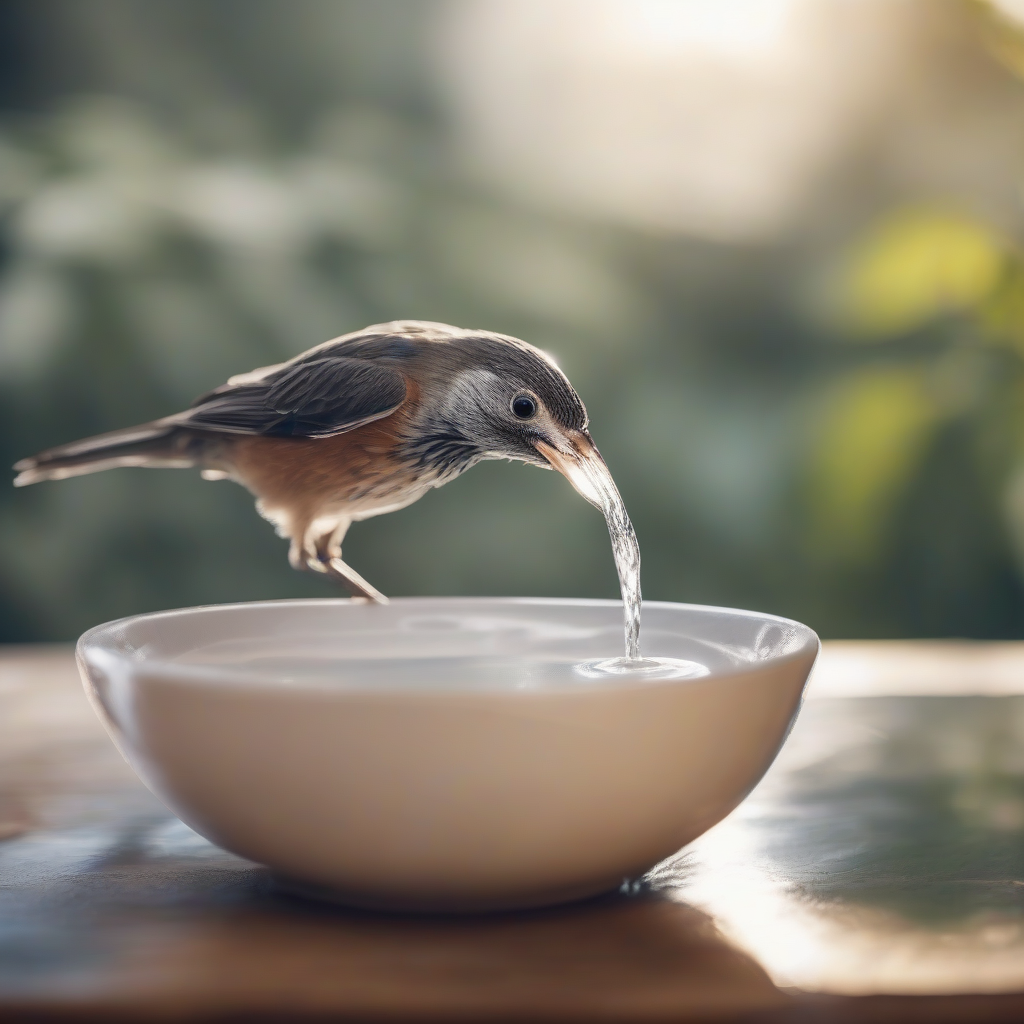
In this article, you will explore the profound neurobiological effects of water quality and quantity on your bird's digestive system, brain functions, and overall behavior. Discover the hidden risks of insufficient hydration and learn optimal hydration strategies to ensure your companion's well-being.


While cats possess a surprising ability to adapt to high-rise fall traumas, the insidious neurophysiological effects on their brain carry vital risks. In this article, we reveal 5 critical neurobiological effects your cat may experience after a fall and the lifesaving emergency intervention codes with scientific secrets.

In this article, you will discover how your rabbit copes with unexpected situations and its neurocognitive responses to non-routine events. Learn scientific secrets to enhance mental flexibility and manage stress.

In this article, you will find comprehensive information on the insidious neurophysiological effects of seizures in cats' brains and lifesaving emergency intervention codes during a seizure.
When we think about our pet birds' nutrition, seeds, pellets, and fresh fruits and vegetables usually come to mind. However, there's a vital, often overlooked, part of this important picture: water. More than just a source of life, water is a fundamental building block of your bird's neurobiological health, digestive system, and overall well-being. Insufficient hydration or poor-quality water consumption can silently lead to devastating effects on your bird's body and mind. In this article, we will unravel your bird's hidden "dehydration neural network," examine the 5 shocking neurobiological effects of insufficient hydration on the brain-gut axis, and learn how to eliminate these risks to ensure optimal health for your feathered friend with scientific data.
The avian brain requires consistent and balanced hydration for optimal functionality. Even the slightest drop in body water levels can impact the electrical activity of brain cells. Dehydration slows down signal transmission between neurons, leading to a noticeable decline in cognitive functions. If you notice your bird struggling to learn new commands, becoming disinterested in its surroundings, or less active than before, a neurochemical dehydration alarm might be behind it. Electrolyte imbalances can disrupt neurotransmitter synthesis (e.g., dopamine and serotonin), negatively affecting your bird's focus, memory, and even mood. This cognitive "brain fog" can severely hinder your bird's mental stimulation and learning capacity. In our article, Your Bird's 'Secret Attention Filter': 5 Neurocognitive Clues Triggering Rapid Learning in Training and Optimal Focus Strategies!, we delved deeper into the importance of cognitive functions.
Adequate water is critical for the digestive system. Water aids in nutrient absorption and the elimination of waste products from the body. However, insufficient hydration can slow down bowel motility, leading to constipation and digestive problems. More importantly, dehydration can disturb the balance of the gut microbiota. The gut microbiota is a complex ecosystem that plays a crucial role in the production of many neurotransmitters like serotonin and GABA. Disruption of this balance leads to an increase in inflammatory signals along the gut-brain axis and elevated oxidative stress. This condition not only causes digestive issues but can also result in anxiety, depression-like behaviors, and overall unhappiness. Our article, Your Bird's Secret 'Nutrition Labyrinth': Toxin Traps and 5 Neurochemical Secrets to Fortify Digestive Immunity highlighted the importance of digestive health.
Birds produce a solid waste product called uric acid. Sufficient water is needed for the efficient excretion of this substance from the body. Insufficient hydration can lead to uric acid accumulation and crystallization in the kidneys, potentially causing serious health problems such as gout and kidney failure. Since the kidneys are responsible for filtering blood and eliminating toxins, any impairment in their function can lead to the buildup of toxins in the body, especially in the brain. This toxin accumulation can damage neurons, resulting in permanent neurological harm and behavioral abnormalities. The article, Your Bird's Hidden 'Kidney Filter' Danger: 5 Insidious Neurobiological Effects of Uric Acid Accumulation and Lifesaving Scientific Solutions!, examines the critical role of kidney health in more detail.
Water plays a central role in maintaining electrolyte balance in the bird's body. Electrolytes such as sodium, potassium, and calcium are vital for muscle contraction, nerve transmission, and general cell functions. Dehydration can disrupt the balance of these electrolytes, leading to muscle weakness, tremors, lack of coordination, and even seizures. This condition can affect your bird's ability to fly, perch, or even reach food and water. Impairment of electrical signals at the neuromuscular junction also weakens your bird's ability to perceive and react to its environment, potentially leading to easier injuries or falls.
Dehydration is a significant stress factor for birds. When the body perceives dehydration, cortisol (a stress hormone) levels rise. Chronically high cortisol levels can cause structural and functional changes in brain regions involved in emotion and memory processing, such as the amygdala and hippocampus. This can lead to chronic anxiety, timidity, aggressive behaviors, or excessive feather plucking in your bird. Furthermore, a stressed bird may refuse to eat or drink, creating a vicious cycle that exacerbates the situation. Optimal hydration helps regulate your bird's stress response and promotes a calmer, more balanced mood. Our article, Your Bird's 'Secret Hunter Brain': 5 Neurocognitive Keys in the Feeding Routine and Secrets to Mental Stimulation!, emphasizes the impact of mental stimulation on behavior.
To unravel your bird's "dehydration neural network" and protect it from the risks mentioned above, taking proactive steps is crucial:
For your bird's health and well-being, water is not just a drink; it is a vital element that ensures the harmonious functioning of complex neurobiological systems. It is crucial to remember that insufficient hydration has profound effects across a wide spectrum, from cognitive functions to digestive health, kidney functions to behavioral balance. Paying attention to your bird's water needs is one of the most important steps you can take to ensure it lives a long, healthy, and happy life. By protecting it from the hidden threats of the "dehydration neural network," you can enable it to reach its true potential.
