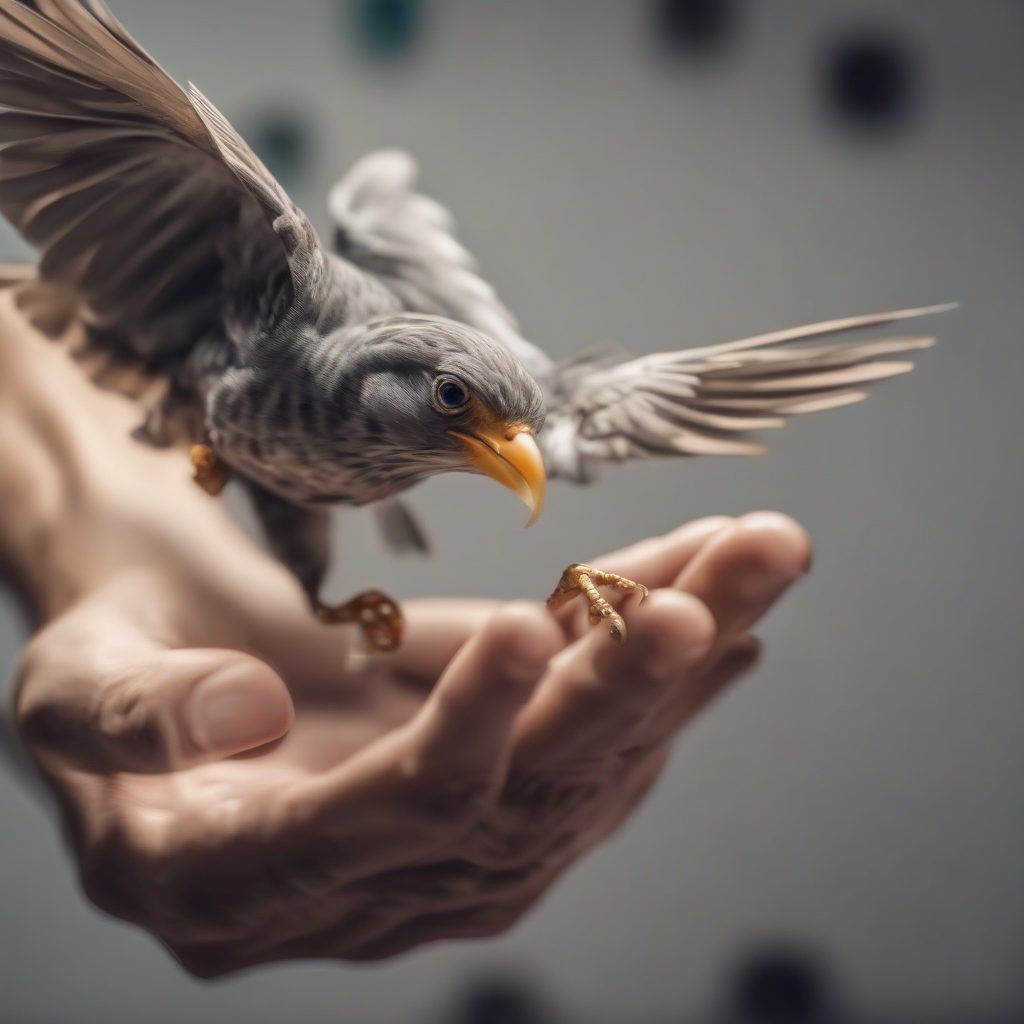
In this article, you will discover 5 neurocognitive clues that will scientifically accelerate your bird's training process, teach you how to utilize its 'secret attention filter,' and maximize its focus. Build a more effective bond with your pet birds and unlock their learning potential with current approaches from veterinarians and behavioral scientists.

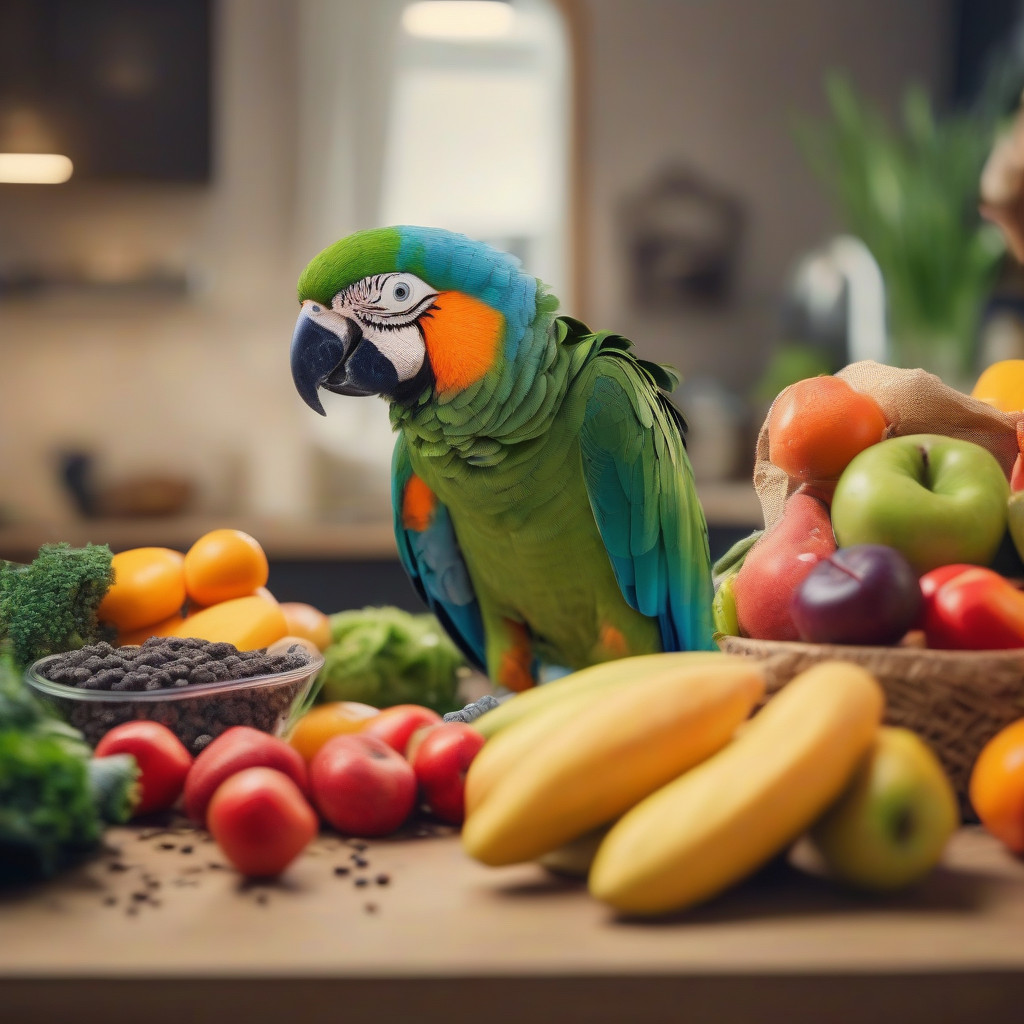
In this article, you will find comprehensive information about the insidious neurobiological effects of artificial colorings, preservatives, and flavors found in commercial bird feeds on your bird's brain health and mental vitality. We explore scientific nutritional secrets to combat these hidden dangers, shedding light on a wide spectrum of effects from behavioral changes to cognitive decline.

In this article, you can discover the scientific secrets to understanding your cat's undesirable habits, deciphering the neurocognitive mechanisms in their brain, and establishing lasting new routines.

Discover the types of burns your dog can suffer, the 5 insidious neurophysiological effects these burns create in the brain and body, and lifesaving emergency intervention strategies in this comprehensive guide. We shed light on the dangers behind forgotten household accidents from a scientific perspective.
Pet birds have always amazed us with their intelligence and learning capabilities. They can learn many behaviors, from talking to performing various tricks. However, behind this process, beyond mere repetition and reward, lie complex neurocognitive mechanisms at play in your bird's brain. As of May 2026, our knowledge of bird training is evolving, and we are now focusing not just on behavioral responses but also on the internal processes that shape them. Veterinarians and animal behaviorists are deciphering birds' "secret attention filters" to develop new scientific strategies for overcoming training challenges. In this article, we will explore 5 neurocognitive clues that will accelerate your bird's training process and maximize its focus.
The learning ability of birds is closely linked to the development of their forebrains (pallium). This region performs functions similar to the cortex in mammals, managing cognitive processes, memory, and decision-making. During training, birds perceive environmental cues, process them, and produce appropriate responses. This complex process requires the simultaneous operation of fundamental neurocognitive components such as attention, memory, and motivation.
In their natural environment, birds constantly scan their surroundings to survive and focus only on important stimuli. This "selective attention" ability also comes into play in a training setting. Your bird attempts to distinguish your commands and rewards, not all the sounds and sights in the environment. Excessive stimuli can overload your bird's attention filter, reducing learning efficiency. Unnecessary noise and movement in the environment can seriously impact your bird's learning capacity.
Positive reinforcement, which forms the basis of training, activates the reward pathway in the bird's brain. Dopamine, in particular, plays a critical role in learning and motivation. A reward following a behavior causes the brain to release dopamine, increasing the likelihood of that behavior being repeated. A proper understanding of this system is key to developing effective reinforcement strategies; as dopamine carries not just pleasure but also the signal for learning.
To fully unleash your bird's training potential, it's essential to understand its neurocognitive processes and build a training plan based on this knowledge. These clues offer a learning experience that aligns with your bird's natural brain functions.
Birds, depending on their species, may be sensitive to visual or auditory stimuli to varying degrees. For example, parrots are often known for their vocal mimicry abilities and may respond better to auditory commands, while some finch species might be more responsive to visual cues. In training, observing which sensory modality your bird responds best to and prioritizing that modality accelerates learning. Initially focusing on a single type of stimulus (e.g., only verbal commands or only hand signals) allows the "attention filter" to be less strained. This aligns with the vocal learning mechanisms mentioned in the article Your Bird's Secret 'Melody Algorithm': 5 Insidious Links Between Vocal Mimicry and Neuroplasticity!. Using multiple modalities simultaneously, especially at the beginner level, can confuse your bird and make it harder to focus.
Birds have limited short-term memory capacity. Therefore, training sessions should be kept short (5-10 minutes) and involve regular repetitions. Repetition strengthens neural connections, facilitating their conversion into long-term memory. Providing short breaks between sessions allows the brain to process information and form new connections. Research suggests that spaced repetition leads to more durable learning than intense but infrequent repetitions.
An inappropriate cage environment or insufficient mental stimulation can shorten your bird's attention span and increase its stress levels. An enriched environment triggers your bird's curiosity and develops its problem-solving skills. This, in turn, enhances overall cognitive capacity and positively impacts focus during training. As stated in the article Is Your Bird's 'Secret Stress Filter' Crashing? 5 Unknown Neurobiological Effects of Cage Environment and Scientific Design Secrets to Zero Stress!, reducing stress is critically important for learning. Toys, varied perches, and interactive elements keep your bird's mind active.
A bird's ability to learn significantly decreases when it is under fear, anxiety, or stress. Neurobiologically, stress hormones (like corticosterone) negatively affect brain regions associated with learning and memory. Therefore, ensuring your bird feels relaxed and secure before starting training sessions is vital. The article Your Bird's 'Trust Reflections': 5 Neurocognitive Secrets of First Contact After Adoption and Scientific Strategies for Lasting Bonding! offers valuable insights into building trust. A safe and positive learning environment positively influences your bird's brain chemistry and boosts its motivation.
The timing of reinforcement (reward delivery) is crucial for the neurophysiology of the learning process. A reward given immediately after a behavior, preferably within 1-2 seconds, maximizes dopamine release in the brain and strengthens the association between the behavior and the reward. Delayed rewards make it difficult for the bird to understand which behavior is being rewarded, reducing learning efficiency. This is a form of "neural timing" principle. Methods like clicker training help implement this immediate reinforcement principle most effectively.
To achieve success in training with your bird:
Training your bird is much more than just teaching it tricks or words; it's a scientific process that enhances its mental well-being and strengthens your bond with it. Understanding how your bird's brain works, how it filters attention, and how it processes information will deepen your training approach, making you a more patient, understanding, and effective trainer. By applying these neurocognitive clues, you can make your bird's training journey more efficient and enjoyable for both of you. Remember, every successful training begins with correctly utilizing your bird's secret attention filter.
