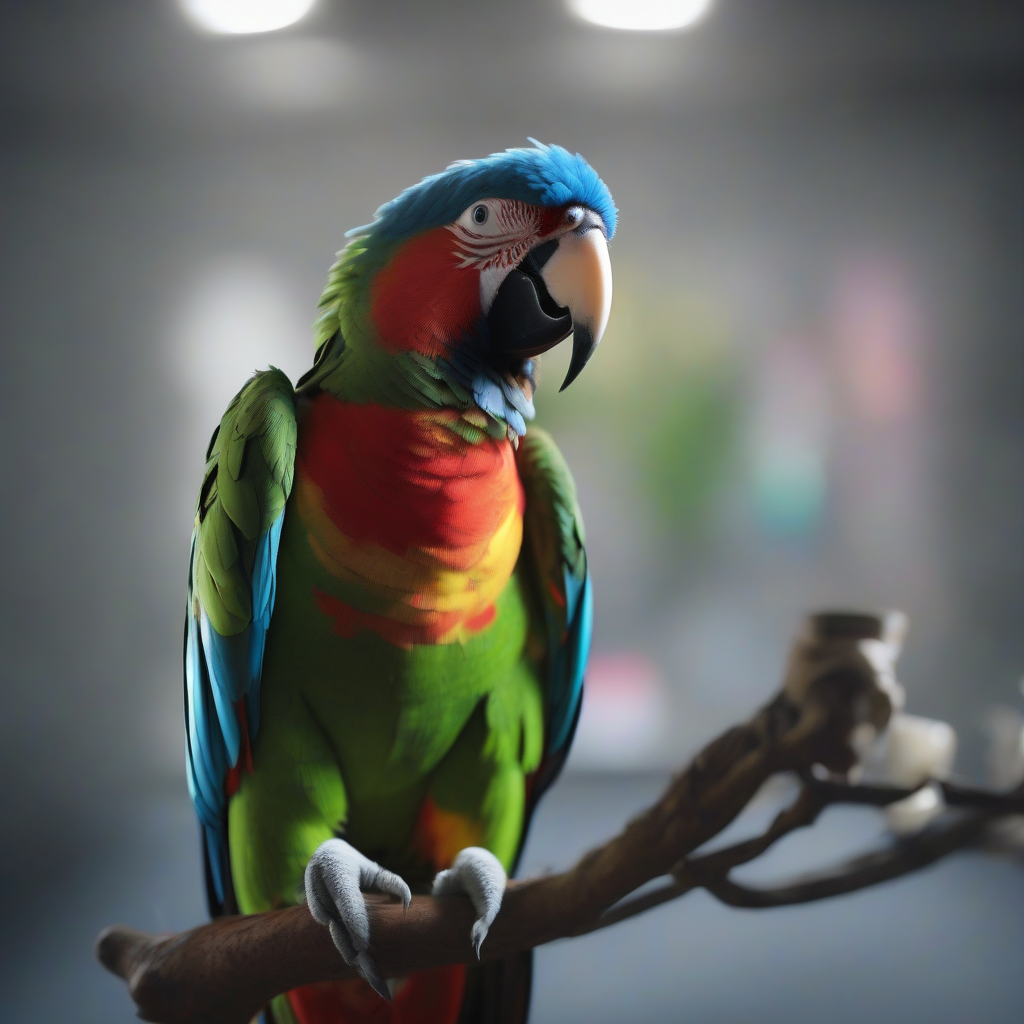
In this article, discover the hidden connection between your bird's vocal mimicry ability and neuroplasticity, and how to support this process. 5 scientific secrets await you!


Discover the types of burns your dog can suffer, the 5 insidious neurophysiological effects these burns create in the brain and body, and lifesaving emergency intervention strategies in this comprehensive guide. We shed light on the dangers behind forgotten household accidents from a scientific perspective.

Discover the neurobiological signals of hidden stress your newly adopted cat experiences during adaptation to a new social environment. This article reveals 5 insidious signs of your cat's silent struggle and scientific strategies for peaceful, long-term harmony.

Your dog's anal sacs, located beneath the tail, can be hidden alarm bells often overlooked but profoundly affecting their quality of life. In this article, you will discover the 5 insidious neurobiological effects of anal sac problems on the brain and the lifesaving care secrets you need to know for your furry friend to live a peaceful life.
The joy that a pet bird brings into our lives is undeniable. Their chirps, songs, and sometimes imitations liven up our homes. But what are the scientific realities behind this world of sounds? Specifically, your bird's ability to mimic human speech or other sounds is a testament to incredible plasticity in its brain, known as neuroplasticity. In this article, we will delve into how your bird's 'melody algorithm' works, how vocal mimicry is intertwined with neuroplasticity, and how we can make this process more efficient for your bird.
Neuroplasticity is the brain's ability to change its structure and function as a result of our experiences. Birds, especially songbirds, possess a remarkably high degree of neuroplasticity in specific brain regions. This allows them to learn complex song repertoires and even mimic sounds in their environment. When your bird learns a new word or melody, it signifies the strengthening of connections (synapses) between brain cells or the formation of new ones.
Vocal mimicry is not merely an act of repetition; it involves complex cognitive processes such as perceiving, analyzing, retaining, and reproducing sounds. For your bird to successfully imitate a sound, it needs to listen carefully, adjust its own voice accordingly, and practice continuously. This process requires the activation of a complex neural network extending from the auditory cortex to the motor cortex of the brain. It's akin to your bird establishing its own 'vocal studio'.
Two key regions in the songbird brain are responsible for vocal learning and production: the HVC (Hyperstriatum Ventrale, Pars Caudalis) and RA (Robust Nucleus of the Arcopallium). The HVC is where learned songs are stored and processed, while the RA generates the motor commands sent to the vocal cords (or the syrinx, in birds). Your bird's vocal mimicry ability is directly related to the density of neurons in these regions and the strength of their connections.
Not all bird species have the same vocal mimicry aptitude. Certain species (e.g., parrots, budgerigars, cockatiels) are inherently more prone to imitation. This indicates that genetic predisposition plays a significant role. However, environmental factors are equally important. The social interaction of your bird, its exposure to surrounding sounds, and its training experiences significantly shape its mimicry ability. If your bird engages in ample social interaction and is encouraged, neuroplastic adaptations occur more rapidly.
To maximize your bird's vocal mimicry potential, you can implement the following strategies:
In conclusion, your bird's vocal mimicry ability is more than just a cute trait; it's proof of its brain's incredible adaptability and learning capacity. By understanding this process and supporting it with the right strategies, you can ensure your feathered friend is mentally stimulated and strengthen the bond between you. Remember, every new sound is the bird composing a new melody in its brain!
