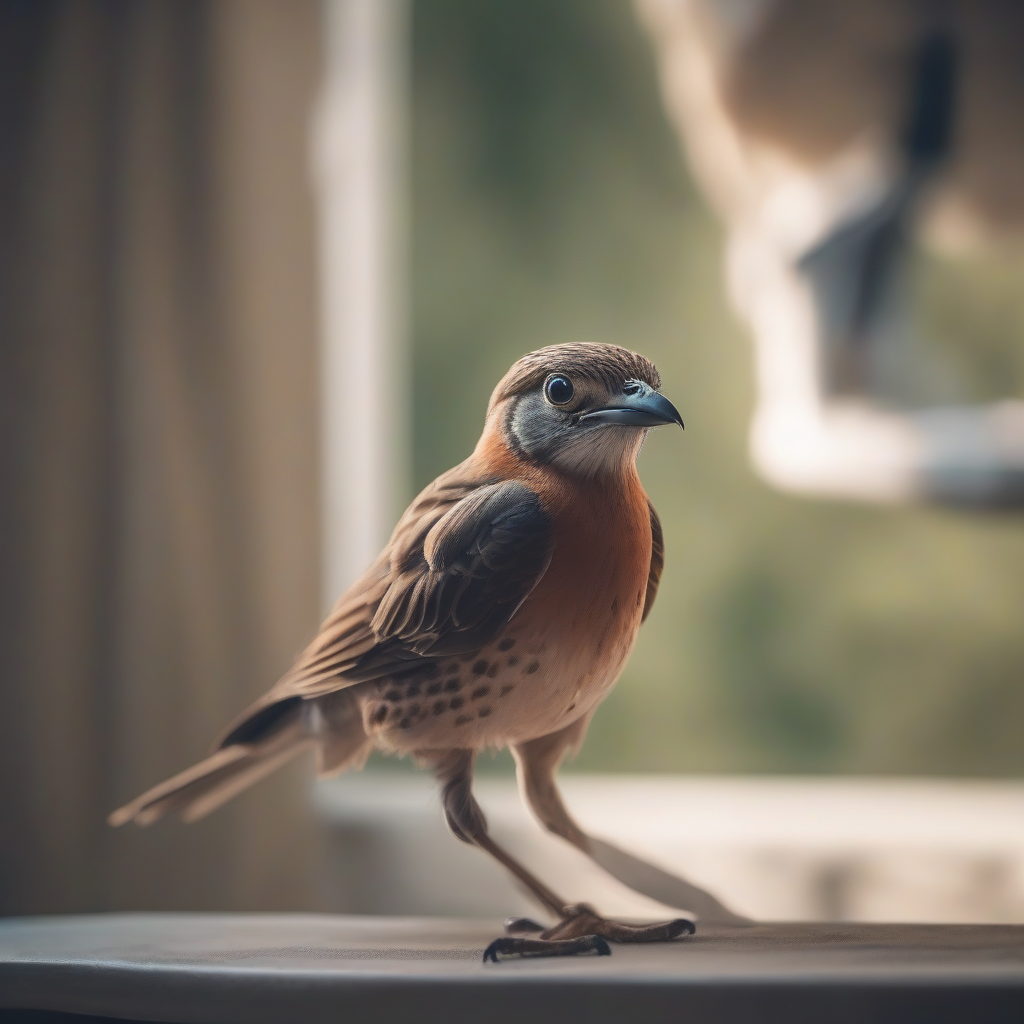
Explore the complex social world of birds and their hidden communication codes within the flock. In this article, you will learn about the 5 essential neurobiological elements of your bird's social intelligence and how to foster harmony.


Discover the types of burns your dog can suffer, the 5 insidious neurophysiological effects these burns create in the brain and body, and lifesaving emergency intervention strategies in this comprehensive guide. We shed light on the dangers behind forgotten household accidents from a scientific perspective.

Discover the neurobiological signals of hidden stress your newly adopted cat experiences during adaptation to a new social environment. This article reveals 5 insidious signs of your cat's silent struggle and scientific strategies for peaceful, long-term harmony.

Your dog's anal sacs, located beneath the tail, can be hidden alarm bells often overlooked but profoundly affecting their quality of life. In this article, you will discover the 5 insidious neurobiological effects of anal sac problems on the brain and the lifesaving care secrets you need to know for your furry friend to live a peaceful life.
Birds are far more complex and sophisticated social beings than we often assume. Their interactions within a flock are not merely a simple gathering but involve intense information exchange and delicate balance. Understanding this balance is critical for the welfare and behavioral health of our pet birds. As of April 2026, scientific research is helping us decode the 'secret social codes' of birds within their flocks. These codes allow us to understand how birds communicate with each other, establish their status, and maintain harmony.
While birds lack facial expressions, they engage in a veritable conversation through subtle body language signals such as eye movements, head tilts, wing positions, and feather ruffling. Slightly ajar eyelids can indicate comfort and security, while pupil dilation (in some species) might signify arousal or a perceived threat. Slightly raised wings can be a preparatory signal for flight or, at times, a form of social challenge or attention-seeking. Understanding these visual cues is the first step to deciphering your bird's emotional state and its relationship with other birds. For more on this topic, you can refer to our article, Your Bird's Hidden Communication Codes: 5 Neurobiological Signals in Body Language and the Art of Mastering Them.
Bird sounds, ranging from simple chirps to complex songs, serve specific purposes. Calls are used to keep flock members together, signal danger, or announce food discoveries. Songs are often used for territorial claims, mate attraction, or strengthening social bonds. Changes in a bird's vocal tone can indicate an increase in alert levels, relaxation, or even specific discomfort. Fledglings emit distinct sounds to inform their parents about their hunger levels. Understanding your bird's vocalizations is a gateway into their social world. The article Your Cat's 'Secret Sound Tunnel': 5 Communication Codes Hidden in Body Language and an Interpretation Guide delves deeper into these forms of communication.
Bird flocks typically exhibit a social hierarchy. This hierarchy regulates access to food, resting, and nesting areas for individuals. To establish their place in the hierarchy, birds often engage in demonstrative behaviors like intimidation, feather puffing, or sudden movements. These actions minimize physical conflict and maintain order within the flock. A bird's instinct to defend its territory is also very strong. This is important for protecting food resources and establishing a safe area for nesting. The article Your Dog's 'Silent Hierarchy Shield': 5 Neurobiological Secrets of Social Status Perception and the Origins of Leadership Behavior! offers valuable insights into this subject.
In many bird species, social grooming is not just an act of hygiene but also a powerful bonding tool. By preening each other's feathers, birds provide physical comfort and strengthen their social ties. This mutual grooming behavior reinforces feelings of trust and affiliation among flock members. Allowing or participating in social grooming makes a bird feel safe and accepted.
Bird flocks are not merely the sum of individual decisions; they can also exhibit collective intelligence. When food sources are discovered, information spreads rapidly among flock members. In times of danger, one bird's alarm call can mobilize the entire flock. This collective consciousness significantly increases the survival chances of flock members. For instance, a bird discovering a safe flight path can lead others to follow it. This demonstrates in-group learning and information sharing.
Understanding the social needs of our pet birds is key to optimizing their mental and physical health. Providing social environments that mimic flock behavior will help your bird be happier and more balanced. Remember, each bird is an individual, and decoding its social codes will allow you to build a deeper bond.
This article serves as an introduction to the complexity of bird social behavior. For further information, please review our related articles.
