
In this article, discover 5 hidden neurocognitive secrets and scientific strategies you can use to reduce your cat's stress during veterinary visits.

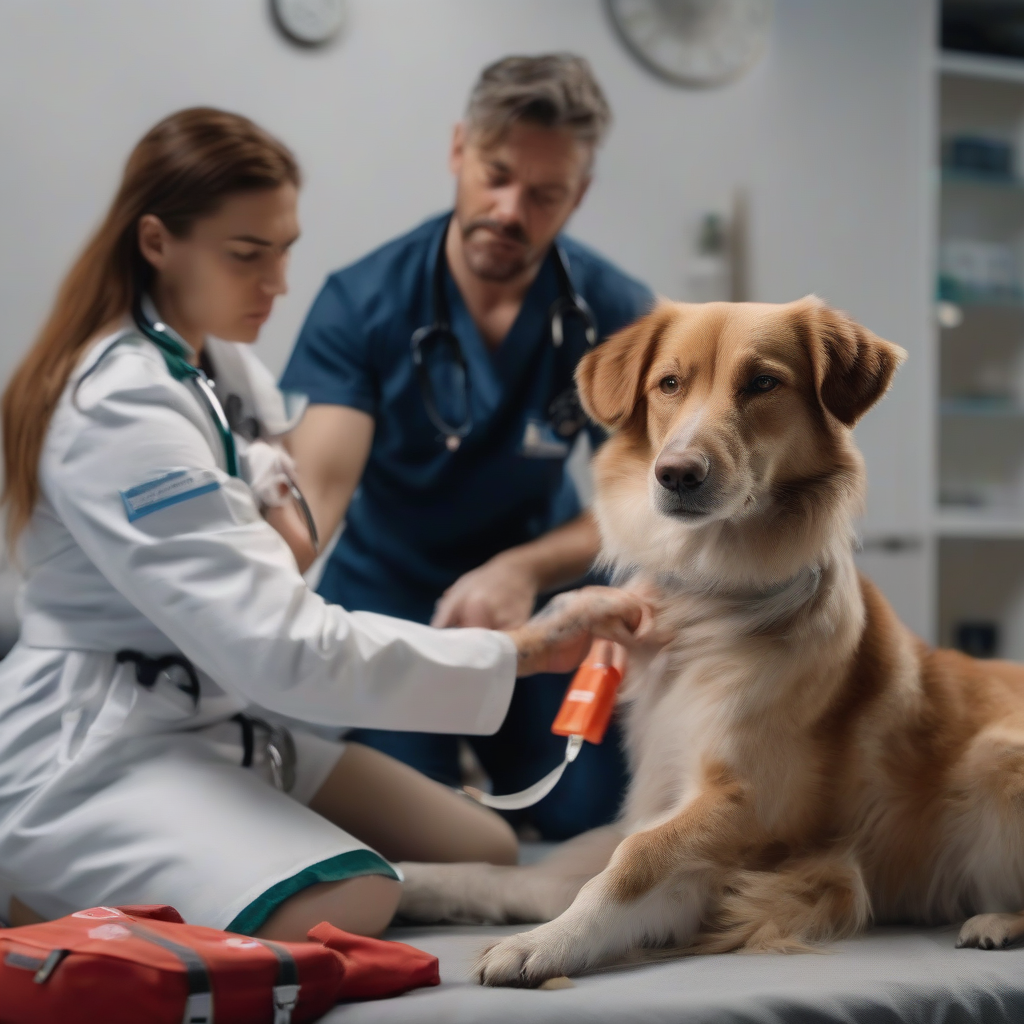
Discover the types of burns your dog can suffer, the 5 insidious neurophysiological effects these burns create in the brain and body, and lifesaving emergency intervention strategies in this comprehensive guide. We shed light on the dangers behind forgotten household accidents from a scientific perspective.

Discover the neurobiological signals of hidden stress your newly adopted cat experiences during adaptation to a new social environment. This article reveals 5 insidious signs of your cat's silent struggle and scientific strategies for peaceful, long-term harmony.

Your dog's anal sacs, located beneath the tail, can be hidden alarm bells often overlooked but profoundly affecting their quality of life. In this article, you will discover the 5 insidious neurobiological effects of anal sac problems on the brain and the lifesaving care secrets you need to know for your furry friend to live a peaceful life.
While veterinary visits are crucial for the health of our beloved pets, they are a major source of stress for most cats. A deeper understanding of what your cat experiences during these moments can help them navigate these anxious times more calmly. As veterinary content strategists, we are uncovering neurocognitive and scientific strategies that will make veterinary visits more manageable for both you and your furry friend by deciphering your cat's 'hidden mind map'.
As of April 2026, our understanding of animal welfare is deepening. Understanding cats' unique neurocognitive processes not only helps solve behavioral issues but also optimizes routine care practices. Let's explore 5 little-known neurocognitive secrets for reducing stress during veterinary visits.
Cats are extremely sensitive to even the smallest changes in their environment. The smell of the veterinary clinic, the sounds, and even the presence of other animals can be a significant stressor for them. This can trigger your cat's 'safe space algorithms'. Making the clinic environment resemble the most comfortable and safe places in your cat's home can play a critical role in reducing this stress. For example, a familiar blanket or a favorite toy inside the carrier can help your cat perceive the environment as less threatening. This is an extension of the sense of security we discussed in our article, Your Cat's Secret Sanctuary Guide: 5 Hidden Neurobiological Dangers of Vertical Spaces and Safe Height Secrets.
Pheromones are powerful chemical communication tools for cats. Using calming pheromones instead of stress-inducing scents found in a veterinary clinic can positively alter your cat's neurocognitive response. Having your veterinarian spray calming cat pheromone sprays on their hands or on coverings before entering the clinic can help your cat perceive their surroundings as safer. This highlights the power of scent signals discussed in our article, Your Cat's 'Hidden Scent Mazes': 5 Neurobiological Effects of Invisible Pheromone Signals in the Home Environment and Scientific Design Secrets to Trigger Calmness!.
Cats are sensitive even to high-frequency sounds that the human ear cannot detect. Sudden and loud noises in the veterinary clinic (device sounds, other animals' sounds) can increase your cat's stress levels. Therefore, playing calming music or nature sounds in the clinic environment can help your cat perceive auditory stimuli as less threatening. Low-frequency and soft melodies slow down cats' brain waves, creating a kind of 'calm resonance.' This principle is similar to the effects of stress-reduction techniques on pets mentioned in our article, Your Dog's Deep Sleep Secrets: 5 Neurobiological Secrets for Stress Reset and Scientific Protocols for Perfect Rest.
The carrier used to take the cat to the clinic is often the first source of stress. Ensuring the carrier is perceived as one of the safest places in your cat's home makes this process easier. Permanently placing the carrier in a corner of your home, putting their favorite bedding inside, and regularly associating it with reward treats helps them see the carrier as a sanctuary rather than a threat. Using the carrier solely for this purpose before veterinary visits prevents the cat from associating it with a negative experience. As mentioned in our article, Your Cat's 'Hidden Architectural' Stress: 5 Unknown Neurobiological Dangers of Vertical Spaces and Safe Height Secrets!, creating 'safe spaces' for cats is essential for their overall well-being.
Ensuring your cat has positive experiences during veterinary visits, rather than only encountering unpleasant procedures, reduces stress in the long term. Associating visits with short sessions of their favorite treats or play sessions before or after the examination can help your cat find the veterinarian less intimidating. This aims to make veterinary visits more tolerable by utilizing the powerful effect of positive reinforcement on learning, as discussed in our article, Your Cat's 'Secret Command Algorithm': 5 Neurocognitive Secrets of Come-When-Called Behavior and Scientific Training Protocols!. Even arranging a short, rewarded 'socialization' session in the examination room in collaboration with your veterinarian can make a difference.
Managing your cat's stress during veterinary visits is crucial not only for their physical health but also for strengthening the bond you share. By implementing these neurocognitive strategies, you can ensure your furry friend navigates these inevitable experiences more calmly and safely. Remember, understanding your cat's world is the key to providing them with a better life.
These strategies can also improve your cat's overall care routine. For example, topics like Your Cat's 'Hidden Fur Loss' Traps: 5 Insidious Non-Seasonal Causes and Scientific Fur Health Secrets! contribute to your cat's overall well-being.
If you notice signs of chronic health issues in your cat, articles like Cats' 'Silent Kidney Fatigue': 5 Hidden Metabolic Signs of Chronic Kidney Disease and Lifesaving Scientific Solutions! can provide you with additional information.
