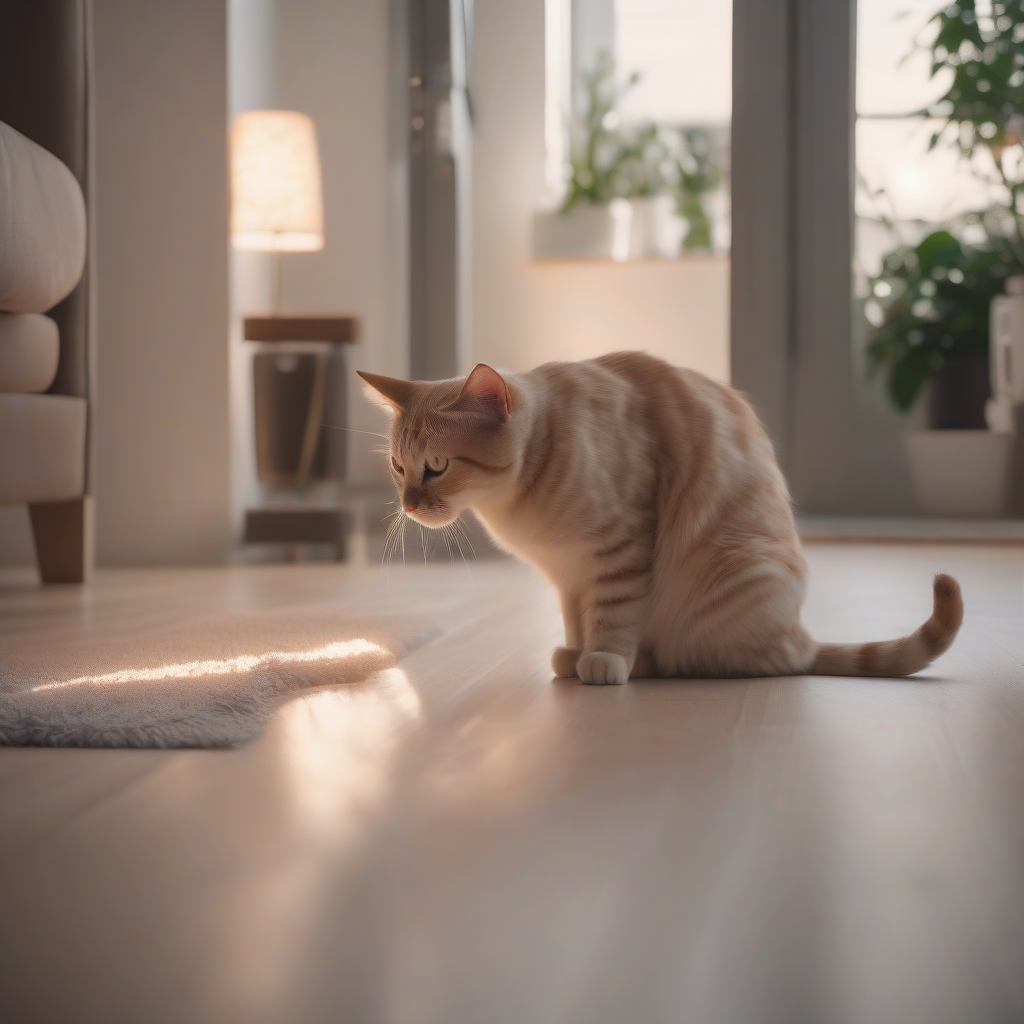
In this article, explore the hidden scent mazes in your cat's home environment, specifically the neurobiological effects of pheromone signals and scientific design secrets that trigger calmness.


Discover the types of burns your dog can suffer, the 5 insidious neurophysiological effects these burns create in the brain and body, and lifesaving emergency intervention strategies in this comprehensive guide. We shed light on the dangers behind forgotten household accidents from a scientific perspective.

Discover the neurobiological signals of hidden stress your newly adopted cat experiences during adaptation to a new social environment. This article reveals 5 insidious signs of your cat's silent struggle and scientific strategies for peaceful, long-term harmony.

Your dog's anal sacs, located beneath the tail, can be hidden alarm bells often overlooked but profoundly affecting their quality of life. In this article, you will discover the 5 insidious neurobiological effects of anal sac problems on the brain and the lifesaving care secrets you need to know for your furry friend to live a peaceful life.
Our homes are not just shelters for our cats, but also complex sensory worlds. One of the least understood layers of their rich world is the scent signals, invisible to the eye, detectable by the nose, and capable of evoking deep echoes in their brains. Pheromones, in particular, are invisible messages that play a critical role in cats' social interactions, stress levels, and overall well-being. In this article, we will delve into the hidden scent mazes of your cat's home environment and the neurobiological effects of pheromones, offering scientific design strategies to enhance their calmness and happiness.
Cats use scent not only as a source of information but also as a fundamental way to express their emotional states and understand their environment. Pheromones secreted from glands on their faces, paws, and at the base of their tails trigger complex neurobiological processes. These chemical messages are processed through the Jacobson's organ and directly reach the limbic system, the emotional center of the brain. This is one of the underlying reasons why cats find certain scents safe or threatening.
When your cat rubs its head against you or furniture, it's not just a sign of affection, but also a way of leaving its 'security seal.' These pheromones secreted from their faces mark their environment as their territory, and this marking reinforces their sense of security and belonging. These pheromones have a stress-reducing, calming effect on cats. Ensuring your cat marks important points in the house with these pheromones makes the environment safer and more comfortable for them.
Scent markings through urine or scratching allow cats to feel in control of their environment. This is vitally important, especially for cats adapting to a new environment or experiencing a stressful situation. A cat's scent creates a familiar 'map' for itself, and this map reduces uncertainty, thus providing calmness.
Pheromones secreted from glands at the base of the tail play a significant role in cats' social interactions and the communication of their moods. For example, a relaxed and happy cat may emit these pheromones more prominently. The correct perception of these pheromones supports the cats' social adjustment and overall emotional balance.
Pheromones secreted from the sweat glands in cats' paws leave subtle scent trails on the surfaces they walk on. This allows cats to feel secure as they explore their surroundings. The scents left by their paws also help them identify their 'familiar' routes. This is crucial, especially in cases of over-sensitivity such as feline hyperesthesia syndrome, as having a predictable environment is important.
Cats also emit specific pheromones when they are stressed or frightened. These pheromones can signal potential danger or discomfort to other cats in the environment, or even to humans. This 'danger scent' can trigger similar anxiety responses in other cats. Therefore, managing the olfactory environment around your cat is critical in reducing their anxiety levels.
Your cat's world relies much more on scent than ours. When designing their living spaces at home, we must not overlook these hidden scent mazes and the power of pheromones. Creating an environment that supports and triggers the right scent signals reduces your cat's stress, increases their security, and significantly improves their overall neurobiological well-being. Remember, the best habitat is one built on understanding your cat's sensory needs.
