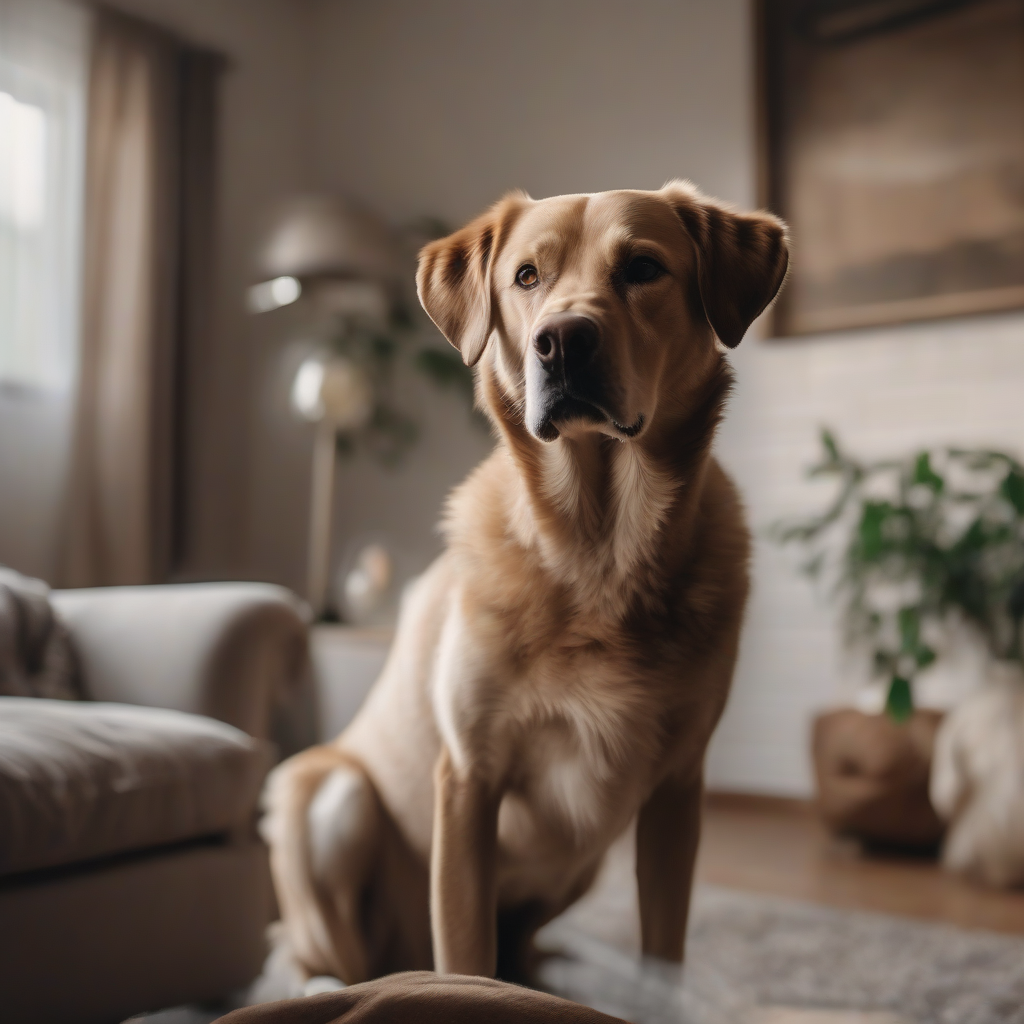
In this article, you will discover the insidious neurobiological effects of household noise pollution on canine brain health and behavior, along with scientific strategies to minimize these impacts and restore calmness.


Discover the types of burns your dog can suffer, the 5 insidious neurophysiological effects these burns create in the brain and body, and lifesaving emergency intervention strategies in this comprehensive guide. We shed light on the dangers behind forgotten household accidents from a scientific perspective.

Discover the neurobiological signals of hidden stress your newly adopted cat experiences during adaptation to a new social environment. This article reveals 5 insidious signs of your cat's silent struggle and scientific strategies for peaceful, long-term harmony.

Your dog's anal sacs, located beneath the tail, can be hidden alarm bells often overlooked but profoundly affecting their quality of life. In this article, you will discover the 5 insidious neurobiological effects of anal sac problems on the brain and the lifesaving care secrets you need to know for your furry friend to live a peaceful life.
Our homes should be a sanctuary and a safe space for our beloved pets. However, the constant barrage of noise in modern life can turn this sanctuary into a 'hidden sound labyrinth', especially for dogs with their acute sense of hearing. As an invisible threat, household noise pollution can lead to insidious neurobiological changes in dogs, profoundly affecting their behavior, mood, and overall health. As we reach April 2026, scientific research continues to highlight that chronic noise exposure causes significant problems for dogs, from brain chemistry to sleep patterns. In this article, we will delve into how your dogs are affected by noise pollution in their living spaces, the neurobiological underpinnings of these insidious effects, and the scientific protocols you can implement to rebuild their calmness.
Dogs can hear a much wider range of frequencies than humans and possess a highly sensitive auditory system. This sensory superiority makes them more vulnerable to environmental sounds. Constant television noise, music, household appliances, traffic sounds, or loud conversations at home can create a veritable 'sound labyrinth' for a dog. The neurobiological balance lost in this labyrinth sets the stage for many insidious health problems.
Chronic noise exposure leads to overstimulation in the cortical regions of a dog's brain. This is observed particularly in areas that process auditory information, such as the prefrontal cortex and temporal lobes. Constant stimulation activates the hypothalamus-pituitary-adrenal (HPA) axis, leading to persistently high levels of stress hormones like cortisol. Elevated cortisol levels can have a toxic effect on brain cells and disrupt the functioning of neural networks. This weakens your dog's long-term ability to cope with stress and invites various behavioral problems.
The hippocampus plays a critical role in learning and memory processes. Research in dogs indicates that chronic noise exposure negatively affects hippocampal plasticity and makes it difficult to learn new information. A hippocampus under constant stress can lead to the weakening of synaptic connections and even cell death. This can affect your dog's mental map, causing impairments in their ability to understand their environment and follow routines. Symptoms such as forgetfulness, unresponsiveness to commands, and forgetting newly learned skills may be observed.
The amygdala is the primary center in the brain that regulates fear and anxiety responses. Constant exposure to noise causes the amygdala to become hyperactive. This increases the risk of your dog developing sound phobias (e.g., fear of thunderstorms or fireworks) and generalized anxiety disorders. Hypersensitivity, constant vigilance, hiding or avoidance behaviors, trembling, and aggression can be signs of amygdala dysfunction. This state of anxiety can even negatively impact your dog's mastery of 'emotion reading', as their ability to interpret social cues diminishes when they are stressed.
Noise pollution disrupts the balance between the sympathetic (fight or flight) and parasympathetic (rest and digest) branches of the autonomic nervous system. In dogs constantly exposed to noise, the sympathetic system becomes overactive, while the parasympathetic system is suppressed. This leads to physiological stress responses such as increased heart rate, elevated blood pressure, digestive problems, and a weakened immune system. Prolonged sympathetic activation can cause chronic inflammation and deterioration in overall health.
Noise can severely disrupt your dog's circadian rhythms and sleep cycles. Especially sudden or continuous noises at night interrupt REM (rapid eye movement) and deep sleep phases. This affects melatonin production, reducing sleep quality and preventing your dog from getting adequate rest. Insufficient sleep leads to impaired cognitive functions, irritability, and general fatigue. Protecting your dog's deep sleep secrets is vital not only for their physical but also for their mental and emotional health.
Proactive steps can be taken to protect your dog from noise-induced stress and restore their neurobiological balance. Scientifically based approaches can make the home environment calmer and safer.
Implement acoustic solutions at home to reduce noise. Thick curtains, carpets, and upholstered furniture increase sound absorption. Sealing gaps in windows and doors with soundproofing strips reduces external noise. Position your dog's sleeping or resting area in the quietest corner of the house, ideally against an interior wall away from external noise.
Create 'safe sound zones' where your dog can feel secure and where sound has less impact. These areas can be a crate covered with thick blankets, a specially designed bed, or a den created in a corner of a room. These spaces should be places where your dog can retreat and isolate themselves during stressful situations. Your dog's secret sanctuary map is actually of vital importance to them. Using calming music or white noise machines in these areas can also be beneficial to mask external sounds.
Behavioral therapy programs are very effective for noise-sensitive dogs. Under the guidance of a veterinarian or a certified dog trainer, techniques such as gradually exposing your dog to specific sounds and associating them with positive experiences (counter-conditioning) can be applied. This increases your dog's tolerance to sounds and reduces fear responses. You can use your dog's secret 'reward circuits' in the brain to develop new, calm behaviors through positive reinforcement.
Certain nutritional supplements can help dogs cope with stress. Omega-3 fatty acids (especially EPA and DHA) support brain health and reduce inflammation. Supplements like L-theanine, tryptophan, and probiotics can also contribute to balancing neurotransmitters that help reduce anxiety and promote calmness. However, always consult your veterinarian before using such supplements.
Dogs thrive on routines, and a predictable life significantly reduces stress levels. Consistent feeding, play, potty, and sleep schedules increase your dog's confidence in their environment. Planning for noisy events (e.g., guests, renovations) as much as possible in advance, and preparing your dog for these situations or taking them to an alternative calm environment, will minimize sudden stress.
Helping your dog escape the 'hidden sound labyrinth' and lead a peaceful life is possible with your awareness and proactive approaches. Understanding the neurobiological effects of noise pollution and improving the home environment with scientific methods will profoundly impact not only your companion's physical health but also their mental and emotional well-being. By implementing these strategies, you can truly transform your dog's house into a sanctuary, offering them the calm and balanced life they deserve.
