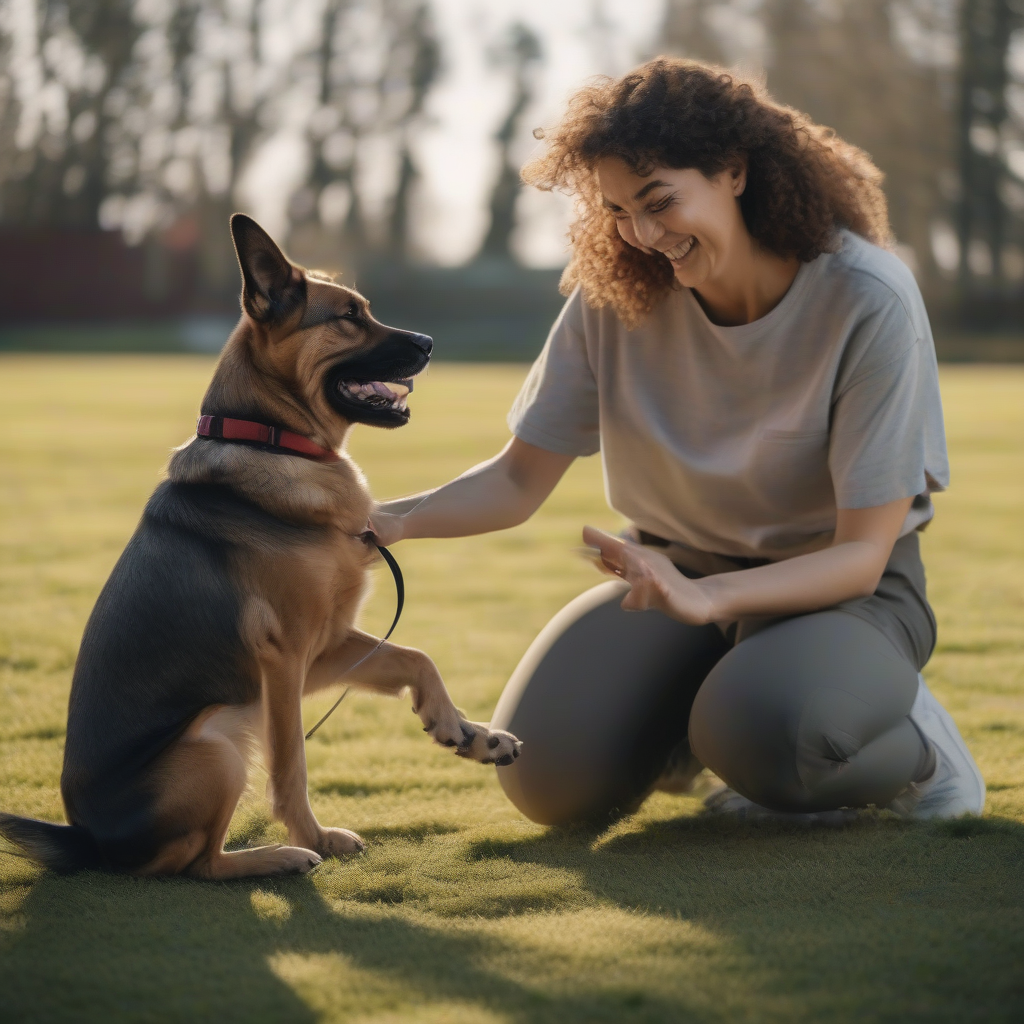
In this article, you will discover the neurological mechanisms behind positive reinforcement in dog training and 5 secrets to creating more effective and lasting behavioral changes by understanding the hidden 'reward circuits' in their brain.


Discover the types of burns your dog can suffer, the 5 insidious neurophysiological effects these burns create in the brain and body, and lifesaving emergency intervention strategies in this comprehensive guide. We shed light on the dangers behind forgotten household accidents from a scientific perspective.

Discover the neurobiological signals of hidden stress your newly adopted cat experiences during adaptation to a new social environment. This article reveals 5 insidious signs of your cat's silent struggle and scientific strategies for peaceful, long-term harmony.

Your dog's anal sacs, located beneath the tail, can be hidden alarm bells often overlooked but profoundly affecting their quality of life. In this article, you will discover the 5 insidious neurobiological effects of anal sac problems on the brain and the lifesaving care secrets you need to know for your furry friend to live a peaceful life.
One of the most effective ways to strengthen the bond with your dog and reinforce desired behaviors lies in understanding how their brains work. Positive reinforcement, in particular, is not just an act of giving a reward, but a powerful tool that activates complex neurological pathways in your dog's brain. In April 2026, we delve into these mysterious 'reward circuits' to bring you 5 fundamental neurological secrets that will enable you to achieve deeper and more lasting successes in your dog's training.
When your dog successfully completes a command or exhibits a desired behavior, the brain's 'reward center' is activated. One of the most important neurotransmitters in this center is dopamine. The release of dopamine creates feelings of pleasure, motivation, and satisfaction in your dog, significantly increasing the likelihood of the behavior being repeated. A piece of kibble, a word of praise, or a short game with a favorite toy triggers dopamine release, reinforcing the learning process. Therefore, keeping your training sessions short, fun, and highly rewarding activates the dopamine receptors in your dog's brain, making them a more eager learner. This also helps them better understand your signals, as discussed in our article Mastering Your Dog's 'Emotion Reading': 5 Secret Neurocognitive Secrets to Understanding Social Cues!.
Dopamine not only provides an immediate sense of pleasure but also strengthens the connection between a behavior and its reward. This is achieved through the activation of dopaminergic pathways in your dog's brain. Repeated behavior and consistent rewarding reinforce these neural pathways, making the behavior more permanent. These connections between the brain's learning and memory regions enable your dog to learn commands like 'sit' and 'stay' more easily and permanently. This process can also integrate with other cognitive abilities, such as spatial learning, as mentioned in our article Your Dog's Mental Map: The Neurological Impact of 'Blind Spots' at Home and Secret Space Security for Calmness.
Your dog's stress level during training directly affects their learning capacity. High cortisol levels (stress hormone) can impair the function of the brain regions involved in learning and memory. Positive reinforcement helps lower cortisol levels by creating a sense of security and comfort in your dog. A calm and positive training environment encourages your dog to act out of curiosity and a desire to learn, rather than fear or anxiety. This, especially when combined with stress management techniques like those in Your Dog's 'Invisible Capacitor': Neurobiological Secrets of Stress-Reducing Grooming and 5 Critical Protocols for Calmness, enhances your dog's overall well-being and makes the training process more enjoyable.
It's important to remember that positive reinforcement is not just about rewards; it also strengthens the social bond between you and your dog. Your dog's trust in you and their enjoyment of interacting with you increases oxytocin levels in the brain. Oxytocin, also known as the 'love hormone,' strengthens social bonds, empathy, and trust. Positive interactions with your dog during training help release this hormone, leading your dog to see you as a leader and respond more willingly to your commands. This also forms the basis for understanding social interactions, as explored in articles like Your Dog''s 'Hidden Hierarchy Map': 5 Neurochemical Secrets in the Brain for Accepting a New Dog!.
The brain possesses a lifelong ability to change and adapt, a phenomenon known as neuroplasticity. Positive reinforcement not only strengthens existing neural connections in your dog's brain but also encourages the formation of new ones. This allows your dog to break old, unwanted behavior patterns and learn new, desirable ones. For instance, consistent positive reinforcement in areas like house training directs your dog's brain circuits towards learning and automating this new behavior. This forms the basis of behavioral reprogramming, which can be observed in different species as well, as illustrated by topics like Your Rabbit's 'Mind Map' Mysteries: 5 Brain Chemistry Secrets for Litter Training!.
In conclusion, using positive reinforcement in your dog's training is far more than just saying 'good boy.' It is a neurological strategy that activates the reward circuits deep within their brains, making learning enjoyable, effective, and lasting. By understanding and applying these principles, you can build a stronger bond with your dog and achieve top-tier training successes. Remember, with patience, consistency, and a loving approach, you can unlock your dog's full potential.
Topics like Your Dog's 'Secret Arrogant Delay Syndrome': Why Isn't It Obeying Immediately? 5 Insidious Neurocognitive Reasons and Scientific Solutions for Building Patience! are great starting points for understanding these neurological foundations in more depth.
