
In this article, we explore how your dog's brain chemistry is affected when meeting a new dog and uncover the 5 hidden neurochemical secrets of this process.

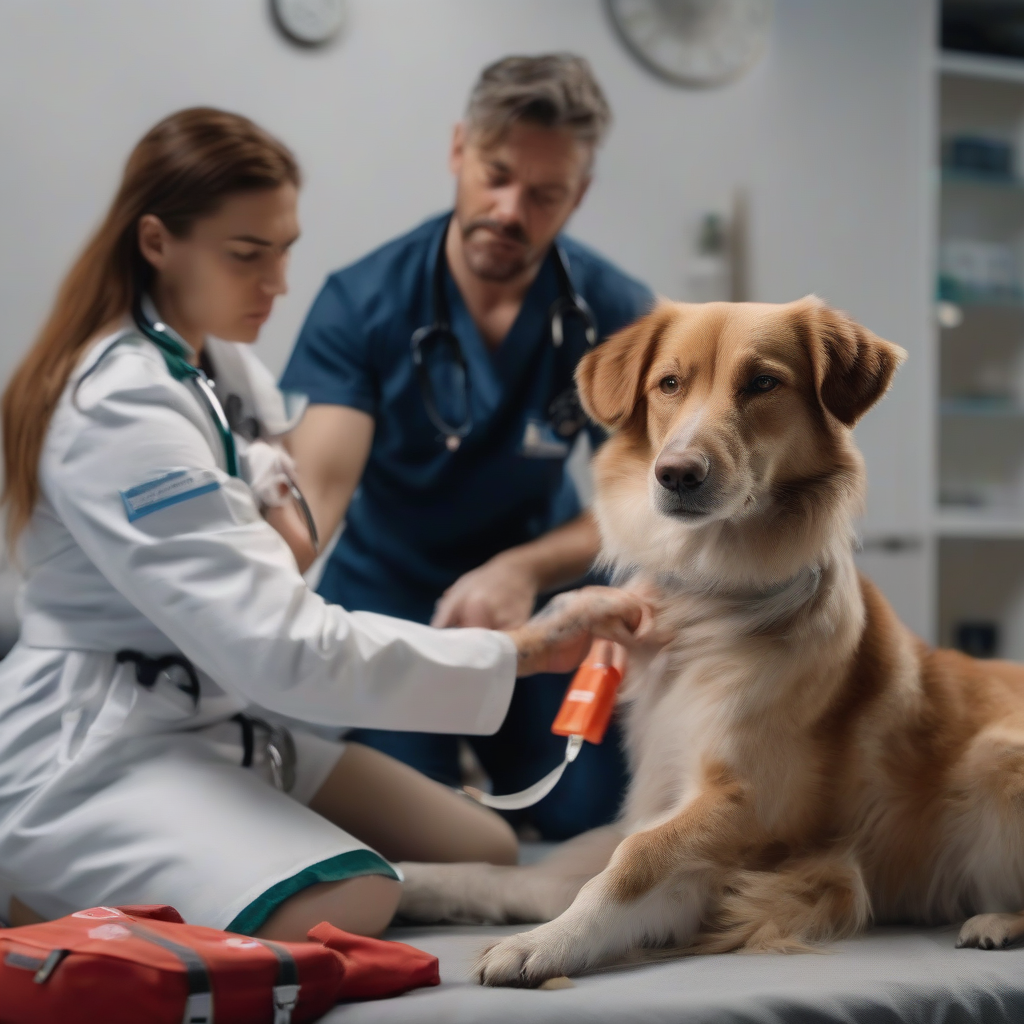
Discover the types of burns your dog can suffer, the 5 insidious neurophysiological effects these burns create in the brain and body, and lifesaving emergency intervention strategies in this comprehensive guide. We shed light on the dangers behind forgotten household accidents from a scientific perspective.

Discover the neurobiological signals of hidden stress your newly adopted cat experiences during adaptation to a new social environment. This article reveals 5 insidious signs of your cat's silent struggle and scientific strategies for peaceful, long-term harmony.

Your dog's anal sacs, located beneath the tail, can be hidden alarm bells often overlooked but profoundly affecting their quality of life. In this article, you will discover the 5 insidious neurobiological effects of anal sac problems on the brain and the lifesaving care secrets you need to know for your furry friend to live a peaceful life.
The excitement of bringing a new dog into your home can also bring about some uncertainties. Especially how your existing dog will react to the new guest is one of the most frequently asked questions by owners. But did you know that behind these reactions lies not just instinct, but also a complex neurochemical dance? Your dog's process of evaluating, accepting, or rejecting a new dog is closely related to the secretion of specific chemicals in its brain.
Oxytocin is often known as the 'love hormone' or 'bonding hormone.' When meeting a new dog, the amount of oxytocin secreted in your dog's brain directly impacts the quality of social interaction. If initial encounters go positively, oxytocin secretion increases, fostering a sense of trust towards the new dog. This hormone helps your dog build a more comfortable and positive relationship with its new friend. In this context, our article Your Dog's 'Hidden Bonding Hubs': 5 Scientific Secrets of Selective Attachment and Neurochemical Mechanisms in a New Home! delves deeper into the neurochemical foundations of bonding.
When faced with a new situation, your dog's stress hormone, cortisol, levels can rise. The presence of a new dog might be perceived as a threat or a source of uncertainty for your existing dog. High cortisol levels can lead to aggressive behaviors, withdrawal, or excessive anxiety. This situation can cause your dog to be overly sensitive to the new environment and the new dog. As mentioned in our article Your Dog's 'Silent Fire Alarm': 5 Invisible Triggers of Chronic Inflammation and Scientific Strategies to Rebuild a Cellular Health Shield!, recognizing and managing stress symptoms is critical for overall health.
Dopamine is associated with the brain's reward and motivation system. Discovering a new dog can trigger dopamine secretion in your dog's brain. This increases curiosity and prompts your dog to want to get to know the new dog more closely. Positive social interactions further increase dopamine secretion, making your dog find spending time with the new dog enjoyable. This highlights the importance of positive social reinforcement.
Serotonin plays a crucial role in general mood, social behaviors, and impulse control. During the process of adjusting to a new dog, changes in serotonin levels can affect your dog's overall mood and behavioral responses. Balanced serotonin levels help your dog be calmer, more patient, and more socially adjusted. Conversely, serotonin imbalances can lead to difficulties in social interactions. While the article Your Dog's 'Emotion Nutrients': 5 Unknown Neurobiological Secrets of the Gut Microbiome on Mood and Behavior! examines the impact of the gut microbiome on mood, it also touches upon the importance of neurochemical balance.
If the first encounter is tense, or if your dog feels threatened, 'fight or flight' hormones like adrenaline and noradrenaline can kick in. These hormones speed up heart rate, sharpen senses, and can cause your dog to become defensive or flee the environment. This 'alarm' state can lead to your dog being overly reactive to the new dog. Therefore, keeping the introduction environment calm and managing your dog's stress levels is of utmost importance. The article Your Dog's 'Hidden Panic Buttons': 5 Critical Signs of Sudden Hypotension and Lifesaving Scientific Intervention! can help in understanding the signs of sudden stress responses.
Your dog's socialization with a new dog requires patience, the right environment, and scientific understanding. Keeping initial encounters controlled and brief, creating a comfortable space for your dog, and rewarding positive interactions will help establish a healthy neurochemical balance. Remember, every dog is an individual, and these neurochemical responses can vary from one to another. Therefore, carefully observing your dog's behavior and seeking professional help when necessary is the best approach.
Articles like Your Dog's 'Secret Social Solvers': 5 Neurocognitive Keys to New Home Adaptation and Trust Building! and Your Dog's 'Silent Social Hurdles': Unlock 5 Invisible Neurological Locks for New Home Adaptation! will help you better understand the complex process of adapting to new environments.
