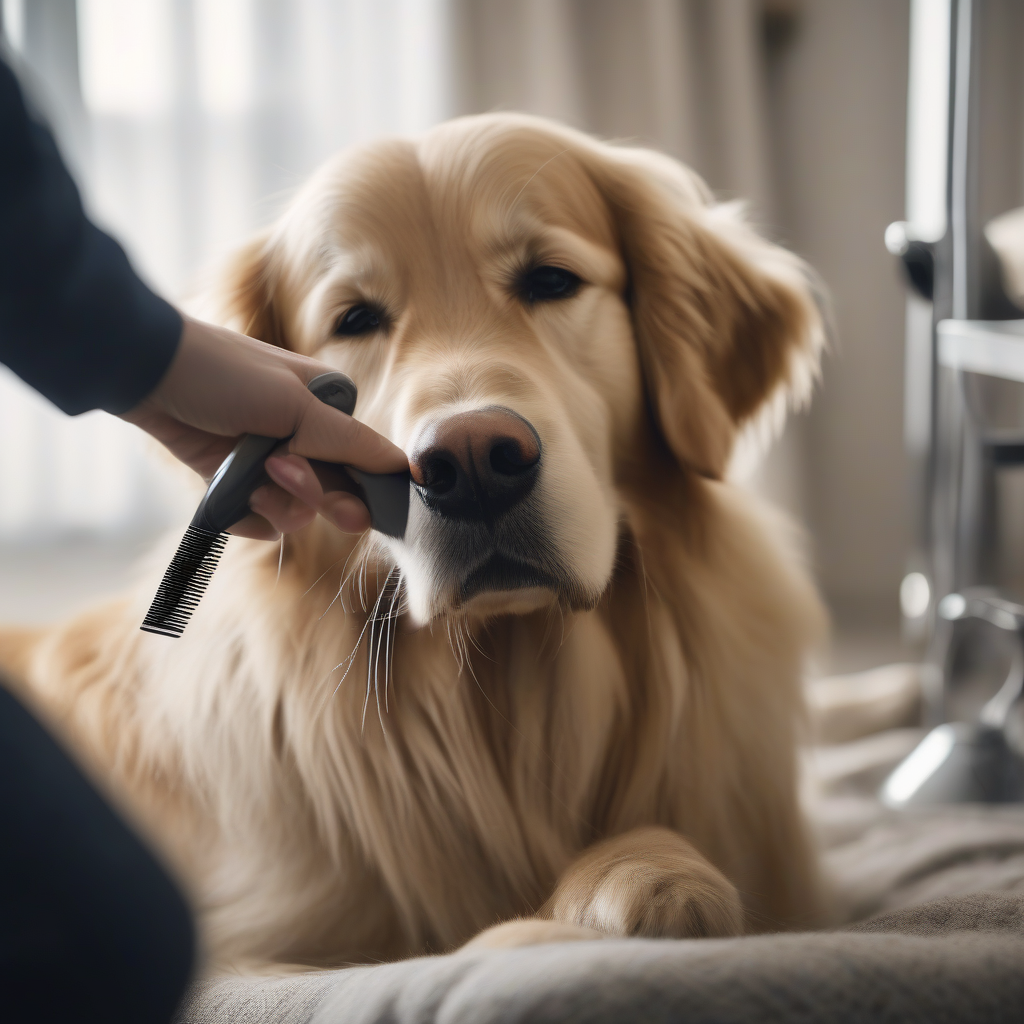
Did you know your dog's fur is more than just aesthetic? This article explores how grooming impacts your dog's nervous system, reducing stress. Discover 5 scientifically proven protocols to enhance your dog's well-being.


Discover the types of burns your dog can suffer, the 5 insidious neurophysiological effects these burns create in the brain and body, and lifesaving emergency intervention strategies in this comprehensive guide. We shed light on the dangers behind forgotten household accidents from a scientific perspective.

Discover the neurobiological signals of hidden stress your newly adopted cat experiences during adaptation to a new social environment. This article reveals 5 insidious signs of your cat's silent struggle and scientific strategies for peaceful, long-term harmony.

Your dog's anal sacs, located beneath the tail, can be hidden alarm bells often overlooked but profoundly affecting their quality of life. In this article, you will discover the 5 insidious neurobiological effects of anal sac problems on the brain and the lifesaving care secrets you need to know for your furry friend to live a peaceful life.
Our canine companions' fur serves more than just insulation or aesthetic appeal. Research indicates a profound connection between their coat, skin, and nervous system. In fact, a gentle grooming session can act as an 'invisible capacitor,' positively influencing your dog's brain chemistry. This not only results in a lustrous coat but also directly impacts their overall mental health and well-being.
Your dog's skin is rich with millions of nerve endings. Brushing or massaging the fur gently stimulates these nerve endings, sending positive signals to the brain. These signals help reduce levels of the stress hormone cortisol while promoting the release of oxytocin and endorphins, known as happiness hormones. A calming touch, in particular, can reduce the 'fight or flight' response in dogs, making them feel more secure and relaxed. This is vital, especially for dogs who have experienced trauma or are sensitive to environmental stressors. It also strengthens your bond and deepens communication between you and your dog.
Another crucial aspect of grooming is its support for your dog's skin microbiome. A healthy skin microbiome aids in strengthening the immune system and reducing inflammation. Chronic inflammation, in turn, can lead to behavioral issues and increased overall stress levels in dogs. The right products and massage techniques used during grooming can help balance the skin microbiome, preventing these negative effects. For instance, natural, hypoallergenic shampoos and lotions help maintain microbiome balance without irritating your dog's sensitive skin. This allows you to be more aware of issues like Your Dog's 'Silent Fire Alarm': 5 Invisible Triggers of Chronic Inflammation and Scientific Strategies to Rebuild a Cellular Health Shield! and support their overall health.
Here are some effective grooming protocols you can implement to reduce your dog's stress and enhance their overall well-being:
Regular brushing, performed daily or a few times a week, not only untangles knots but also provides an opportunity to familiarize yourself with your dog's body and spot potential issues early. Plan brushing sessions as a reward and interaction time. Pay attention to your dog's reactions during brushing. If they show discomfort in a particular area, approach it more gently or consult your veterinarian. Similar to Your Dog's Secret 'Whisper Zone' with Floor Textures: 5 Neurosensory Discoveries and Behavioral Welfare Secrets at Home!, this helps you understand your dog's connection with their environment.
Each dog coat type requires a different brush. Soft-bristled brushes are ideal for short-haired dogs, while wider-spaced, detangling brushes work best for long-haired breeds. Be more cautious when using stiffer brushes like slicker brushes, as they can irritate the skin if used incorrectly. Brush selection is critical not only for coat health but also for gently stimulating your dog's nervous system. As mentioned in Your Dog's 'Invisible Care Guide': 5 Deep Neurobiological Secrets and Stress-Reducing Protocols!, the right tools enhance well-being.
You can transform grooming into a massage session using diluted forms of quality, dog-safe essential oils (like lavender). This helps soften the fur and allows your dog to relax deeply. During the massage, you'll notice a slowing of your dog's heart rate and a calming of their breathing. This technique can be particularly effective in reducing stress during social adjustment processes, such as those described in Your Dog's 'Hidden Hierarchy Map': 5 Neurochemical Secrets in the Brain for Accepting a New Dog!.
Look for nourishing ingredients such as omega-3 and omega-6 fatty acids, vitamin E, and natural moisturizers in shampoos, conditioners, and sprays. These products strengthen your dog's skin's natural barrier, preventing moisture loss and reducing itching. This, in conjunction with topics like Your Dog's 'Unknown Protein Sensitivity Crystal': Unlocking the 5 Neurobiological Secrets of 'Silent Inflammation' and a Scientific Guide to Revolutionize Food Choice!, supports overall skin health and reduces inflammatory responses.
Make grooming an enjoyable activity for your dog. Offering small rewards (treats or verbal praise) at the end of grooming sessions helps your dog form a positive association with grooming, making them more willing for future sessions and transforming the process from a chore into an opportunity for bonding. This approach can also positively impact other care routines, such as those discussed in Your Dog's 'Hidden Scent Trails': 5 Insidious Neurological Shocks of Food Changes and Scientific Strategies to Strengthen Your Digestive Shield!.
Your dog's grooming is not merely about their external appearance. It's a profound care ritual that calms their nervous system, reduces stress levels, and supports their overall health. By implementing the scientifically-based protocols outlined above, you can activate the hidden capacitor beneath their fur, ensuring your dog leads a happier, calmer, and healthier life. Remember, well-groomed fur not only looks good but is also a sign of a happy dog.
