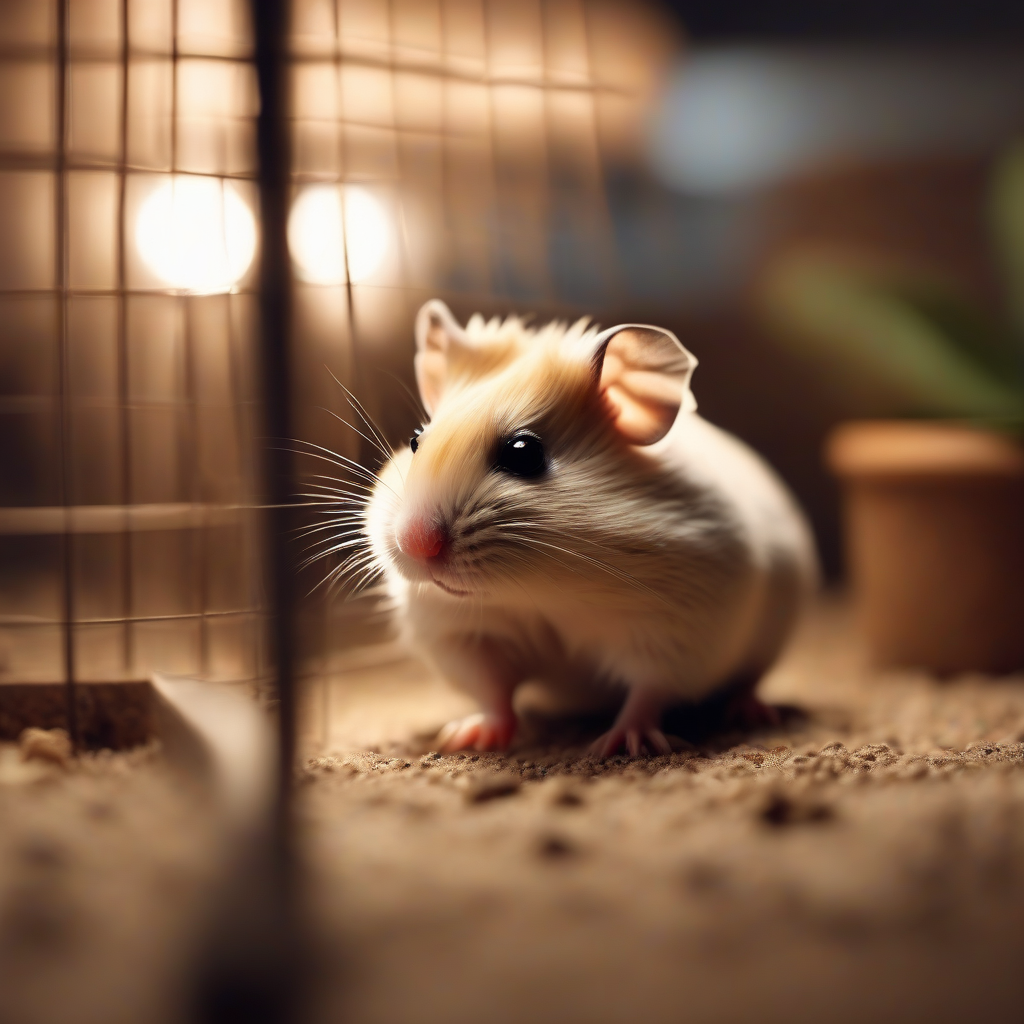
In this article, you will learn about 5 hidden neurocognitive processes your hamster experiences during adaptation to a new environment and socialization strategies.


Discover the types of burns your dog can suffer, the 5 insidious neurophysiological effects these burns create in the brain and body, and lifesaving emergency intervention strategies in this comprehensive guide. We shed light on the dangers behind forgotten household accidents from a scientific perspective.

Discover the neurobiological signals of hidden stress your newly adopted cat experiences during adaptation to a new social environment. This article reveals 5 insidious signs of your cat's silent struggle and scientific strategies for peaceful, long-term harmony.

Your dog's anal sacs, located beneath the tail, can be hidden alarm bells often overlooked but profoundly affecting their quality of life. In this article, you will discover the 5 insidious neurobiological effects of anal sac problems on the brain and the lifesaving care secrets you need to know for your furry friend to live a peaceful life.
Hamsters, despite their tiny bodies, possess complex social and neurocognitive worlds. Especially when entering a new environment, a series of subconscious processes are triggered within these little companions. In this article, we will delve into the 5 hidden neurocognitive secrets your hamster uses when adapting to a new home or living space, and how you can make these processes more harmonious.
Hamsters are naturally curious creatures. A new environment presents both an adventure and a potential danger zone. In these situations, a complex 'mapping' process is initiated in their brains. Areas like the amygdala and hippocampus work to process surrounding scents, sounds, and textures, focusing on identifying safe and unsafe areas. This is the neurobiological basis for why your hamster might initially act timid, constantly seek hiding spots, and cautiously explore by sniffing the surroundings.
To support this process, it's beneficial to allow your hamster to come into contact with familiar scents (from their old habitat or your scent) before placing them in their new cage. Additionally, adding safe nooks and crannies within the cage, such as a ceramic hide or tunnel, offers them a sense of security during exploration. This is closely related to the principles outlined in Your Hamster's 'Secret Architectural Secrets': 5 Neurobiological Traps in Cage Placement and Scientific Design Codes for Mental Well-being.
While some hamster species (e.g., Syrian hamsters) prefer solitary living, others (e.g., dwarf hamster species) are social beings. Hamsters adapting to a new social environment activate complex 'social language' codes. This isn't limited to scent marking; it also manifests through body language, vocalizations, and even specific behavioral repetitions. When introduced to a new hamster, behaviors like tension, avoidance, or rarely, curious approaches are observed. This reflects their fundamental social instincts and is relevant to Hamsters' Hidden 'Bonding Chips': 5 Unknown Neurobiological Secrets of Social Connection!.
Especially for hamsters living in groups, introducing a new member requires careful attention. Rushed or improper introductions can lead to significant stress and even conflict. In such situations, creating a neutral 'social space' and employing gradual introduction methods is important to support neurocognitive adjustment processes.
Sudden changes in a hamster's diet profoundly affect not only their digestive system but also their overall stress levels. The digestive system is often called the 'second brain,' and disruptions in the gut microbiome balance can have direct effects on the nervous system. Stomach discomfort or diarrhea experienced during a transition to a new food type can lead to general unease and insecurity in the hamster. This can cause them to automatically behave more defensively or timidly.
To prevent this 'neurological shock,' diet changes should be made slowly and gradually. By gradually adding the new food to their existing diet, you allow their digestive system time to adapt, making the process smoother. Our article, Your Hamster's 'Hidden Digestive Locks': The Neurological Shocks of Diet Changes and 5 Scientific Strategies!, will provide further guidance on this matter. Additionally, ensuring new foods are rich in fiber to support the digestive system is important, which may require referring to information in Hamster Food Mysteries: 5 Unknown Fiber Secrets and Ways to Become a Digestive Champion!.
Hamsters are known as nocturnal animals, and their circadian rhythms, or internal sleep-wake cycles, are a fundamental part of their lives. When they enter a new environment, environmental changes (light levels, sounds, temperature fluctuations) can disrupt this delicate sleep architecture. Insufficient or interrupted sleep can lead to increased stress levels, irritability, and even a weakened immune system in hamsters. This can negatively impact their social interactions as well.
Providing an optimal sleep environment is critical for your hamster's adaptation process. Placing the cage in a quiet, dark, and consistently temperate location helps maintain their circadian rhythms. Furthermore, offering ample digging and nesting materials that mimic their natural behaviors enhances sleep quality. Your Hamster's 'Hidden Sleep Architects': 5 Neurobiological Secrets of Optimal Circadian Rhythms and Stress-Free Rest for Longevity! will help you deepen your understanding of this topic.
The trainability of hamsters is a fact often overlooked. However, they too possess learning capabilities and the capacity to overcome certain neurocognitive 'hurdles.' When accustomed to a new environment or commands, hamsters may encounter specific cognitive challenges. Positive reinforcement methods are the most effective way to overcome these hurdles. Each successful attempt (e.g., following a command or interacting with a new toy) triggers dopamine release in the brain, reinforcing the learning process.
Patience and taking small steps are essential in training. Excessive pressure or punishment creates fear and insecurity in the hamster, negatively impacting their learning capacity. Your Hamster's 'Hidden Shaping Codes': Unlock 5 Unknown Neurocognitive Keys in Training! will inspire you in this regard. By observing their natural behaviors and integrating them into training, you can both support their mental development and strengthen your bond.
The adaptation of your hamster to a new environment is a delicate process, considering their sensitive neurobiological structures and complex social instincts. Understanding these unknown social codes and adopting the right approaches is the key to ensuring they lead a happier, healthier, and more harmonious life.
