
In this article, discover the hidden 'dead zones' in your dog's home environment that cause stress and learn scientific methods for creating a safe haven.


In this article, you will discover the little-known but profound effects of the acoustic environment in rabbit living spaces on their brain health and general well-being, exploring the neurobiological consequences of both sound deprivation and overstimulation, and scientific secrets to creating a peaceful environment. Understand and optimize your rabbit's world with expert tips.
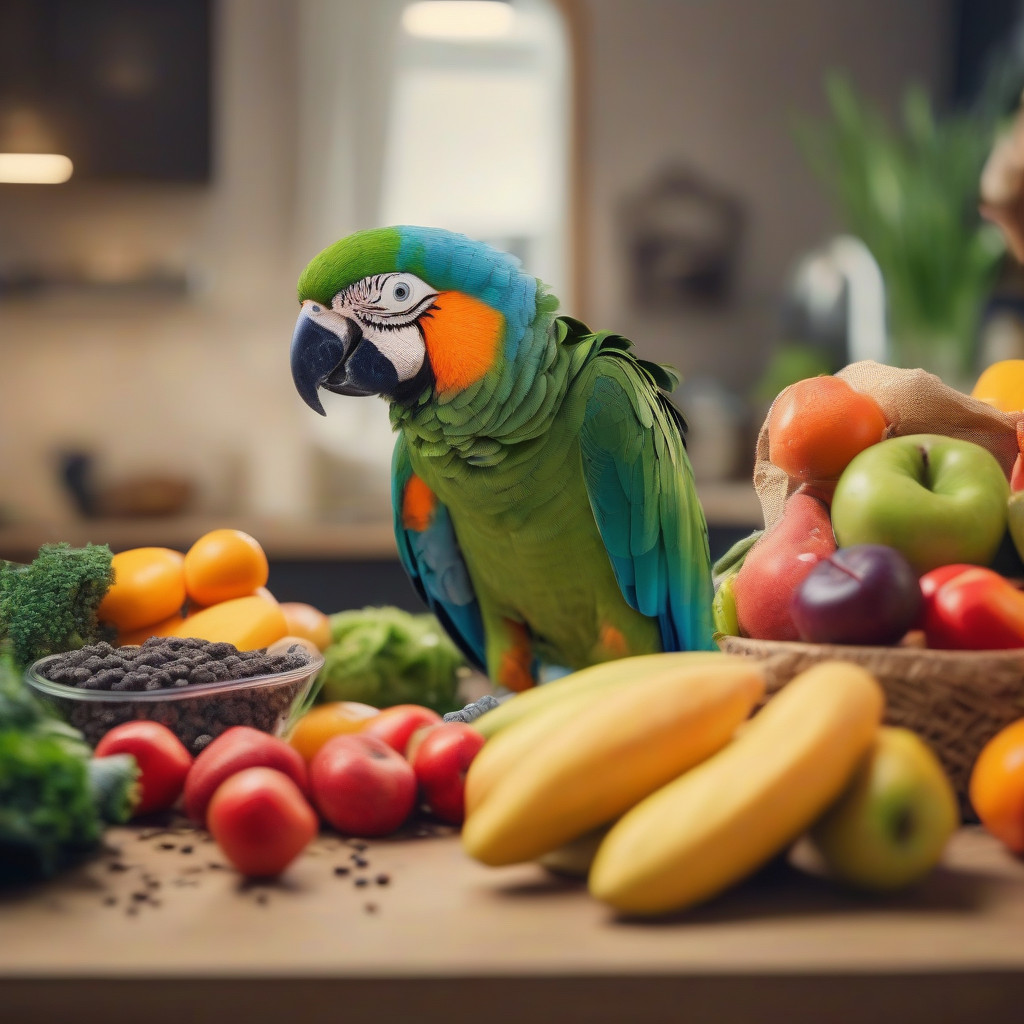
In this article, you will find comprehensive information about the insidious neurobiological effects of artificial colorings, preservatives, and flavors found in commercial bird feeds on your bird's brain health and mental vitality. We explore scientific nutritional secrets to combat these hidden dangers, shedding light on a wide spectrum of effects from behavioral changes to cognitive decline.

In this article, you can discover the scientific secrets to understanding your cat's undesirable habits, deciphering the neurocognitive mechanisms in their brain, and establishing lasting new routines.
For our beloved pets, home is more than just four walls and a roof. In their world, every corner of the house is a complex 'spatial map' filled with sensory information. However, some areas we overlook or underestimate can become a significant source of stress for our little companions. As of April 2026, it's time to re-evaluate your dog's living environment! In this article, we will delve deep into the hidden 'dead zones' within the home and explore scientifically proven ways to create a 'safe haven' for your dog in these areas.
Dogs possess far more acute senses than we do. This means they experience their environment in ways we cannot perceive. Here are 5 hidden 'dead zones' that your dog may be unknowingly exposed to, leading to stress on behavioral and neurological levels:
Door thresholds are constant transition points between the outside world (visitors, sounds, smells) and the indoor environment. These areas can be a potential source of threat or uncertainty for your dog. Sudden noises (doorbells, horns) or unexpected arrivals can trigger your dog's 'danger alarm,' leading to a state of constant vigilance and increased anxiety.
Dogs live close to the ground, and their field of vision differs from ours. Areas like under furniture or in tight corners can create a feeling of being ambushed, where your dog cannot fully survey its surroundings. These spots can hinder their sense of security and lead to panic when faced with a sudden movement or sound. As we discussed in Your Dog's 'Hidden Space Perception': Decode How 5 Hazardous Voids at Home Trigger Stress!, spatial perception directly influences your dog's susceptibility to stress.
The area around the food bowl is where nutrition and competition intersect. Especially with multiple dogs, this area can lead to tension and conflict if not managed correctly. Similarly, areas where toys are gathered or play is intense can become 'dead zones' if they lead to your dog experiencing stress over resources. Topics like Your Dog's 'Hidden Mines': 5 Insidious Mineral Imbalances in the Food Bowl and Their Behavioral Effects! can also impact this area.
While window edges can be great for observing the outside world, constant exposure to stimuli can be exhausting for your dog. Birds, people, other animals... this can lead to over-arousal. Conversely, areas with constant, unchanging stimulation or, conversely, sensory deprivation (e.g., a very quiet, still room) can also affect your dog's stress levels. Sudden environmental changes like heatwaves or cold drafts can also make your dog uncomfortable. Your Dog's 'Hidden Electrolyte Fever': 5 Critical Signs of Insidious Dehydration in Hot Weather and Lifesaving Scientific Interventions! highlights the importance of such factors.
Areas with electrical cords in the house pose a deadly threat, especially for dogs with a chewing tendency. Similarly, areas providing access to balconies or high windows carry the risk of falls. These areas carry a constant danger signal for your dog, creating an underlying fear.
One of the most effective ways to reduce your dog's stress at home is to provide them with their own 'safe haven.' This is not just a bed or a crate, but an area where they feel completely secure and in control. Here's a guide to creating a 'safe haven' based on scientific principles:
The safe haven should be in a quiet corner of the house, but positioned where your dog can observe the household's activities. It should be away from high-traffic entry areas with sudden noises, yet allow them to monitor family movements. This ensures both privacy and social balance. Your Dog's 'Silent Chaos': Unmasking 5 Insidious Games of Hidden Space Manipulation at Home and Scientific 'Boundary' Setting for Calmness! offers valuable tips on space management.
To make the safe haven more appealing for your dog, you can incorporate elements of neurosensory enrichment. For example, chew toys, puzzle toys that provide mental stimulation, or a blanket infused with familiar scents. As mentioned in articles like Your Dog's Secret Paw Print: 5 Neurosensory Secrets of Home Floor Textures on Paws, Joints, and Mind!, textures can also have a calming effect in this space.
Respecting your dog's safe haven is extremely important. You should not force entry, disturb them, or force them out of it when they are there. This will reinforce their trust in this area. Your Dog's 'Secret Space Shields': 5 Invisible Obstacles at Home and Scientific 'Zone' Setting for Calmness offers further guidance on this.
Acclimatize your dog to the new safe haven gradually. Make it interesting initially, associate it with rewards, and praise them when you notice they are calm and relaxed there. Cognitive processes, as discussed in articles like Your Dog's 'Cognitive Map Reader': The Art of Finding Lost Items and 5 Neurochemical Secrets in the Brain, can help speed up this adaptation process. Remember, patience and positive reinforcement are key.
Home should be a sanctuary for your dog. Eliminating the 'dead zones' mentioned above and establishing a 'safe haven' based on scientific principles will enhance their overall well-being and significantly improve their quality of life at home. Your companion's happiness depends on how well you understand their living environment.
