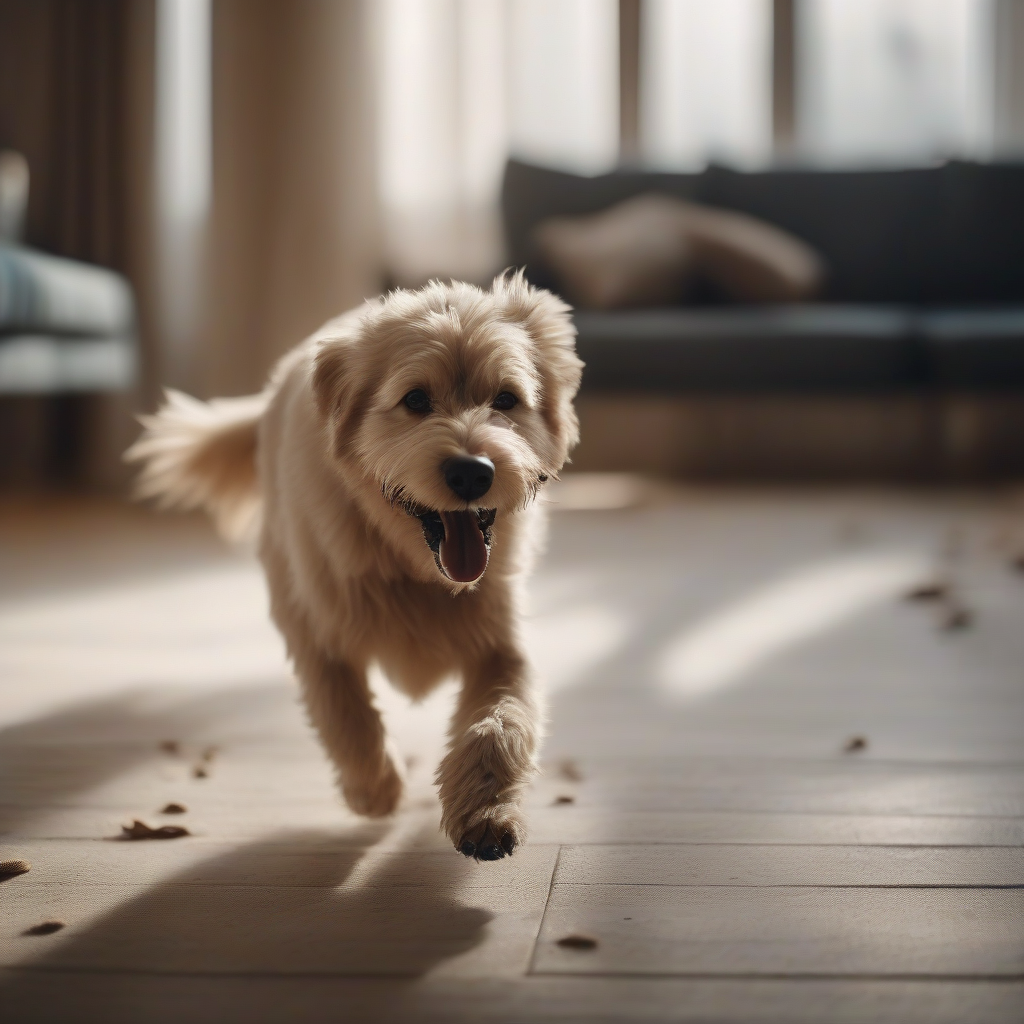
In this comprehensive guide, discover the unknown neurosensory effects of home floor textures on your dog's paw health, joint dynamics, and mental well-being with scientific data. Learn the secrets to creating an optimal living space.


Discover the types of burns your dog can suffer, the 5 insidious neurophysiological effects these burns create in the brain and body, and lifesaving emergency intervention strategies in this comprehensive guide. We shed light on the dangers behind forgotten household accidents from a scientific perspective.

Discover the neurobiological signals of hidden stress your newly adopted cat experiences during adaptation to a new social environment. This article reveals 5 insidious signs of your cat's silent struggle and scientific strategies for peaceful, long-term harmony.

Your dog's anal sacs, located beneath the tail, can be hidden alarm bells often overlooked but profoundly affecting their quality of life. In this article, you will discover the 5 insidious neurobiological effects of anal sac problems on the brain and the lifesaving care secrets you need to know for your furry friend to live a peaceful life.
Beyond being a sanctuary, our homes are micro-ecosystems that constantly affect our beloved companions' entire sensory systems. While we often focus on furniture, food bowls, or toys, we tend to overlook the hidden yet profound impact of the floor surfaces their paws touch every day. Yet, scientific research reveals that home floor textures play significant roles across a wide spectrum, from our dogs' paw health to joint dynamics, and even their cognitive and emotional states.
In this article, as WikiPet, we will delve deep into 5 neurosensory secrets of floor textures that directly impact your dog's quality of life, guided by the latest scientific data as of April 2026. Our goal is to enable our pawed friends to achieve maximum comfort, health, and happiness at home by making informed choices.
Dogs' paws are not merely organs for walking; they are also filled with highly sensitive tactile receptors that play a critical role in their perception of the environment. With each step, detailed information about the floor's texture, temperature, vibration, and slipperiness is sent to the brain. This neurosensory feedback allows the dog to maintain balance, coordinate movements, and safely assess its surroundings. Uneven or inconsistent surfaces can disrupt this 'mapping' process, leading to stress and insecurity.
Different floor textures create unique mechanical and thermal effects on your dog's paw pads and skin. Hard, rough surfaces (concrete, some tiles) can cause constant friction, leading to wear, cracks, and even open sores on paw pads. This increases the risk of infection and can lead to chronic pain. Excessively soft carpets, on the other hand, can cause irritation between the toes and accumulate allergens.
Especially in warm weather, dark-colored or highly absorbent surfaces (asphalt, some laminates) can retain heat, causing paw burns. Cold floors, with prolonged contact, can increase the risk of hypothermia. For optimal paw health, floors should be neither too abrasive nor too irritating. Such environmental allergens can trigger Your Dog's 'Invisible Skin Rebellion': 5 Insidious Inflammation Signals Triggered by Environmental Allergens and Scientific Shield Strategies! in your dog.
Slippery floors (hardwood, polished tiles) are a serious risk factor, especially for older dogs, puppies, or those with orthopedic issues. Constantly trying to maintain balance on slippery surfaces puts abnormal strain on the joints and spine. This can lead to micro-traumas, sprains in knee, hip, and spinal joints, and in the long term, accelerate degenerative joint diseases. Research indicates that slippery floors can increase anxiety levels in dogs, causing them to avoid movement. This can trigger conditions such as Your Dog's 'Invisible Spinal Crises': 5 Insidious Early Signs of Spinal Problems and Lifesaving Scientific Protection Strategies! .
Hard floors (ceramic, stone), conversely, reflect impact forces on the joints rather than absorbing them. Continuously lying or moving on hard surfaces can exacerbate pain in dogs with hip dysplasia, arthritis, and other skeletal issues. Soft, yet supportive surfaces help reduce the load on joints, contributing to a healthier life.
Floor textures have a surprisingly significant impact on your dog's mental well-being. Being able to move on a safe, non-slip, and comfortable surface increases a dog's confidence and encourages them to explore their environment freely. Slippery or uncomfortable floors, however, have the opposite effect; dogs may become reluctant to move, develop anxiety due to fear of falling, or exhibit avoidance behaviors in certain areas. This can lead to issues such as Your Dog's 'Mental Boundaries': Which Areas Indoors Trigger Subconscious Stress? 5 Neurogenic Solutions! in your dog. Behavioral scientists state that dogs behave more positively and cooperatively in areas where they feel secure. Therefore, the suitability of home floor textures directly affects their social interactions and overall mood.
Choosing the ideal flooring for your dog's health and well-being requires considering many factors. Here are some scientifically based recommendations:
Conclusion
The floor your dog walks on is not just a surface, but part of a complex neurosensory space with a profound impact on their overall health, comfort, and happiness. By consciously selecting and optimizing home floor textures, we can significantly improve the quality of life for our pawed friends, alleviate pain, and provide them with a safer, happier living space. Remember, even small details can make a big difference!
