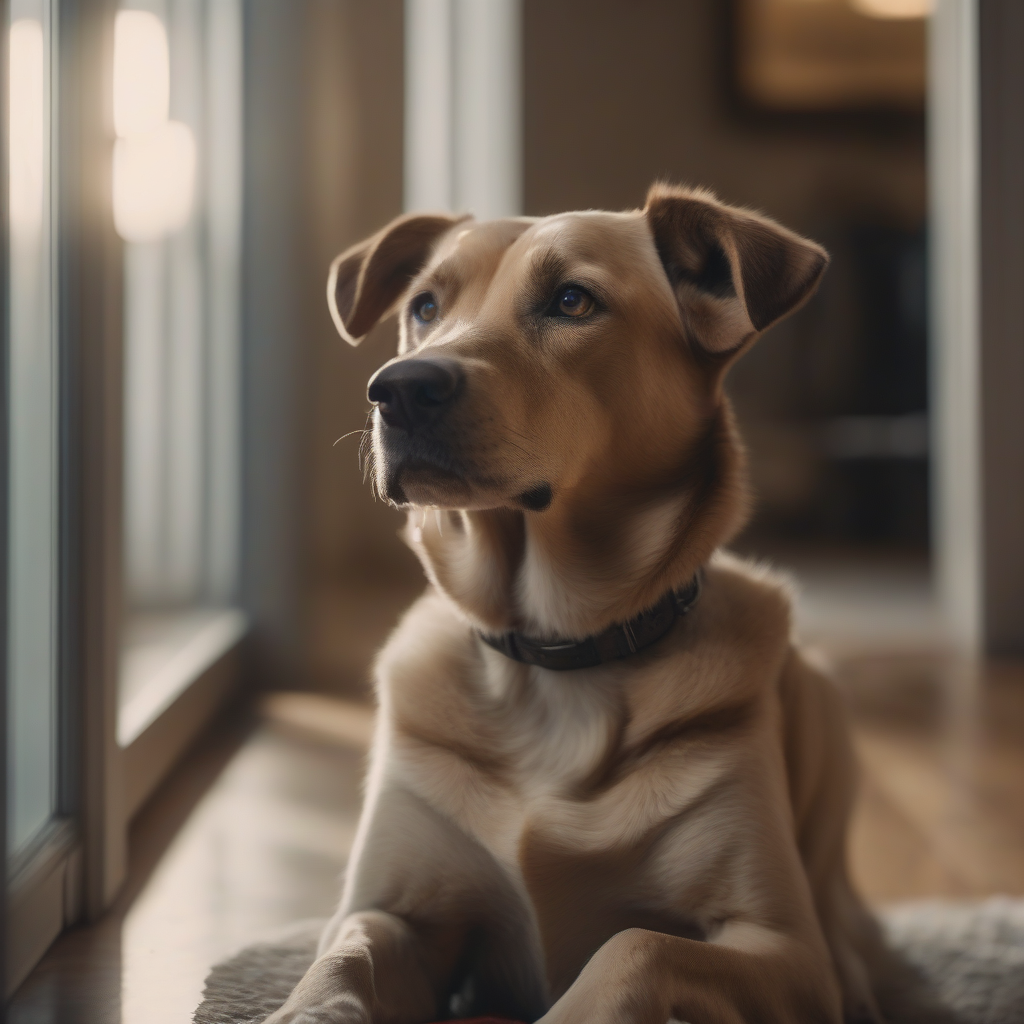
Have you ever wondered why your dog avoids certain areas or acts tense at home? This article delves into the neurogenic origins of environmental stress in dogs and how to scientifically improve their living space.


Discover the neurobiological signals of hidden stress your newly adopted cat experiences during adaptation to a new social environment. This article reveals 5 insidious signs of your cat's silent struggle and scientific strategies for peaceful, long-term harmony.

Your dog's anal sacs, located beneath the tail, can be hidden alarm bells often overlooked but profoundly affecting their quality of life. In this article, you will discover the 5 insidious neurobiological effects of anal sac problems on the brain and the lifesaving care secrets you need to know for your furry friend to live a peaceful life.
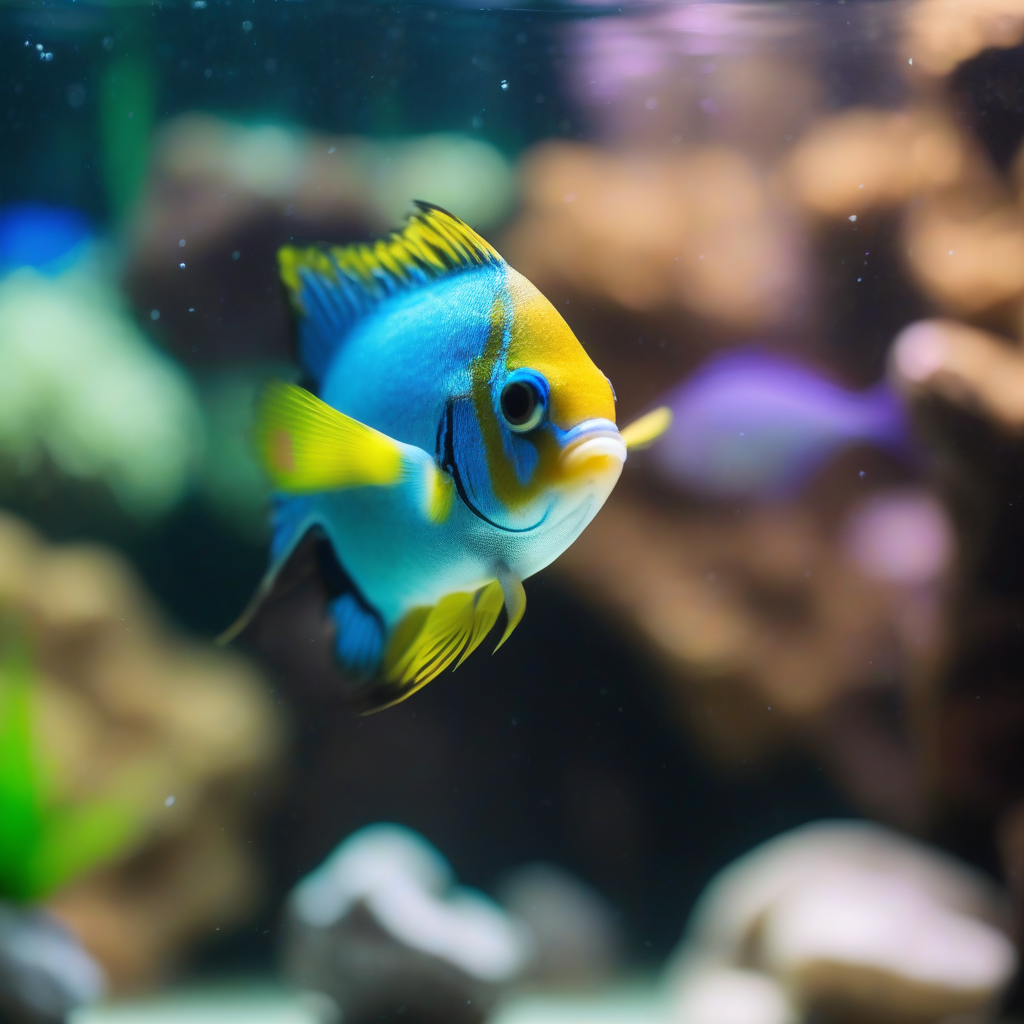
In this article, you will find comprehensive information on the insidious neurotoxic effects of heavy metal poisoning in aquarium fish, its symptoms, and lifesaving emergency intervention codes. This condition, which can arise from household water sources, improper equipment, or neglect, can severely threaten your fish's quality of life and lifespan.
Every dog owner has likely noticed their companion sometimes avoiding a particular room, acting restless by a window, or showing a tendency to hide in a specific corner. While these behaviors are often dismissed as mere stubbornness or displeasure, the underlying causes are much deeper and neurogenically rooted. As of March 2026, advancements in pet behavior science reveal how closely these 'mental boundaries' are tied to our dog's living environment. In this article, we will explore the environmental factors that trigger subconscious stress in your dog at home and examine 5 scientific, neurogenically based approaches to resolve these issues.
Dogs' hearing is far superior to ours. Ordinary sounds in our homes, such as the hum of a refrigerator, traffic noise from outside, or even the low-frequency vibrations of fluorescent lights, can create disturbing 'resonating zones' for dogs. This constant exposure can overstimulate the nervous system, leading to chronic stress. Particularly when the source or direction of these sounds is unclear, dogs may feel vulnerable. Neurologically, this situation causes the amygdala to be in a constant state of alert.
Solution: Neutralize disturbing sound frequencies using white noise machines or soundproofing materials. Additionally, it's crucial to create 'safe havens' that are quieter and more secure, where your dog can retreat from noises. This should provide not just a physical space but also an acoustically soothing environment.
Scents play a central role in how dogs perceive the world. Certain cleaning products, perfume fragrances, or even the scent molecules that older carpets release over time can trigger negative memories in a dog's brain or cause chemical sensitivities. For instance, if a dog previously had a negative experience in a room with a specific cleaning product scent, that smell can trigger anxiety upon re-exposure. This is related to how odor molecules directly reach the limbic system in the brain.
Solution: Identify scents your dog is sensitive to and opt for natural, hypoallergenic cleaning products. Improve indoor air quality through regular ventilation and prefer gentler scenting methods like plant-based air fresheners. For dogs, scent is like a map; it's important to fill this map with positive experiences.
Constantly changing visual stimuli, overly cluttered shelves, irregular furniture arrangements, or even moving shadows can lead to visual chaos for dogs. Dogs tend to perceive the world as more static and predictable. Sudden movements or complex patterns can make them feel threatened, causing them to be perpetually on guard. This leads to an overload of the visual processing areas in the brain.
Solution: Simplify the living space, making it more minimalist. Keep furniture arrangements simple and avoid frequent changes. Ensure window coverings like curtains or blinds soften sudden changes in light coming from outside. Create simple, calm visual areas where your dog can relax.
Many owners assume dogs enjoy large, spacious areas. However, if these vast spaces are too open, making the dog feel vulnerable and lacking elements to hide or feel secure, this spaciousness can turn into anxiety. Large, empty rooms or open corridors, in particular, can become 'threat zones' for dogs. This is directly related to your pet's environmental awareness and search for security. A sense of a safe zone reduces stress hormones in the brain.
Solution: Strategically use furniture to divide large spaces. Create corners that are enclosed but still offer a field of vision, where your dog can feel secure. Incorporate elements like tunnel toys or covered beds to allow your dog to create their own 'safe sanctuary'.
Peeling plaster on walls, loose wooden floorboards, furniture with sharp edges, or even just a type of carpet that causes discomfort to your dog's paws can unknowingly become a source of stress. Dogs are in constant contact with the physical elements of their environment. If these tactile inputs are negative, it can increase their general anxiety levels. Scientific research indicates that sensory receptors in the paws constantly send information to the brain, affecting the dog's comfort.
Solution: Ensure your home's flooring is comfortable and safe for your dog's paws. Soften sharp corners or use protective coverings. Regularly inspect the living area to eliminate potential physical hazards. This will help your dog feel more relaxed and secure.
Designing your dog's living space not just for aesthetics but also considering their neurobiological and psychological needs is critical for the happiness of both you and your furry companion. With these scientifically based approaches, you can break down your dog's 'mental barrier walls' at home and provide them with a peaceful living environment.
