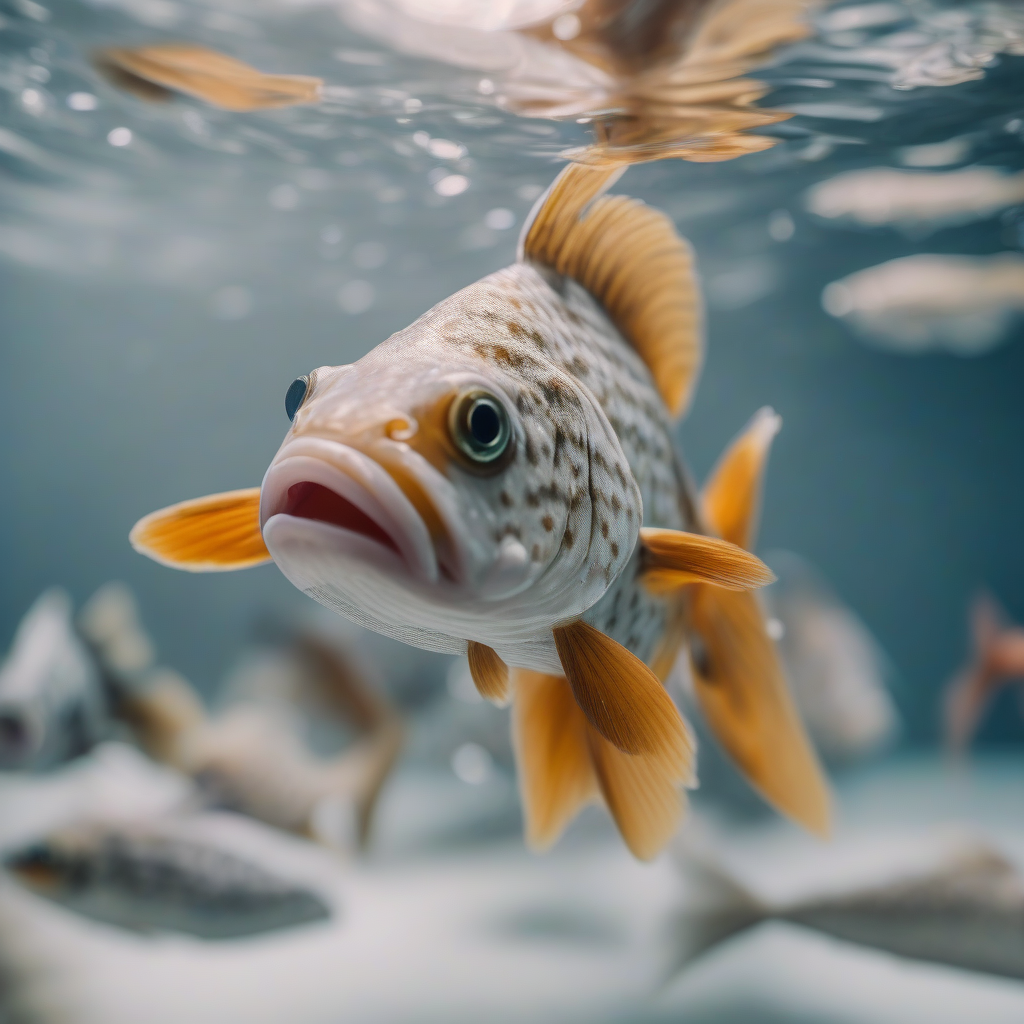
Explore the complex social interactions of fish in aquariums and their profound impact on well-being. This article delves into their 'hidden social mind' from a scientific perspective.


Discover the neurobiological signals of hidden stress your newly adopted cat experiences during adaptation to a new social environment. This article reveals 5 insidious signs of your cat's silent struggle and scientific strategies for peaceful, long-term harmony.

Your dog's anal sacs, located beneath the tail, can be hidden alarm bells often overlooked but profoundly affecting their quality of life. In this article, you will discover the 5 insidious neurobiological effects of anal sac problems on the brain and the lifesaving care secrets you need to know for your furry friend to live a peaceful life.
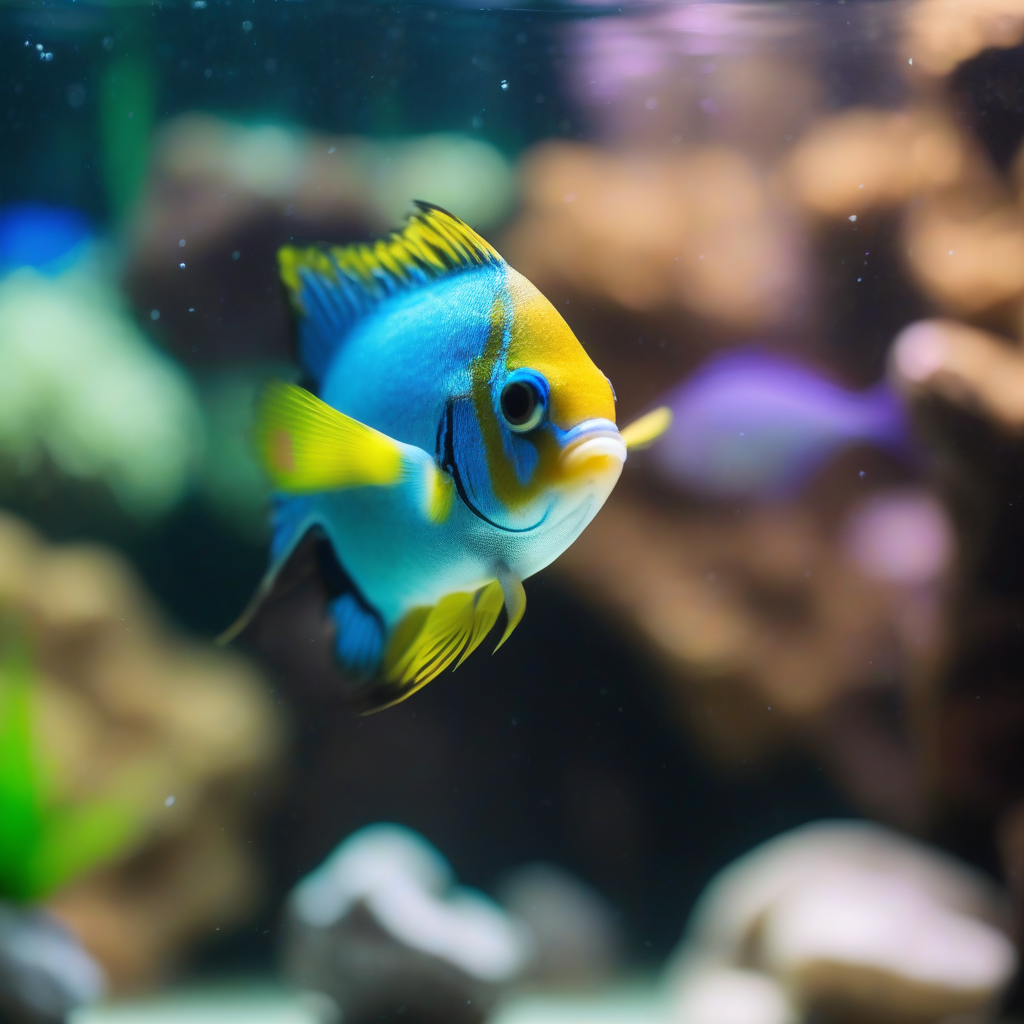
In this article, you will find comprehensive information on the insidious neurotoxic effects of heavy metal poisoning in aquarium fish, its symptoms, and lifesaving emergency intervention codes. This condition, which can arise from household water sources, improper equipment, or neglect, can severely threaten your fish's quality of life and lifespan.
Fish are often perceived as calm and observant. However, beneath this tranquil surface lies a complex web of social interactions and a finely tuned 'social mind.' The aquarium environment offers a unique window into this hidden world, allowing us to understand how fish respond to their social surroundings and the profound impact these interactions have on their cognitive and emotional health. As of March 2026, scientific research illuminates not only their basic needs but also the intricate social dynamics they navigate.
In this article, we will embark on a journey into your fish's 'hidden social mind.' We will uncover the scientific secrets behind their anonymous interactions and explore 5 critical protocols you can implement to maximize their well-being.
Many aquarium fish species establish intricate social hierarchies. These hierarchies are like an invisible dance that determines individuals' positions within the group, influencing feeding, reproduction, and even stress levels. Dominant individuals gain priority access to resources, while more passive fish learn to adapt to this hierarchy. This allows fish to develop not only a physical but also a 'social identity.'
Observing the group dynamics in your aquarium can provide significant insights into your fish's social intelligence. Aggressive behaviors, fish constantly hiding, or unexpected groupings can indicate underlying social tensions. Understanding these dynamics is critical for establishing the correct fish population size and ensuring an appropriate aquarium setup.
While fish may not communicate vocally like humans, they possess a sophisticated communication system. Body postures, fin movements, color changes, and even chemical signals (pheromones) they release are the primary ways they interact with other fish. For instance, intensified coloration often signifies reproductive intent or competition, whereas body hunching or paling can be signs of fear or stress.
Decoding these communication codes helps you understand your fish's emotional states. A fish constantly avoiding others might signal social isolation. Conversely, the repetition of specific color changes in particular social contexts can indicate a learned behavioral response. This can also be beneficial in early detection of conditions like [fish-hidden-gut-crisis-wet-tail-proliferative-ileitis), as stress and social incompatibility directly affect the digestive system.
Surprisingly, the ability for social learning has been observed among fish. Young fish can learn the location of food sources, avoid dangerous areas, or even exhibit complex social behaviors by observing more experienced individuals. This implies that the fish in your aquarium may develop a form of 'cultural' heritage passed down through generations.
This social learning mechanism plays a key role in enhancing overall aquarium well-being. For example, one fish learning how to eat a specific type of food can influence the feeding habits of the entire group. This can also help us understand the social factors underlying behaviors like food rejection, as mentioned in the article [fish-secret-scent-compass-fresh-food-rejection-indigestible-proteins-food-selection). When a new food type is introduced, acceptance rates can increase through social learning.
As with humans, cognitive stimulation is vital for brain health and overall well-being in fish. Social interactions serve as a significant source of cognitive stimulation for fish. Interacting with other fish triggers decision-making processes, strengthens their memory, and enhances problem-solving skills.
Therefore, keeping fish not only in sufficient numbers but also in appropriate social groups supports their cognitive development. Insufficient social interaction can lead to a condition similar to [fish-mental-hunger-syndrome), resulting in apathy, stress, and even behavioral disorders. This highlights that fish require not just nutritional but also 'social sustenance.'
To nourish your fish's hidden social mind and maximize their well-being, implement the following 5 critical protocols:
Each fish species has different social needs. Some are schooling fish and thrive in groups of at least 6-10 individuals. Others are more territorial or solitary. Research your species' natural behavior to house them in appropriate numbers and social groupings. Overcrowding or isolation can trigger stress and aggressive behaviors.
When designing your aquarium, consider social interaction alongside aesthetics. Hiding places, visual barriers, and open swimming areas allow fish to maintain individual spaces while also facilitating social interaction. This is analogous to spatial perception in living beings, as discussed in [cat-hidden-spatial-perception-environmental-obstacles-scientific-solutions); fish also secure their 'spatial' and 'social' territories.
Regularly observe your fish's behavior. Note any unusual changes such as aggressive behavior, constant hiding, pallor, or rapid gill movements. These changes can be early indicators of an underlying stressor or social incompatibility. As indicated in [fish-hidden-ion-sea-electrolyte-imbalance-deadly-signs-scientific-intervention), sudden stressors can rapidly threaten fish health.
Periodically change your aquarium's layout. Add new plants, rearrange decorations, or introduce different hiding spots. This sparks your fish's curiosity, provides cognitive stimulation, and breaks monotony. This approach, similar to the benefits of environmental enrichment discussed in [cat-hidden-hunter-arena-environmental-enrichment-neuroscience-stress), supports the mental health of fish.
When introducing a new fish to your aquarium, manage the process carefully. Quarantine the new fish and introduce it gradually to the existing ones. This helps the new individual adapt to the social hierarchy and allows the existing fish to adjust to a new social dynamic. A sudden social shock can be as abrupt and devastating as osmotic shock, as described in [fish-hidden-osmotic-shock-salt-imbalance-lifesaving-interventions].
In conclusion, your fish's social mind is indispensable for their physical health and overall well-being. Understanding their hidden world and integrating this knowledge into your aquarium care practices will allow you to create a much happier and healthier aquarium ecosystem.
