
Discover the deep neurological secrets behind your cat's repetitive behaviors. In this article, you will learn about the effects of your cat's working memory on training and the scientific reasons for their recurring actions.


Discover the neurobiological signals of hidden stress your newly adopted cat experiences during adaptation to a new social environment. This article reveals 5 insidious signs of your cat's silent struggle and scientific strategies for peaceful, long-term harmony.

Your dog's anal sacs, located beneath the tail, can be hidden alarm bells often overlooked but profoundly affecting their quality of life. In this article, you will discover the 5 insidious neurobiological effects of anal sac problems on the brain and the lifesaving care secrets you need to know for your furry friend to live a peaceful life.
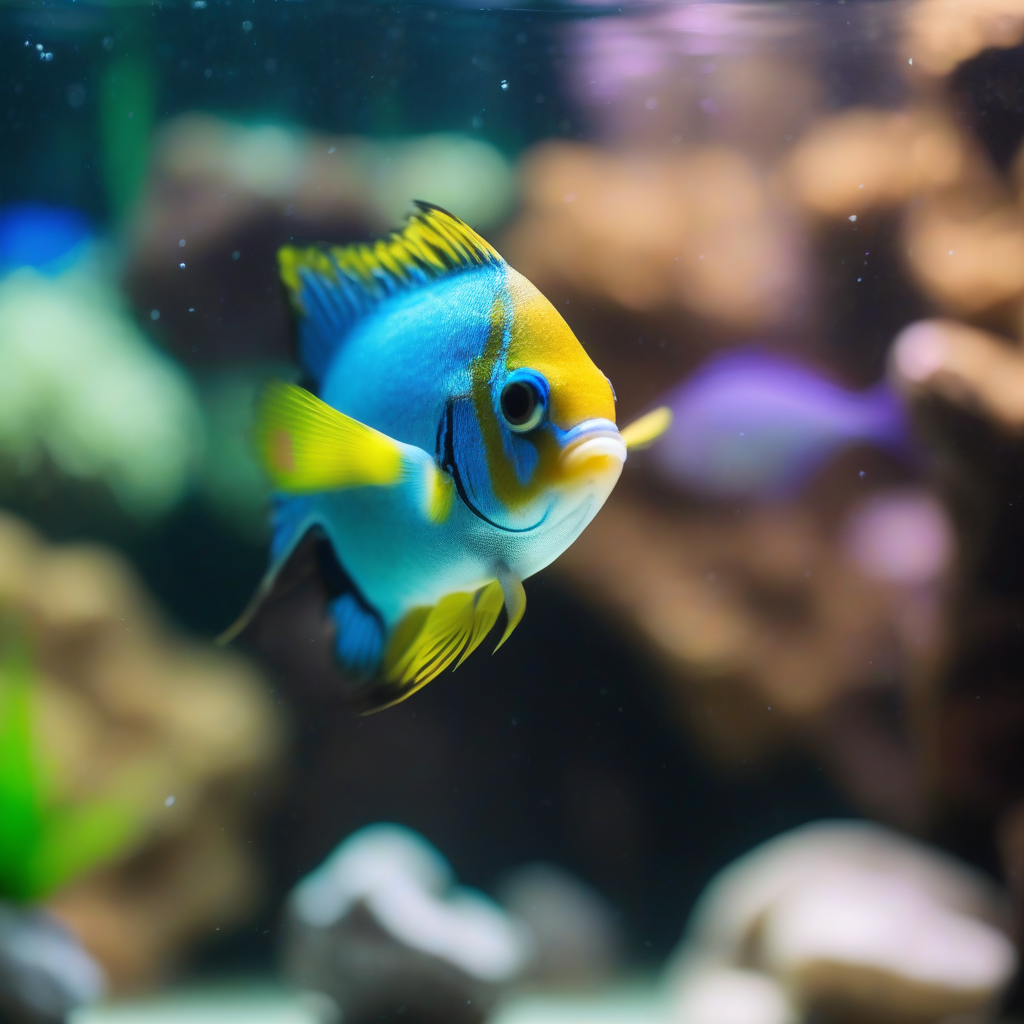
In this article, you will find comprehensive information on the insidious neurotoxic effects of heavy metal poisoning in aquarium fish, its symptoms, and lifesaving emergency intervention codes. This condition, which can arise from household water sources, improper equipment, or neglect, can severely threaten your fish's quality of life and lifespan.
The intelligence and learning capacity of our feline companions have always been fascinating. Cats, in particular, with their independent nature and complex behavioral patterns, constantly pique the curiosity of scientists and animal lovers. So, what are the scientific facts behind why your cat makes you do the same thing repeatedly? Why does it insist on waiting by a specific food bowl, why does it always want to watch outside from the same window, or why does it never stop playing with a particular toy?
The origin of these behaviors lies in the cat's highly developed, yet often overlooked, 'working memory.' Working memory is a subset of short-term memory, essential for performing immediate tasks, processing information, and acting upon that information. The power of working memory in cats is a determinant factor in everything from their hunting strategies to their social interactions.
When we think of cat training, methods typically applied to dogs might first come to mind. However, cats' learning processes are based on a completely different neurological foundation. Working memory plays a central role in cats acquiring new skills, understanding commands, and even adapting to environmental changes. The reason a cat repeats a certain behavior is not just a habit, but also a manifestation of its working memory recalling the outcome of an action and acting with the motivation to achieve that outcome again.
This also explains why cats adhere so strictly to certain routines and the distress they show when these routines are disrupted. For example, once a cat develops a habit of eating at a specific time, its memory will continuously direct it towards that food bowl. This isn't solely about hunger; it's also about its working memory labeling this action as 'successful' and 'rewarding.'
Understanding the working memory mechanisms behind your cat's repetitive behaviors can help you strengthen your bond with it and manage unwanted behaviors. Here are 5 scientific keys that illuminate this mystery:
Cats, through their working memory, strongly associate an action with its outcome. If a behavior (e.g., making a specific sound) resulted in a desired outcome (receiving food, affection), the cat will record this action in its mind as 'successful.' This feedback loop increases the likelihood of the cat performing the same action repeatedly. This also highlights why positive reinforcement is so crucial in cat training. For instance, the reward a cat receives for obeying a command helps to engrave that command more deeply into its working memory. This aligns with methods that can assist you in training your cat, such as those in the article Your Cat's Hidden 'Obedience Resistance': The Medication Nightmare and 5 Neurocognitive Training Secrets!.
Cats can trigger their working memory with specific environmental cues. A particular scent, sound, or visual clue can evoke a past experience or behavior in the cat's mind. For example, the smell of the food bowl's location can cause the cat to automatically head there. This is closely related to cats' spatial memory. Understanding how they process these environmental cues allows us to utilize information from articles like Your Cat's Hidden Spatial Perception: Secret Environmental Obstacles and 5 Scientific Solutions for a Peaceful Habitat. These connections explain the cat's tendency to consistently do the same thing because that environmental cue repeatedly revives its memory.
Working memory plays a key role in repetitive learning processes. The more frequently a cat performs a behavior, the more persistent that behavior becomes in its working memory. This is not a 'use it and forget it' principle, but rather a 'use it and remember it' principle. Cats tend to repeat an action to reinforce a skill or behavior. This is particularly important during training sessions. Encouraging a cat to repeat a behavior strengthens its working memory and helps automate the behavior.
Cats' working memory is not limited to logical actions; it also encompasses emotional experiences. Emotions such as love, security, or even anxiety that a cat feels towards its owner can be associated with specific actions. For instance, the happiness a cat experiences when playing with its owner can motivate it to repeat that game. These emotional connections further strengthen a cat's recurring behaviors. As mentioned in the article Your Cat's Hidden 'Social Code': 5 Critical Neuroscientific Secrets for Adapting to a New Home, these social and emotional bonds play a significant role in learning processes.
Understanding the motivational sources underlying why cats consistently do the same thing using their working memory is key to breaking or managing this cycle. These motivations range from basic needs (food, water, sleep) to social interactions, hunting instincts, and the desire for play. If a cat constantly seeks a specific toy, it means its working memory has recorded the pleasure derived from that play, and it wants to re-experience that pleasure. In training and behavior management, by correctly understanding and channeling these motivational sources, we can direct the cat's working memory towards more beneficial or new behaviors. For example, the recommendations in the article Your Cat's 'Hidden Hunter Arena': Neurocognitive Secrets of Environmental Enrichment at Home and 5 Scientific Strategies to Eliminate Hidden Stress! are an excellent starting point for utilizing these motivations positively.
Understanding why your cat consistently does the same thing enhances the depth of the bond you share. Grasping the scientific principles of working memory plays a critical role not only in training but also in ensuring its overall well-being and happiness. Remember, every behavior of your cat is the result of a complex neurological and psychological process. By understanding these processes, we can better embrace their world and build a more meaningful relationship with them.
