
Your dog's anal sacs, located beneath the tail, can be hidden alarm bells often overlooked but profoundly affecting their quality of life. In this article, you will discover the 5 insidious neurobiological effects of anal sac problems on the brain and the lifesaving care secrets you need to know for your furry friend to live a peaceful life.

Your dog's anal sacs, located beneath the tail, can be hidden alarm bells often overlooked but profoundly affecting their quality of life. In this article, you will discover the 5 insidious neurobiological effects of anal sac problems on the brain and the lifesaving care secrets you need to know for your furry friend to live a peaceful life.
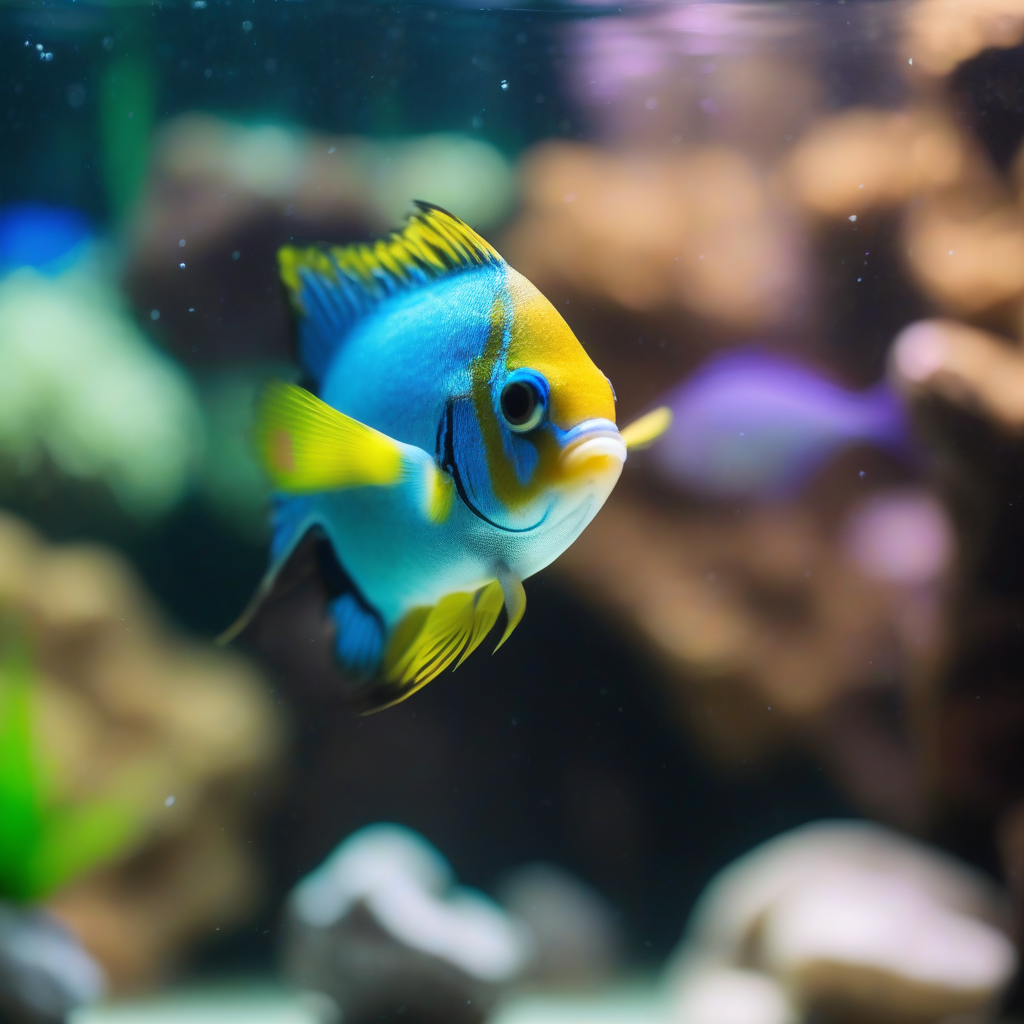
In this article, you will find comprehensive information on the insidious neurotoxic effects of heavy metal poisoning in aquarium fish, its symptoms, and lifesaving emergency intervention codes. This condition, which can arise from household water sources, improper equipment, or neglect, can severely threaten your fish's quality of life and lifespan.

In this article, you will discover how fish make foraging decisions under predator threat, the neurocognitive secrets behind this process, and aquarium design tips to reduce stress in their environment.
Beneath your dog's tail, the small, pea-sized anal sacs are crucial structures often overlooked or unnoticed by owners, yet they can have profound effects on your dog's overall health and mood. These sacs produce a fluid containing pheromones that carry your dog's unique 'identity,' which is normally expressed during defecation. However, when this natural process is disrupted, the resulting anal sac problems can lead not only to physical pain but also trigger a series of insidious neurobiological effects in your dog's brain, profoundly impacting their behavior, mood, and quality of life.
As WikiPet in September 2026, we aim to shed light on how intimately connected your dog's anal sac health is with their mental well-being from a scientific perspective. In this comprehensive guide, we will explore the 5 hidden neurobiological effects that anal sac problems create in your dog's brain and the lifesaving care secrets you can implement to ensure your furry friend lives a comfortable, happy life.
Anal glands are two small sacs located on either side of the dog's anus, at approximately the 4 and 8 o'clock positions. These glands produce a brownish fluid with a strong, characteristic odor. Normally, this fluid is expelled with feces when the dog defecates, serving for scent marking. However, in some dogs (especially small breeds, overweight dogs, or those experiencing chronic diarrhea/constipation), the sacs may not empty properly. This can lead to impaction, inflammation (sacculitis), and even abscess formation. This discomfort triggers much more than just localized pain in the anal region.
Common signs of anal sac issues include scooting (dragging their bottom on the ground), excessive licking or biting at the anus, difficulty sitting, pain or discomfort during defecation, and sometimes swelling or redness around the anus. Beyond these physical indicators, however, changes occurring in the brain can lead to more complex behavioral problems.
Anal sac discomfort affects your dog's central nervous system through chronic pain and irritation, triggering various neurobiological responses:
Impaction or inflammation of the anal sacs is a constant source of discomfort and pain. This chronic pain continuously stimulates the brain's pain-sensing regions and increases levels of stress hormones like cortisol in the body. Elevated cortisol levels over-activate your dog's hypothalamic-pituitary-adrenal (HPA) axis, creating a perpetual 'fight or flight' state. As detailed in the article Your Dog's 'Silent Stress Learning': 5 Insidious Neurocognitive Effects of Cortisol in Training and Scientific Solutions for Lasting Success!, this can reduce learning ability, negatively affect memory, and lead to a decline in overall cognitive functions.
Chronic pain and stress can cause significant changes in your dog's normal behavior patterns. A dog experiencing discomfort may become more irritable, snappy, or withdrawn. They might show disinterest in activities they once enjoyed, growl, or be prone to biting. This situation, similar to the anxiety discussed in Your Dog's 'Silent Expectation Clock': 5 Insidious Neurobiological Effects of Separation Anxiety on the Brain and Scientific Secrets for Peaceful Reunions!, negatively impacts your dog's social interaction and adaptability through similar neurobiological pathways.
Ongoing anal sac pain, even at night, can prevent your dog from entering deep, restorative sleep. Insufficient sleep disrupts the brain's resting and repair processes. This leads to excessive fatigue during the day, difficulty concentrating, and a general slowdown in cognitive functions. The brain's inability to rejuvenate negatively affects problem-solving abilities and emotional regulation.
Anal sac infections or abscesses can cause systemic inflammation. This inflammation can affect the digestive system, leading to loss of appetite, weight loss, or conversely, excessive eating behavior in search of comfort. Negative impacts on the gut microbiome can directly influence cognitive functions via the 'gut-brain axis.' This can trigger neuroinflammatory responses, similar to those described in Your Dog's Brain's 'Hidden Panic': 5 Insidious Neuroinflammatory Effects of Pancreatitis and Lifesaving Emergency Intervention Codes!, reducing overall well-being.
A dog in pain and discomfort may avoid interaction with other dogs or people. They may show reluctance to play or go for walks. Furthermore, excessive licking or biting at the anal area can lead to secondary skin infections, creating an additional source of discomfort. This can cause your dog to withdraw from their social life and feel emotionally isolated. The pain experienced, especially when attempting to clean the area after defecation, can even restrict natural hygiene behaviors.
Preventing and resolving your dog's anal sac problems is vital for their mental and physical health:
Your dog's anal sac health is a topic that should not be overlooked for their overall well-being and mental vitality. Chronic pain and discomfort can affect the brain's complex neurobiological processes, leading to severe declines in your furry friend's behavior, mood, and quality of life. Regular veterinary check-ups, proper nutrition, and vigilance for symptoms are key to ensuring your dog lives a peaceful and happy life free from anal sac problems. Remember, a healthy body is the foundation of a healthy mind.
