
In this article, you will discover the insidious neurobiological effects of hidden chemical additives and preservatives found in processed dog foods on brain health, and learn the right nutritional choices for your furry friend.

In this article, you will discover the insidious neurobiological effects of hidden chemical additives and preservatives found in processed dog foods on brain health, and learn the right nutritional choices for your furry friend.

In this article, you will discover how to build a deep, lifelong bond with your hamster, the scientific secrets to understanding their unique neurocognitive profiles, and ways to avoid common mistakes.
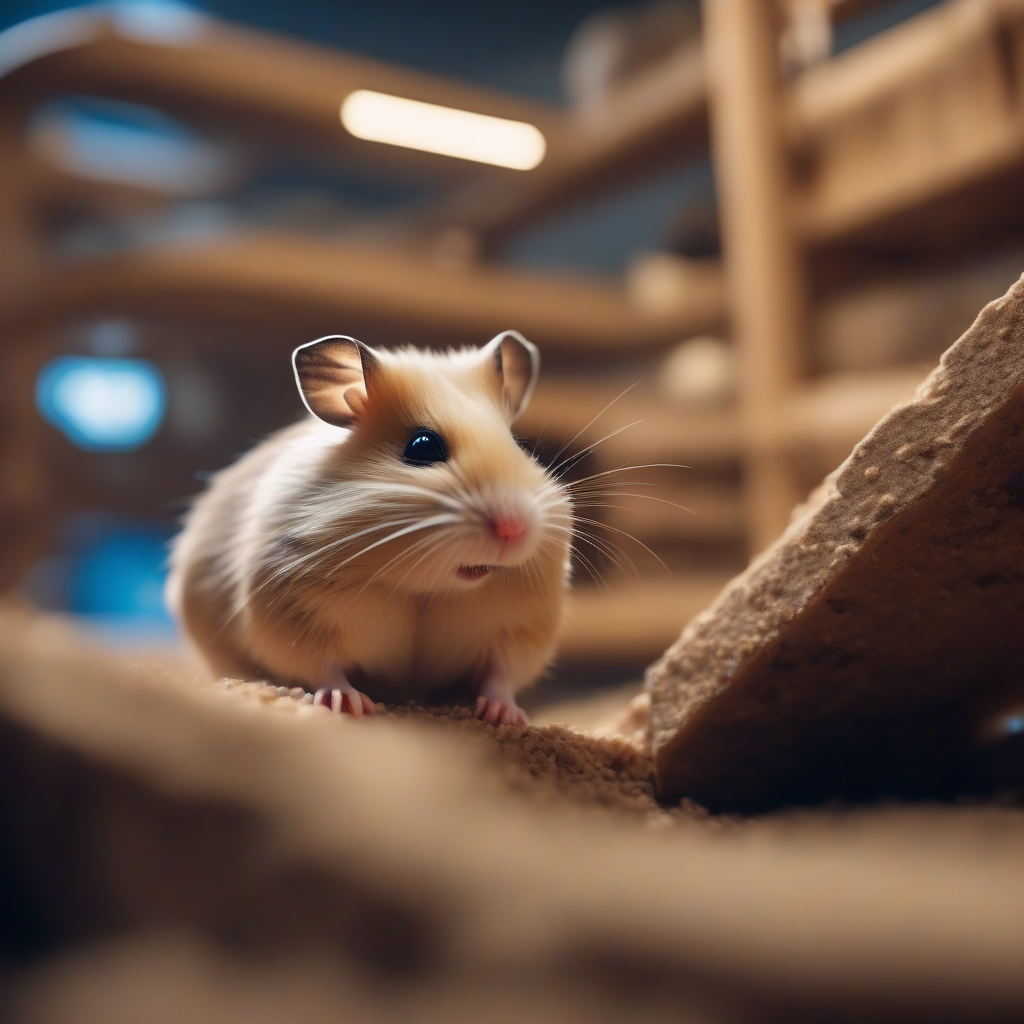
In this article, you will discover the critical role of environmental complexity in your hamster's habitat for their mental health, the insidious neurobiological effects of insufficient stimulation on the brain, and optimal mental enrichment strategies with scientific secrets.
The health and happiness of our beloved companions are among our top priorities. The food we provide forms the foundation of this equation. However, with the conveniences of the modern age, the dog food industry has undergone a significant evolution. Various processed foods gracing the shelves can sometimes subtly threaten our friends' brain health with their 'secret chemical whispers.' These whispers can lead to a wide range of neurobiological effects, from behavioral problems to cognitive decline. So, what exactly are these invisible enemies in your dog's food bowl, and how do they affect their brain? Let's delve into these 5 insidious neurobiological effects and healthy nutrition secrets in the light of scientific data.
Artificial colorings, flavorings, and preservatives commonly found in processed dog foods can silently impact your dog's brain chemistry. Specifically, colorings like tartrazine (E102), sunset yellow (E110), or preservatives like BHT, BHA, can disrupt the balance of neurotransmitters responsible for communication between nerve cells. Fluctuations in levels of chemicals like serotonin, dopamine, and norepinephrine can lead to problems such as anxiety, hyperactivity, difficulty concentrating, and even aggressive behaviors in your dog. Research indicates that animals exposed to such additives may experience reduced learning capacity and increased behavioral inconsistencies when combined with metabolic processes like Your Dog's Brain's 'Hidden Hunger Symphony'.
Poor-quality ingredients, excessively processed carbohydrates, and certain artificial preservatives can cause chronic low-grade inflammation in your dog's body. This inflammation can occur systemically as well as in brain tissue. Excessive activation of microglial cells in the brain leads to increased oxidative stress. Oxidative stress is characterized by free radicals damaging cells and can impair nerve cell function, accelerating cognitive decline. In the long term, this condition can trigger early stages of age-related cognitive dysfunction, similar to Your Dog's 'Mental Labyrinth'.
Your dog's gut microbiome affects much more than digestion; it is in direct communication with its brain. Synthetic components, low-quality fibers, and artificial sweeteners in processed foods can disrupt the balance of beneficial bacteria in the gut. This condition, called dysbiosis, can increase gut permeability, allowing harmful substances to enter the bloodstream and then the brain. This disruption in the gut-brain axis can lead to neurobiological effects such as mood swings, anxiety, depression-like symptoms, and even reduced learning ability. For the healthy functioning of this axis, Your Dog's Brain's 'Hidden Fiber Codes' are of great importance.
Chemicals found in some processed foods can have potential endocrine-disrupting properties. These compounds can mimic or disrupt your dog's hormonal system, affecting the normal functioning of the thyroid and adrenal glands. For example, substances found in certain packaging, such as BPA, or residues of certain pesticides, can cause changes in thyroid hormone and cortisol levels. Thyroid hormones are critical for brain development and cognitive functions. Imbalances in these hormones can lead to physical symptoms such as lethargy, weight gain, hair loss, as well as cognitive slowing and behavioral changes, even forming the basis of conditions seen as Your Dog's 'Silent Thyroid Whispers'.
The cumulative effect of artificial additives, inflammation, gut dysbiosis, and hormonal imbalances can lead to a severe decline in your dog's overall behavior and cognitive abilities. Dogs exposed to such foods for extended periods may exhibit learning difficulties, disinterest in their environment, obsessive-compulsive behaviors, and even early cognitive dysfunction symptoms. This not only reduces their quality of life but can also negatively affect their bond with their owners. The brain needs balanced and natural nutrients to function healthily; 'chemical whispers' from processed foods can fundamentally shake this balance.
The most important thing you can do to protect your dog from 'secret chemical whispers' in their food bowl is to make conscious choices about their nutrition. Here are some scientific secrets:
Every bite you put in your dog's food bowl directly affects not only their physical health but also their cognitive functions and behavior. By being aware of 'secret chemical whispers' and making the right nutritional choices, you can help your companion live a longer, healthier, and happier life. Remember, a healthy brain is the key to a happy dog.
