
In this article, you will discover the hidden inflammation signals triggered by environmental allergens threatening your dog's skin health and scientific protection strategies.


Discover the neurobiological signals of hidden stress your newly adopted cat experiences during adaptation to a new social environment. This article reveals 5 insidious signs of your cat's silent struggle and scientific strategies for peaceful, long-term harmony.

Your dog's anal sacs, located beneath the tail, can be hidden alarm bells often overlooked but profoundly affecting their quality of life. In this article, you will discover the 5 insidious neurobiological effects of anal sac problems on the brain and the lifesaving care secrets you need to know for your furry friend to live a peaceful life.
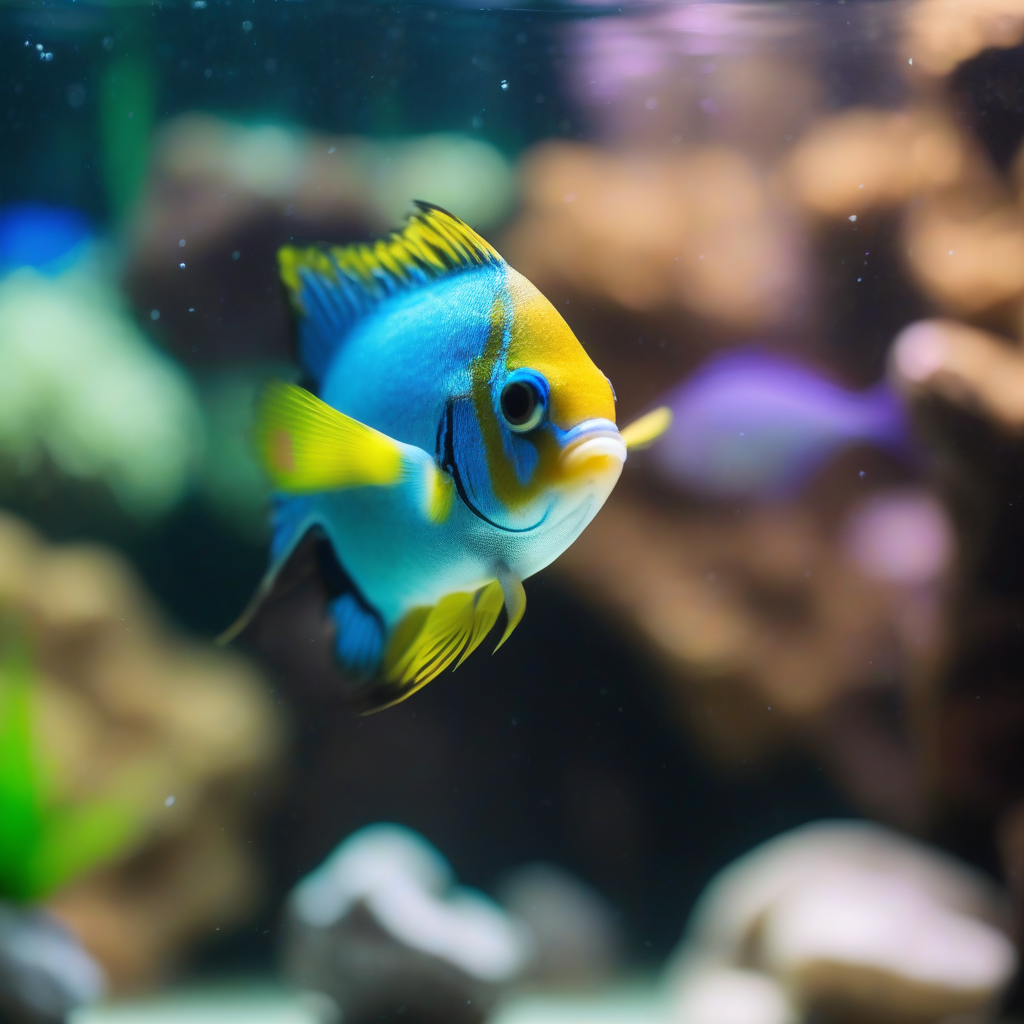
In this article, you will find comprehensive information on the insidious neurotoxic effects of heavy metal poisoning in aquarium fish, its symptoms, and lifesaving emergency intervention codes. This condition, which can arise from household water sources, improper equipment, or neglect, can severely threaten your fish's quality of life and lifespan.
In the lives of our beloved companions, even the most apparent health issues can sometimes begin 'invisibly'. Skin problems, in particular, are often dismissed by owners as simple symptoms like itching or shedding, yet a deep underlying inflammatory process might be at play. As of March 2026, the latest scientific advancements in veterinary medicine allow us to understand how environmental allergens your dog is exposed to can lead to a silent rebellion in their skin health, diminishing their quality of life. In this article, we will uncover the scientific secrets behind your dog's 'invisible skin rebellion,' identify 5 insidious inflammation signs triggered by environmental allergens, and present scientific shield strategies to protect your furry friend's skin.
Your dog's skin is the first line of defense against the outside world. Environmental allergens like pollens, dust mites, and mold spores attempt to breach this barrier through air or direct contact. While a healthy skin barrier keeps allergens out, sensitive skin can overreact to these assaults. This overreaction marks the beginning of a complex biological process we know as inflammation.
Your dog's skin has a complex structure composed of lipids such as ceramides, fatty acids, and cholesterol. These lipids maintain the skin's moisture balance and prevent allergens, bacteria, or fungi from penetrating the skin. Genetic predisposition, nutritional deficiencies, or chronic stress can weaken this barrier. A weakened barrier becomes more permeable to allergens, triggering the inflammatory cascade.
When the skin barrier is breached, your dog's immune system kicks in. Mast cells release chemicals like histamine, leading to itching, redness, and swelling. With chronic exposure, this response can turn into a vicious cycle, leaving the skin in a constant state of inflammation. This not only causes physical discomfort but can also affect your dog's overall well-being. It is important to remember that the importance of antioxidants and phytonutrients is significant for general health and the immune system.
The symptoms of inflammation triggered by environmental allergens can sometimes be so insidious that they are easily overlooked by owners or attributed to other causes. Here are 5 critical signs to watch out for:
Your dog constantly licking or biting its paws, while often associated with dirty or dry paws, is one of the most common signs of itching due to environmental allergens. Redness and dampness, especially between the toes and at the base of the nails, are clear indicators of inflammation. This behavior can also trigger subconscious stress by pushing your dog's mental boundaries.
Redness, itching, dark discharge, and a foul odor inside the ear are often attributed to fungal or bacterial infections. However, these infections are frequently a consequence of an underlying environmental allergy. Inflammation in the skin alters the delicate environment of the ear canal, creating a fertile ground for microbes to thrive.
A sudden onset of unpleasant body odor or skin that becomes oilier than usual in your dog can be an indicator of overactive sebaceous glands due to inflammation. This can lead to an imbalance in the skin's microbiota, inviting secondary infections.
A shiny and healthy coat is a mirror of good skin health. Inflammation can affect hair follicles, causing the coat to become dull, break easily, and shed more than usual. This can also be linked to nutritional deficiencies, as micronutrient deficiencies can lead to insidious fatigue and coat problems.
Slight redness, small rashes, or pimple-like structures, especially in less visible areas like the belly, armpits, and groin, can be early signs of inflammation developing against environmental allergens. These areas may come into more frequent contact with allergens, and inflammation can progress more easily due to lack of air circulation.
A holistic approach is required to protect your dog's skin health and halt the 'invisible skin rebellion':
Minimizing environmental allergens in the home is essential. Regularly vacuuming, dusting, using HEPA air purifiers, and frequently washing your dog's bedding will reduce exposure to pollen, mites, and mold spores. Wiping your dog's paws and coat with a damp cloth after outdoor activities is also beneficial.
Skin health is directly linked to proper nutrition. Omega-3 and Omega-6 fatty acids (especially EPA and DHA) strengthen the skin's barrier function and reduce inflammation. High-quality proteins, antioxidants (Vitamin E, Vitamin C), and minerals like zinc also support skin regeneration. Furthermore, considering the effects of the gut microbiome on shedding and behavior, a healthy gut flora is also critically important for skin health.
If you notice any of the above symptoms, consult your veterinarian without delay. Accurate diagnosis (allergy tests, skin scrapes, cultures) is vital for establishing an appropriate treatment plan. Treatment may include antihistamines, topical creams, immunotherapy (allergy shots), or specialized diets.
Remember, your dog's skin is a reflection of its overall health. Early detection of the 'invisible skin rebellion' triggered by environmental allergens and combating it with scientific strategies will help your companion lead a long, healthy, and happy life. Be observant, take proactive steps, and always consult a specialist if in doubt.
