
In this article, you will discover the scientific secrets to choosing the most appropriate food for your dog based on their age, breed, activity level, and health status. Going beyond general advice, we delve into personalized nutrition strategies to ensure your furry friend lives a long and healthy life.


Discover the neurobiological signals of hidden stress your newly adopted cat experiences during adaptation to a new social environment. This article reveals 5 insidious signs of your cat's silent struggle and scientific strategies for peaceful, long-term harmony.

Your dog's anal sacs, located beneath the tail, can be hidden alarm bells often overlooked but profoundly affecting their quality of life. In this article, you will discover the 5 insidious neurobiological effects of anal sac problems on the brain and the lifesaving care secrets you need to know for your furry friend to live a peaceful life.
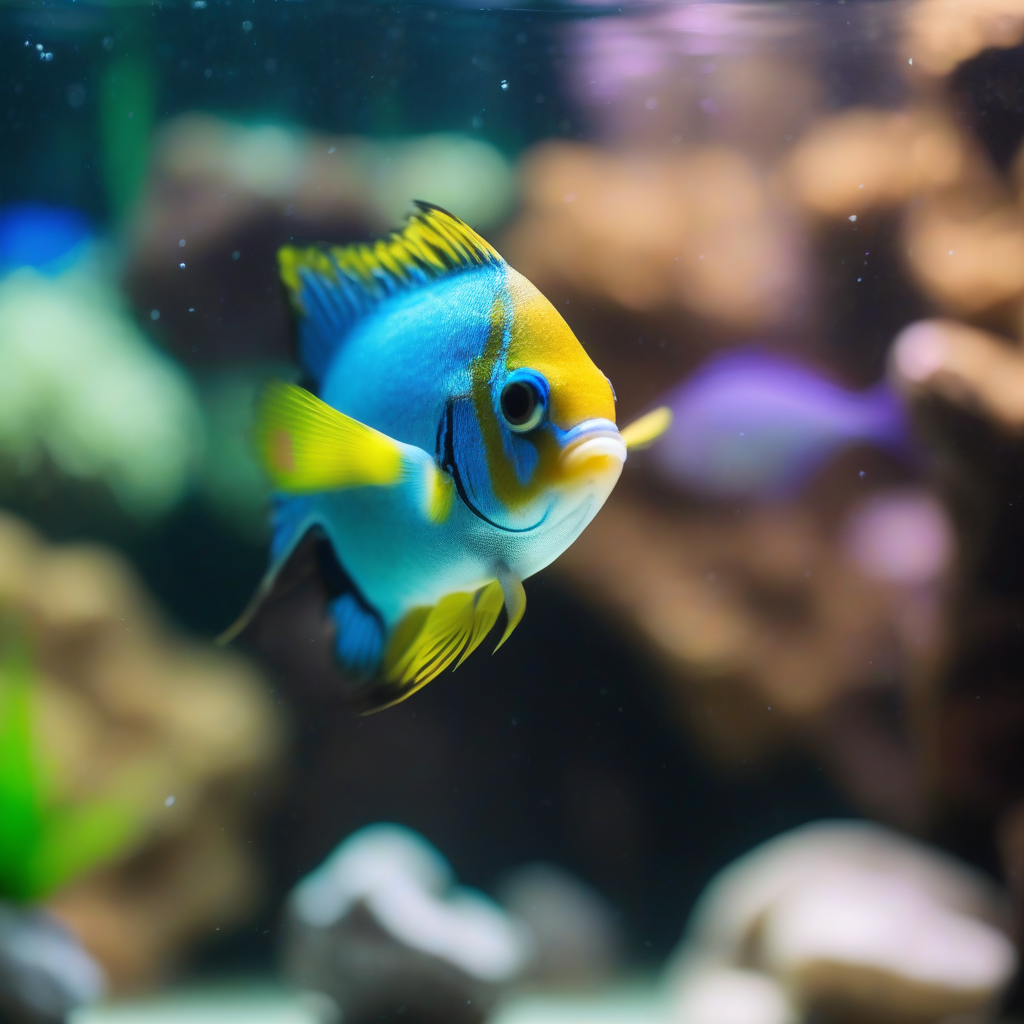
In this article, you will find comprehensive information on the insidious neurotoxic effects of heavy metal poisoning in aquarium fish, its symptoms, and lifesaving emergency intervention codes. This condition, which can arise from household water sources, improper equipment, or neglect, can severely threaten your fish's quality of life and lifespan.
Our canine companions are not just housemates; they are living beings with unique physiological and genetic makeups. Each dog's nutritional needs are as unique as a fingerprint. Going beyond generic food recommendations and creating a "personalized nutrition map" for your furry friend is the key to their living a long, healthy, and happy life. As of March 2026, pet nutrition science is moving away from one-size-fits-all solutions, focusing instead on personalized approaches that consider each dog's genetic heritage, age, activity level, and even environmental factors. In this article, we will delve into 5 scientific secrets that will help you choose the right food to meet your dog's specific needs.
Different dog breeds have developed unique physiological characteristics and corresponding nutritional requirements over thousands of years of selective breeding. For instance, large breeds (German Shepherds, Labrador Retrievers) need foods rich in glucosamine and chondroitin to support joint health, and controlled energy to promote slow growth. Small breeds (Chihuahua, Yorkshire Terrier), due to their high metabolic rates, prefer more energy-dense and smaller kibble. Some breeds (e.g., Boxers or German Shepherds) may be genetically more predisposed to certain food sensitivities or digestive weaknesses. Therefore, reviewing scientific research on your dog's breed-specific nutritional profile provides the right starting point. This not only ensures the correct nutrient ratios but also plays a critical role in preventing potential health issues.
Your dog's nutritional needs dynamically change throughout their life.
A dog's daily energy expenditure directly impacts its nutritional needs.
Some dogs with chronic health issues or specific sensitivities require fundamental changes in their nutritional approach.
When choosing the highest quality, personalized food, it's essential to read ingredient labels with a scientific eye.
Creating the most suitable "personalized nutrition map" for your dog requires detailed research and careful consideration. Remember that every dog's metabolism is different, and the best nutrition strategy must be specifically adapted to your dog's age, breed, activity level, health status, and lifestyle. Your veterinarian is your most reliable guide in this process. Through regular veterinary check-ups and nutritional counseling, you can create the ideal feeding plan for your furry friend, gifting them a healthy, energetic, and long life.
