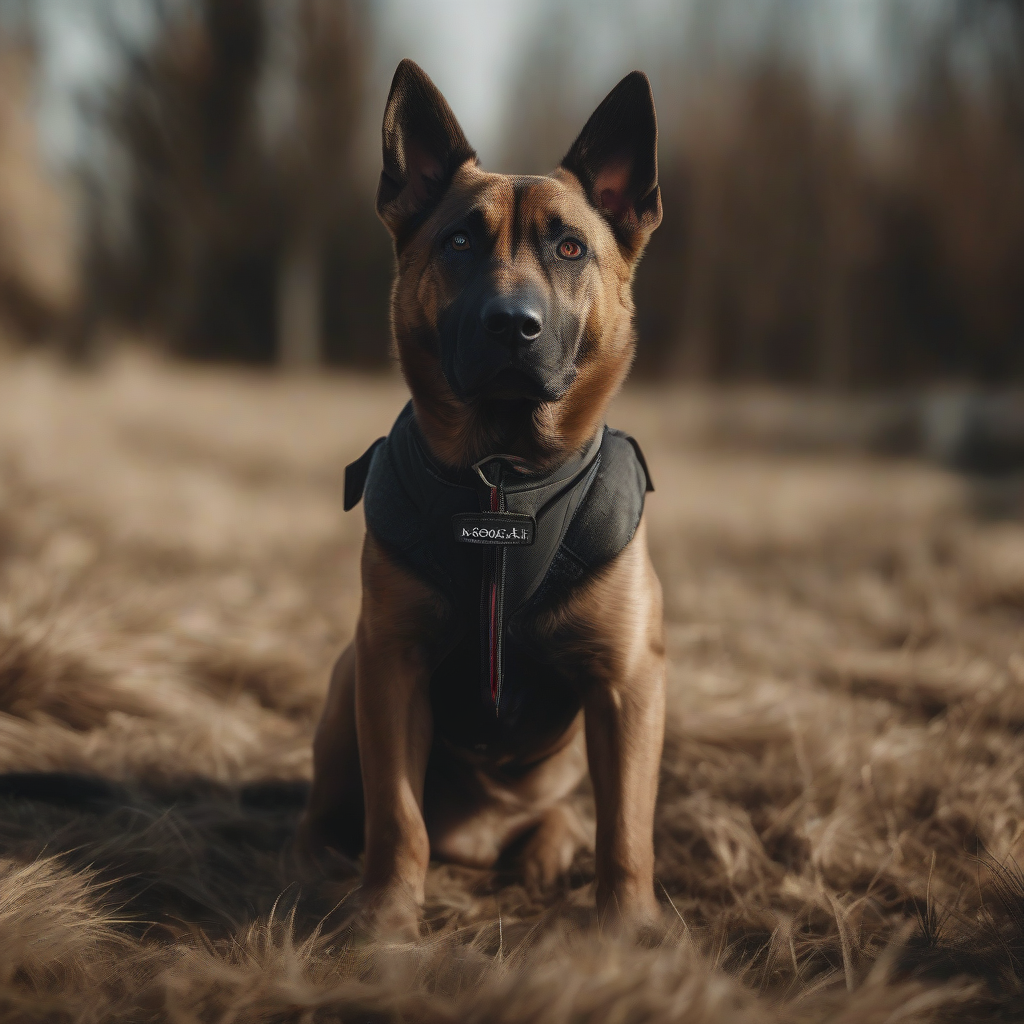
In this article, you will find comprehensive information on 5 insidious and often overlooked early signs of spinal problems in dogs, along with scientific strategies you can implement to protect your furry friend's spinal health.


Discover the types of burns your dog can suffer, the 5 insidious neurophysiological effects these burns create in the brain and body, and lifesaving emergency intervention strategies in this comprehensive guide. We shed light on the dangers behind forgotten household accidents from a scientific perspective.

Discover the neurobiological signals of hidden stress your newly adopted cat experiences during adaptation to a new social environment. This article reveals 5 insidious signs of your cat's silent struggle and scientific strategies for peaceful, long-term harmony.

Your dog's anal sacs, located beneath the tail, can be hidden alarm bells often overlooked but profoundly affecting their quality of life. In this article, you will discover the 5 insidious neurobiological effects of anal sac problems on the brain and the lifesaving care secrets you need to know for your furry friend to live a peaceful life.
The health of our beloved companions depends on our ability to hear their silent cries. Spinal health, in particular, is critically important for dogs, yet early-stage problems are often overlooked and attributed to innocent causes like old age or fatigue. However, spinal issues can lead to chronic pain and neurological damage that profoundly affects your dog's quality of life. As a veterinarian, in this article, I will detail 5 insidious early signs of spinal problems in dogs and the scientific protection strategies you can implement to prevent or manage these crises.
A dog's spine is the central supportive structure of the body; it protects the spinal cord, which connects the brain and nervous system. Any problem in the spine can lead not only to physical pain but also to restricted movement, neurological dysfunctions, and a significant decrease in quality of life. Spinal diseases such as disc degeneration are more common in long-backed breeds like Dachshunds, Basset Hounds, and French Bulldogs, or those with genetic predispositions. However, dogs of any breed and age can experience spinal issues due to improper movements, trauma, or the aging process. Here are 5 insidious signs that often go unnoticed:
If your dog plays less, is reluctant to go for walks, or exhibits a general state of lethargy, it doesn't just indicate old age or tiredness. Spinal pain can prevent them from enjoying daily activities, leading to noticeable behavioral changes. A previously energetic dog suddenly becoming lazy, avoiding stairs, or refusing to jump on the couch can be a strong signal of discomfort in their spine. Your dog's mental boundaries can also be affected by physical pain, leading to overall stress and unhappiness.
Dogs experiencing spinal pain find ways to avoid movements that trigger it. They move more cautiously, carry their tails lower, or refuse to lie in certain positions. These changes may be subtle at first but become more apparent over time.
Avoiding ball games, long walks, or other physical activities is a significant symptom of spinal pain. Like your dog's insidious fatigue code, this can indicate an underlying health issue contributing to their decreased energy.
If your dog reacts suddenly when lightly touched on the spinal area, whimpering, trying to bite, or showing discomfort, it's a clear indication of pain or sensitivity in that region. A dog that previously enjoyed being petted exhibiting such behavior is a serious warning sign. This situation can reflect an unseen but internally felt pain, similar to the discomfort humans experience with invisible oral damage.
When spinal nerves are compressed or inflamed, a dog's tolerance to touch decreases, and they overreact to stimuli that would normally not be painful.
A dog in pain may become more aggressive or irritable out of self-preservation instinct. This is, in fact, a cry for help.
Limping, dragging a paw, unsteady walking, loss of coordination, or an abnormal back posture (e.g., hunched back) are among the most obvious physical signs of spinal problems. Difficulty going up and down stairs, trouble jumping into the car, or slowness in getting up from rest are also situations that should be noted.
Spinal pain or damage causes a dog to distribute its body weight unevenly, leading to gait abnormalities. This can also negatively impact other joints in the long term.
Avoiding the use of certain muscle groups due to pain eventually leads to atrophy (wasting) and weakness in these muscles, further exacerbating balance problems.
Chronic pain can directly affect a dog's appetite. Some dogs may refuse to eat due to pain, while others may overeat for comfort. Weight gain can worsen the situation by increasing the load on the spine. Weight loss, on the other hand, can be an indicator of chronic pain and general malaise.
Constant pain can affect a dog's metabolism, altering energy levels and appetite. This condition can also negatively impact the absorption of nutrients, which serve as your dog's invisible shield for overall health.
Optimal nutrition is essential for the repair and maintenance of spinal tissues. Loss of appetite or improper nutrition due to pain can slow down the healing process.
Spinal problems, especially when they put pressure on the spinal cord, can affect the nerves that control bladder and bowel function. This can manifest as urinary incontinence, difficulty defecating, or sudden changes in potty habits. If your dog suddenly starts having accidents in places they never did before, it could be a signal of physical discomfort. The gut microbiome, acting as your dog's secret second brain, can also be affected by such systemic impacts.
Spinal cord damage disrupts the transmission of nerve signals controlling the bladder and bowel, leading to malfunctions in these critical functions.
If you notice one or more of these insidious signs, it is vital to consult your veterinarian without delay. Early diagnosis ensures more successful management of most spinal problems. Here are scientifically proven protection strategies:
Regular veterinary check-ups play a key role in maintaining spinal health. Your veterinarian can detect potential problems at an early stage with a detailed physical and neurological examination. If necessary, imaging methods such as X-rays, MRI, or CT can be used to make a definitive diagnosis.
Maintaining your dog's ideal weight reduces unnecessary load on the spine, decreasing the risk of disc degeneration and other spinal problems. Excess weight is a significant stress factor for the spine.
Low-impact exercises, such as swimming and controlled walks, strengthen spinal muscles while reducing stress on the joints. Avoiding excessive jumping, quick turns, or hard landings is important to protect the spine.
Ensuring non-slip floors (using carpets or mats), providing ramps or steps to facilitate access to high places, and offering orthopedic beds help protect your dog's spine. These small changes can significantly reduce daily stress on the spine.
With your veterinarian's recommendation, supplements such as glucosamine, chondroitin sulfate, MSM, and omega-3 fatty acids can support joint and spinal health and reduce inflammation. Specific prescription diets may also be beneficial in some cases.
Physical therapy, hydrotherapy (underwater treadmill), massage, laser therapy, and specific exercises can be highly effective for dogs with spinal problems in increasing muscle strength, reducing pain, and restoring mobility. Rehabilitation programs can accelerate post-operative recovery or play a significant role in non-surgical management.
Your dog's spinal health is a vital factor for them to live a long and happy life. Carefully observing the insidious signs mentioned above and consulting your veterinarian at the slightest suspicion is critical for early diagnosis and effective intervention. Remember, your careful observation and proactive care are the keys to your companion having a pain-free and comfortable life.
