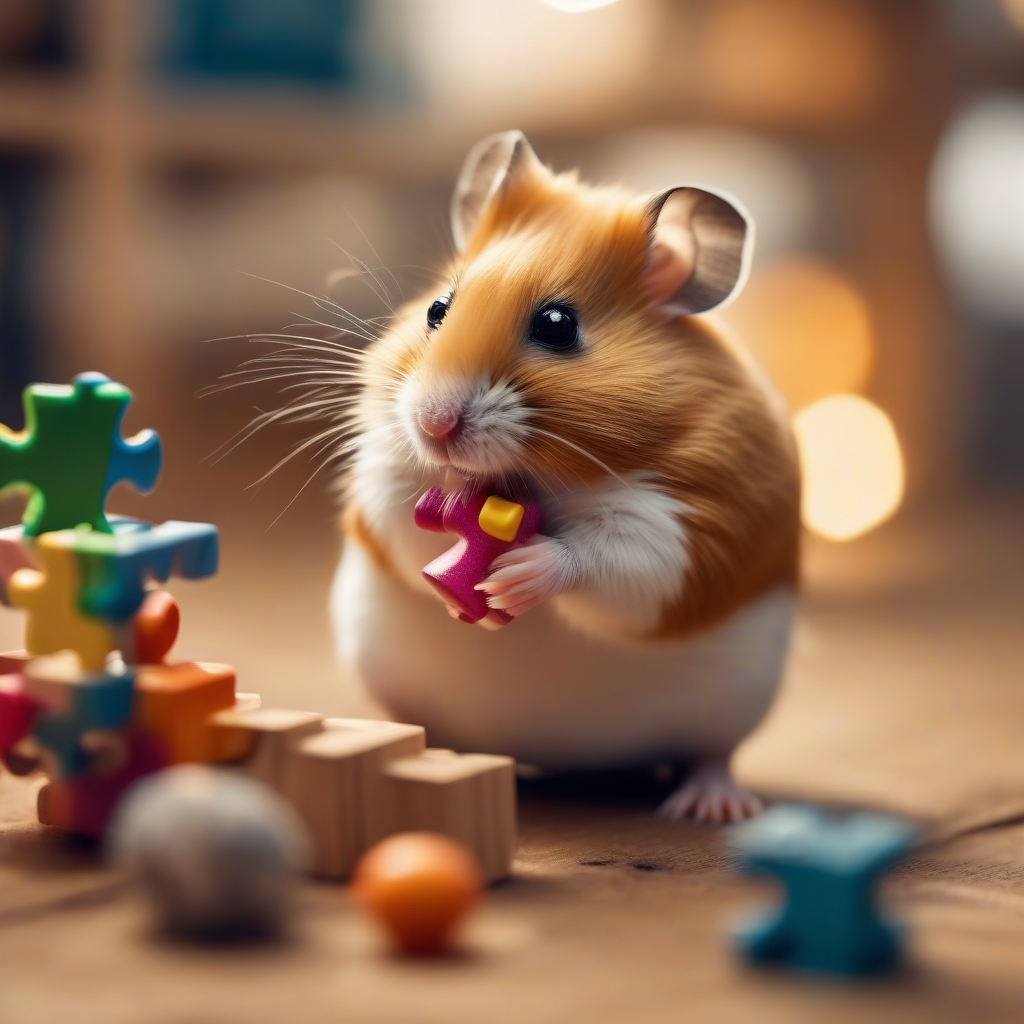
Curious how to boost your hamster's mental capacity? In this article, you'll discover 5 neurocognitive training secrets that enhance problem-solving skills and scientifically unleash your adorable friend's hidden potential.


Discover the neurobiological signals of hidden stress your newly adopted cat experiences during adaptation to a new social environment. This article reveals 5 insidious signs of your cat's silent struggle and scientific strategies for peaceful, long-term harmony.

Your dog's anal sacs, located beneath the tail, can be hidden alarm bells often overlooked but profoundly affecting their quality of life. In this article, you will discover the 5 insidious neurobiological effects of anal sac problems on the brain and the lifesaving care secrets you need to know for your furry friend to live a peaceful life.
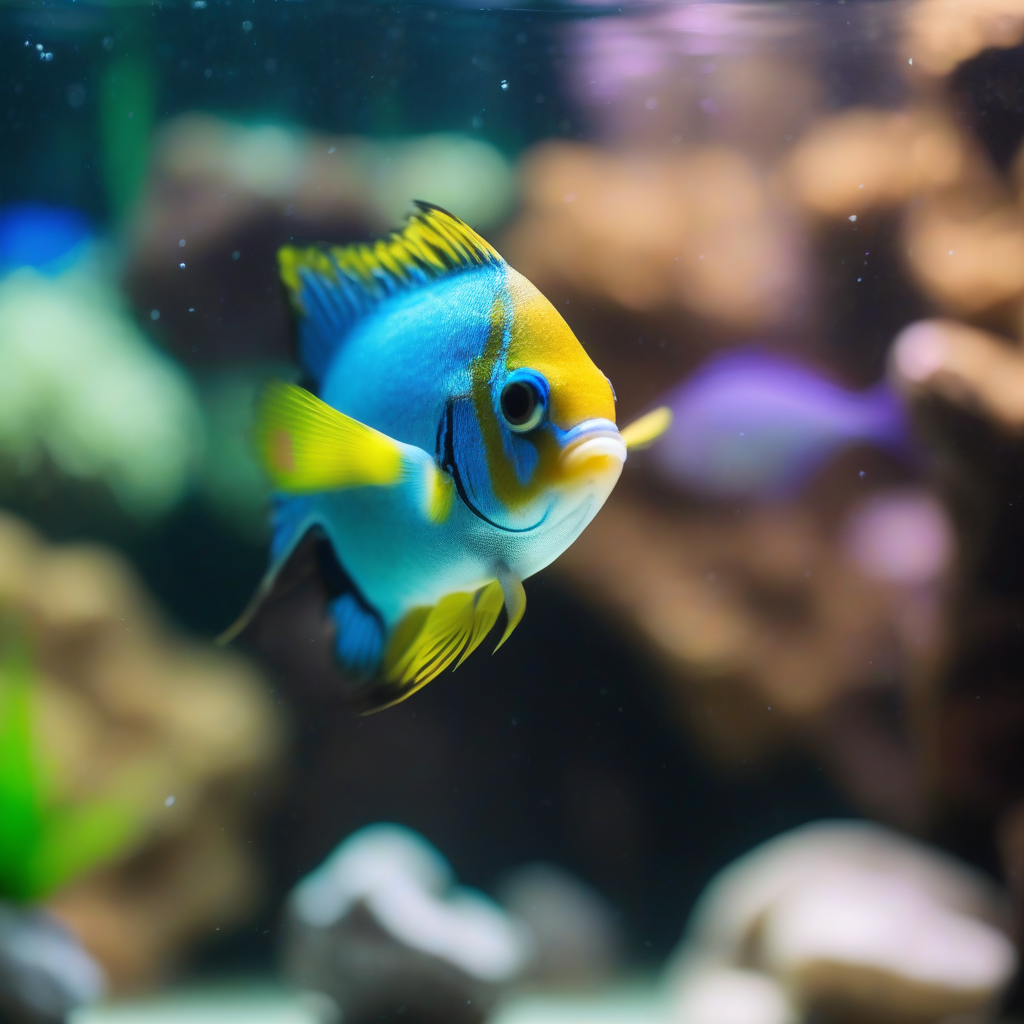
In this article, you will find comprehensive information on the insidious neurotoxic effects of heavy metal poisoning in aquarium fish, its symptoms, and lifesaving emergency intervention codes. This condition, which can arise from household water sources, improper equipment, or neglect, can severely threaten your fish's quality of life and lifespan.
Our tiny friends, hamsters, possess a surprisingly complex mental world for their size. While often seen as merely adorable creatures running in their cages and hoarding food, with the right approach, they can exhibit incredible problem-solving abilities. As of March 2026, the latest advancements in pet science are helping us understand hamsters' cognitive capacities and provide them with a richer life. In this article, we will delve into 5 neurocognitive training secrets that will unlock your hamster's mental potential and enhance their problem-solving skills.
One of hamsters' strongest senses is, without a doubt, their sense of smell. Scientific studies show how they learn their environment through scent maps and retain these maps in their memory for long periods. Utilizing scent memory in training can enable your hamster to learn more complex tasks. For instance, teaching them to follow a specific scented path to a reward or to distinguish objects associated with different scents directly activates their problem-solving abilities. This stimulates their natural exploratory instincts and keeps them mentally engaged. Even anxiety or biting during adaptation to a new home, as discussed in Your Hamster's 'Invisible Defense Shield': 5 Neurocognitive Secrets Behind Biting and Avoidance in New Home Adaptation!, can be mitigated through scent-based trust-building. Establishing this fundamental trust is critical for training success.
As with all living beings, the foundation of learning in hamsters lies in reward mechanisms. Positive reinforcement is the most effective method for reinforcing desired behaviors. However, this is not limited to merely giving rewards; the timing, type, and frequency of the reward determine how it activates the brain's dopamine system. When your hamster successfully completes a task, the release of dopamine motivates them to repeat that behavior. This neurobiological process accelerates learning and ensures the behavior becomes lasting. In-depth analyses, such as Your Hamster's 'Secret Scent Compass': Why Does It Reject Fresh Food? Scientific Secrets of Indigestible Proteins and 5 Groundbreaking Strategies for Food Selection!, can guide you in choosing rewards. The article Your Rabbit's 'Secret Reward Map': 5 Neurocognitive Secrets of Positive Reinforcement in the Brain and Scientific Strategies to Accelerate Training!, which examines the details of positive reinforcement for rabbits, can also inspire you with general principles.
An enriched living environment directly impacts your hamster's brain's cognitive flexibility and problem-solving abilities. A monotonous cage environment leads to a decrease in neuronal connections, while an environment offering varied textures, hiding places, tunnels, and climbing areas keeps the brain active. As stated in Your Hamster's 'Invisible Architectural Needs': 5 Neurocognitive Secrets of Habitat Enrichment and Stress-Eliminating Designs!, complex habitats encourage their natural behaviors and ensure they are constantly learning new things. These enriched environments help them grasp and solve tasks given during training more easily. Their brains adapt by being continuously exposed to new stimuli, which increases their learning capacity.
Hamsters make micro-decisions, especially under stress, and these decisions profoundly affect their learning processes. High stress levels suppress prefrontal cortex functions in the brain, reducing problem-solving ability. Providing a calm and predictable environment during training sessions helps your hamster relax and be more receptive to learning. Our article, Your Hamster's 'Invisible Decision Tree': Scientific Secrets of Micro-Decisions Under Stress and 5 Cognitive Ways to Eliminate Anxiety!, offers detailed information on the cognitive effects of stress and strategies to reduce anxiety. During training, patience, a gentle approach, and short sessions will maximize learning efficiency by keeping stress levels to a minimum.
In neurocognitive training, consistency and variety are essential. Short, regular training sessions ensure that learned information is consolidated in the brain. However, it is also important to offer new and varied tasks to prevent the brain from becoming accustomed to monotony and to maintain cognitive flexibility. Different types of puzzles, new skills, and environmental changes (safely implemented) strengthen your hamster's neuronal connections and allow them to develop problem-solving strategies. You can also gain interesting insights into the learning dynamics of different species from articles such as Your Bird's 'Hidden Observer Mind': Neurobiological Secrets of Mimicry and 5 Scientific Strategies to Accelerate Training!, which discusses mimicry abilities and training acceleration strategies in birds. Your hamster's mental health is as important as their physical health, and these types of training approaches contribute to them leading happier and richer lives.
Conclusion
Do not underestimate your hamster's mental potential. By applying the 5 neurocognitive training secrets outlined above, you will not only teach them new skills but also enhance their problem-solving abilities, support their mental well-being, and strengthen the bond between you. Remember that every hamster is an individual, and patience, observation, and positive reinforcement are key to exploring the mental map of these fascinating companions.
