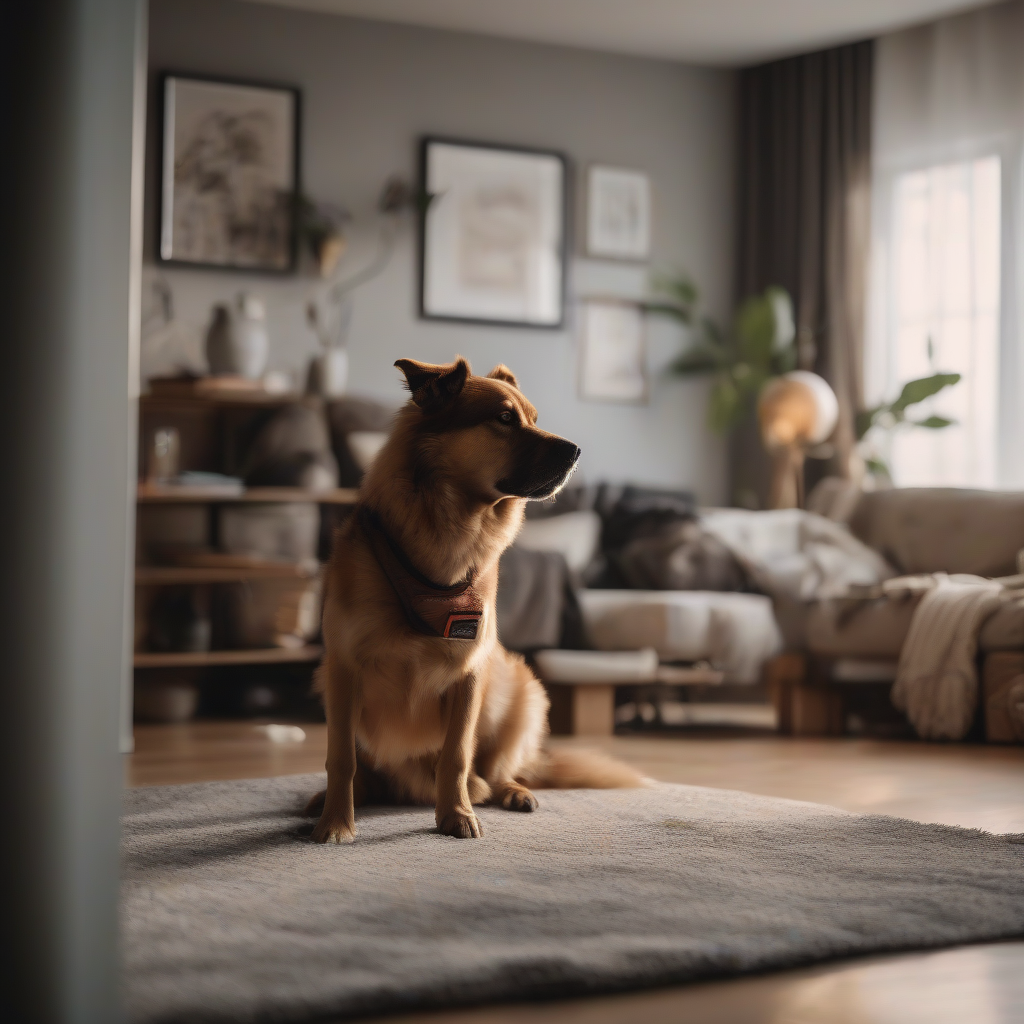
In this article, we will deeply examine how your dog perceives their living space at home and how this perception affects their stress levels. By identifying 5 invisible areas in your home, you will learn scientific ways to create a more peaceful environment for your dog.


In this article, you can discover the scientific secrets to understanding your cat's undesirable habits, deciphering the neurocognitive mechanisms in their brain, and establishing lasting new routines.

Discover the types of burns your dog can suffer, the 5 insidious neurophysiological effects these burns create in the brain and body, and lifesaving emergency intervention strategies in this comprehensive guide. We shed light on the dangers behind forgotten household accidents from a scientific perspective.

Discover the neurobiological signals of hidden stress your newly adopted cat experiences during adaptation to a new social environment. This article reveals 5 insidious signs of your cat's silent struggle and scientific strategies for peaceful, long-term harmony.
Our beloved canine companions deserve our homes to be their safest and most peaceful haven. However, without realizing it, certain elements in our homes can cause subconscious stress in them. This stress can sometimes lead to behavioral issues or general unease. So, what are these 'secret space shields,' and how can we create a calmer living space for our dogs?
In their natural instincts, it's important for dogs to feel secure with their backs and sides enclosed. However, from a dog's perspective, an open space in the middle of a room, with everything exposed, can create a perception of potential threat. This situation can lead to them being constantly on alert and feeling vulnerable. This can be even more pronounced in dogs who have previously experienced a traumatic event.
To help your dog relax, offer them 'observation points.' This could be a cushion by the window or a raised bed. Additionally, create 'safe corners' in the house, slightly separated from other areas, where they can feel secure. These areas act as not only a physical but also a psychological barrier, making them feel more protected. For more information on this, you can refer to our article titled Your Dog's 'Hidden Space Perception': Decode How 5 Hazardous Voids at Home Trigger Stress!.
The floor beneath their paws plays a critical role in how your dog perceives the world. Slippery and smooth floors can challenge the balance, especially for older dogs or those with joint issues, leading to a sense of insecurity. Conversely, excessively hard floors can also cause discomfort. Both scenarios can reduce their desire to move and increase their stress levels.
Provide comfortable and secure flooring for your dog's paws and joints. Rugs, carpets, or non-slip mats can be excellent supports, especially when placed over slippery surfaces. By using a combination of different textures (e.g., a soft bed in the middle of an area, with a firmer but textured mat on the sides), you can enrich their sensory experience and help them feel more balanced. For details, check out our article Your Dog's Secret Paw Print: 5 Neurosensory Secrets of Home Floor Textures on Paws, Joints, and Mind!.
Not every corner of our home is the same temperature. Sudden temperature changes or constant drafts of cold or warm air in specific areas can disrupt your dog's thermal comfort. This forces them into a constant effort to regulate their body temperature, which consumes energy. Especially for sensitive dogs, this thermal stress can increase overall anxiety levels.
Ensure that the areas where your dog sleeps and rests are at a consistent temperature year-round. Regularly check your room thermostat and, if necessary, use a heater or fan to minimize temperature differences. For outdoor areas where your dog spends time, provide shade or windbreaks. This helps them conserve energy and feel more comfortable. Our article Your Cat's Hidden Thermal Map: 5 Neurocognitive Secrets to Managing Comfort and Stress with Micro-Climate Zones at Home! also contains useful information regarding thermal sensitivities in cats and dogs.
Bad odors, besides being unpleasant for humans, are also a significant source of stress for dogs. Trash cans, dirty litter boxes, or unpleasant smells in certain areas of the house negatively impact their sensory system. Dogs perceive the world through their sense of smell, and this sensory bombardment can cause them to feel a constant sense of discomfort.
Maintain cleanliness in your home and regularly disinfect your dog's living areas. Ensure that trash cans have lids and always keep litter areas clean. By using pleasant-smelling diffusers or natural odor eliminators, you can make the living space more inviting. This helps them feel more at ease and avoid constant tension. The article Your Dog's 'Silent Chaos': 5 Insidious Games of Secret Space Manipulation at Home and Scientific 'Boundary' Setting for Calmness! further details the effects in this regard.
Sudden and loud noises at home (doorbells, vacuum cleaner sounds, loud music, etc.) can be frightening for dogs. These sounds trigger their instinct to flee or hide. Constant exposure to such noises can increase overall stress and anxiety levels. Dogs, especially sensitive ones, can be more reactive to these auditory stimuli.
Ensure that the areas where your dog rests or sleeps are quieter. When using noisy household appliances, you can take your dog to a different room or play calming music for them. Some research has shown the calming effect of classical music or nature sounds specifically designed for dogs. This helps them feel more peaceful. For more information on your dog's auditory sensitivities, review our article Your Dog's Invisible Stressor: Neurobiological Effects of Hidden Household Noise Pollution and 5 Scientific Strategies for Calmness!.
By recognizing these invisible space shields and implementing scientific solutions, you can significantly improve your dog's quality of life at home, creating a safer, more peaceful, and happier environment for them.
