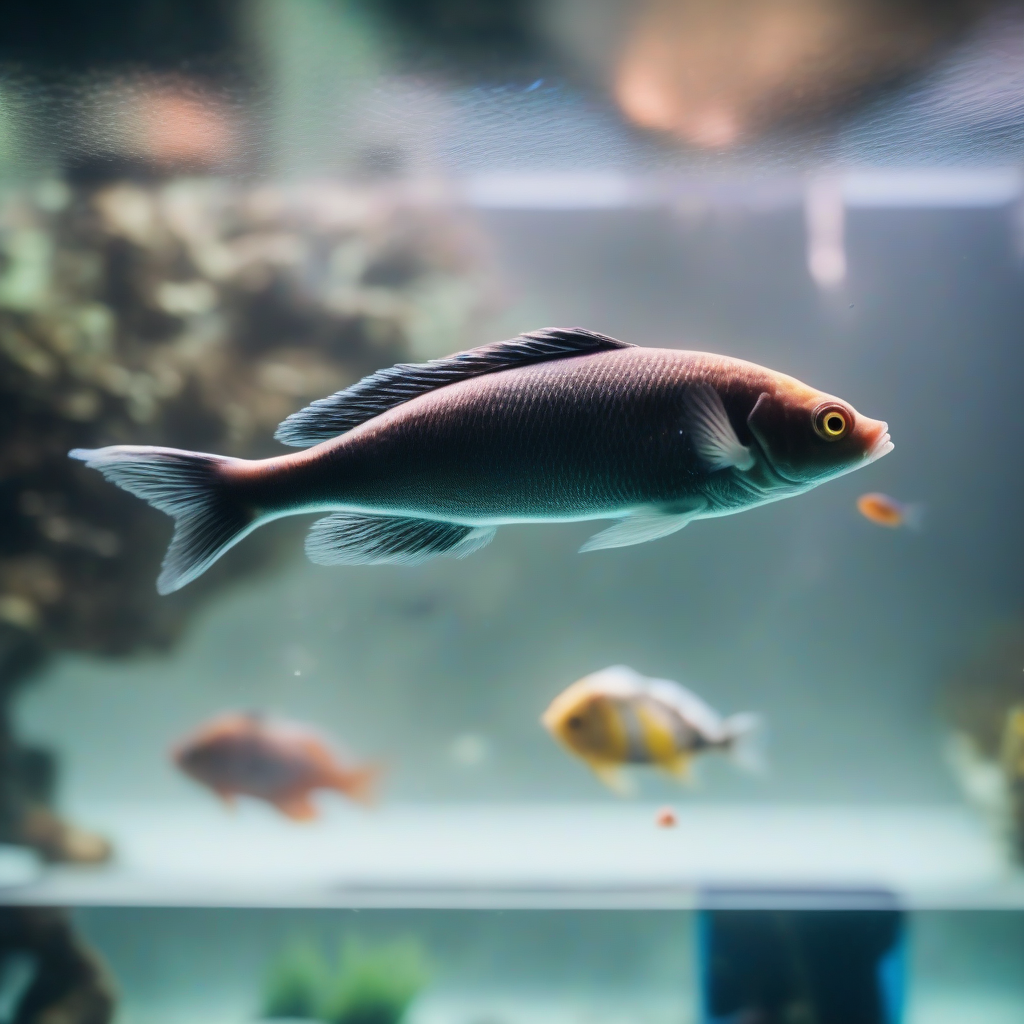
In this article, you will find 5 neurological triggers that lead to sudden loss of consciousness in fish and scientific first aid protocols to save your fish during these critical moments.


Discover the types of burns your dog can suffer, the 5 insidious neurophysiological effects these burns create in the brain and body, and lifesaving emergency intervention strategies in this comprehensive guide. We shed light on the dangers behind forgotten household accidents from a scientific perspective.

Discover the neurobiological signals of hidden stress your newly adopted cat experiences during adaptation to a new social environment. This article reveals 5 insidious signs of your cat's silent struggle and scientific strategies for peaceful, long-term harmony.

Your dog's anal sacs, located beneath the tail, can be hidden alarm bells often overlooked but profoundly affecting their quality of life. In this article, you will discover the 5 insidious neurobiological effects of anal sac problems on the brain and the lifesaving care secrets you need to know for your furry friend to live a peaceful life.
The silent dance of fish in the aquarium can sometimes be interrupted by a sudden, frightening halt: a coma. This state signifies much more than simple lethargy; it's a critical moment where your fish is fighting for its life. As of April 2026, in light of the latest neurobiological and physiological knowledge, we will delve deep into the "hidden" mechanisms behind sudden loss of consciousness in fish and the scientific protocols that can save lives during these crises. A fish falling into a coma is often the result of a serious underlying health problem, particularly the devastating effects on the brain and central nervous system. This article will help you understand not only the symptoms but also the neurological triggers at the root of these conditions, enabling you to take the right steps in emergencies.
Your fish suddenly becoming motionless, unresponsive, and sinking to the bottom is a sign that its body has crossed a critical threshold. The neurological triggers behind this condition often stem from unseen aquarium conditions or internal health issues.
Inadequate aeration, filter failure, overcrowding, or high temperatures in the aquarium can rapidly decrease dissolved oxygen levels in the water. When your fish's gills cannot absorb enough oxygen, the oxygen supply to the brain also diminishes. This situation, as mentioned in the article Your Fish's 'Hidden Respiratory Crises': 5 Critical Lifesaving Scientific Interventions for Sudden Breathlessness in the Aquarium!, leads to neuronal damage and can create a severe hypoxic encephalopathy picture, causing your fish to lose consciousness. Brain cells are highly sensitive to oxygen deprivation, and prolonged absence can lead to permanent damage or death.
Ammonia (NH3) accumulated in the aquarium due to inadequate filtration or overfeeding is extremely toxic to fish. Ammonia crosses the blood-brain barrier, causing edema in the brain and disrupting neurotransmitter balance. It particularly affects GABA (gamma-aminobutyric acid) metabolism, depressing the nervous system. Your fish's immobility in this state is an indication that its brain cannot cope with the toxic load and has entered a physiological shock similar to what is explained in Your Fish's 'Invisible Lifelines': 5 Critical Signs of Salt Imbalance in Sudden Aquarium Shocks and Lifesaving Scientific Intervention!.
Since fish are cold-blooded creatures, their body temperature is directly dependent on water temperature. A malfunctioning aquarium heater or sudden temperature changes can disrupt the fish's metabolism and nervous system functions. Extreme cold slows metabolism, halting cell functions, while extreme heat can lead to protein denaturation and neuronal damage. Both situations can cause neurological shock and loss of consciousness in your fish. The article Your Fish's 'Insidious Thermal Fluctuations': 5 Invisible Physiological Effects of Aquarium Temperature Changes and Lifesaving Scientific Stabilization Strategies! offers more information on this topic.
Incorrectly dosed medications used in the aquarium, household cleaning products, or chemicals like chlorine in tap water can directly affect the fish's nervous system. These substances disrupt the electrical signals of neurons or inhibit neurotransmitter release, leading to a deep central nervous system depression. As a result, the fish loses all sensory and motor functions and falls into a coma. This condition can be fatal, especially for sensitive fish species, and requires rapid intervention.
Serious internal injuries caused by bumping into hard decorations in the aquarium, fights with aggressive tank mates, or internal parasites lodged in the digestive system can lead to blood loss, internal organ damage, and consequently, shock. A state of shock causes blood pressure to drop and prevents sufficient oxygen and nutrients from reaching organs. This, combined with the energy loss mentioned in Your Fish's 'Unknown Conductors': 5 Insidious Signals of Sudden Energy Loss in the Aquarium and Lifesaving Scientific Interventions!, can cause your fish to lose consciousness.
When your fish goes into a coma, time is of critical importance. These scientifically backed emergency intervention protocols will significantly increase your fish's chances of survival.
If you notice your fish is motionless and unresponsive, immediately move it to a separate quarantine tank. This ensures the safety of other fish and creates a special treatment environment for it. The quarantine tank should have the same temperature and pH as the main aquarium water and be well-aerated.
Immediately test the ammonia, nitrite, nitrate, and pH levels of the aquarium water. If there's an imbalance, improve water quality by performing a partial water change (maximum 25-30%). Ensure you use clean, dechlorinated, and aged water. Check that the heater is working correctly and that the water temperature is within the ideal range for your fish species. Avoid sudden temperature changes.
Maximize oxygen levels by adding an air stone and a powerful air pump to the quarantine tank. This is vital for the fish's survival in case of hypoxia. In some cases, oxygen tablets or liquid oxygen supplements can also be used under veterinary supervision. Provide a calm environment that minimizes stress without disturbing the fish.
If you suspect ammonia or other chemical poisoning, after stabilizing the water, you can use ammonia-binding products or specific detoxification medications (as advised by a veterinarian). If internal parasite or bacterial infection is suspected, appropriate antibiotics or antiparasitic drugs should only be administered with a veterinary prescription and according to dosage. Similar rapid interventions may be necessary in the case of Your Fish's 'Silent Scream': Uncover the 5 Unknown Causes of Gill Blockage and 5 Lifesaving Scientific Interventions!.
The above steps are first aid. If your fish's condition does not improve or you cannot fully understand the cause, immediately contact an aquatic veterinarian. An expert veterinarian can diagnose your fish's condition, recommend appropriate treatment methods, and provide advanced medical intervention. Have information about your fish's general condition and water test results ready.
Your fish falling into a coma is one of the most frightening situations encountered in aquarium keeping. However, with the right information and rapid, scientifically based interventions, you can significantly increase your fish's chances of survival. Preventive measures, regular water tests, and aquarium hygiene are the most effective ways to prevent such crises. Remember, always consulting an expert will help you reach the most accurate and reliable solution.
