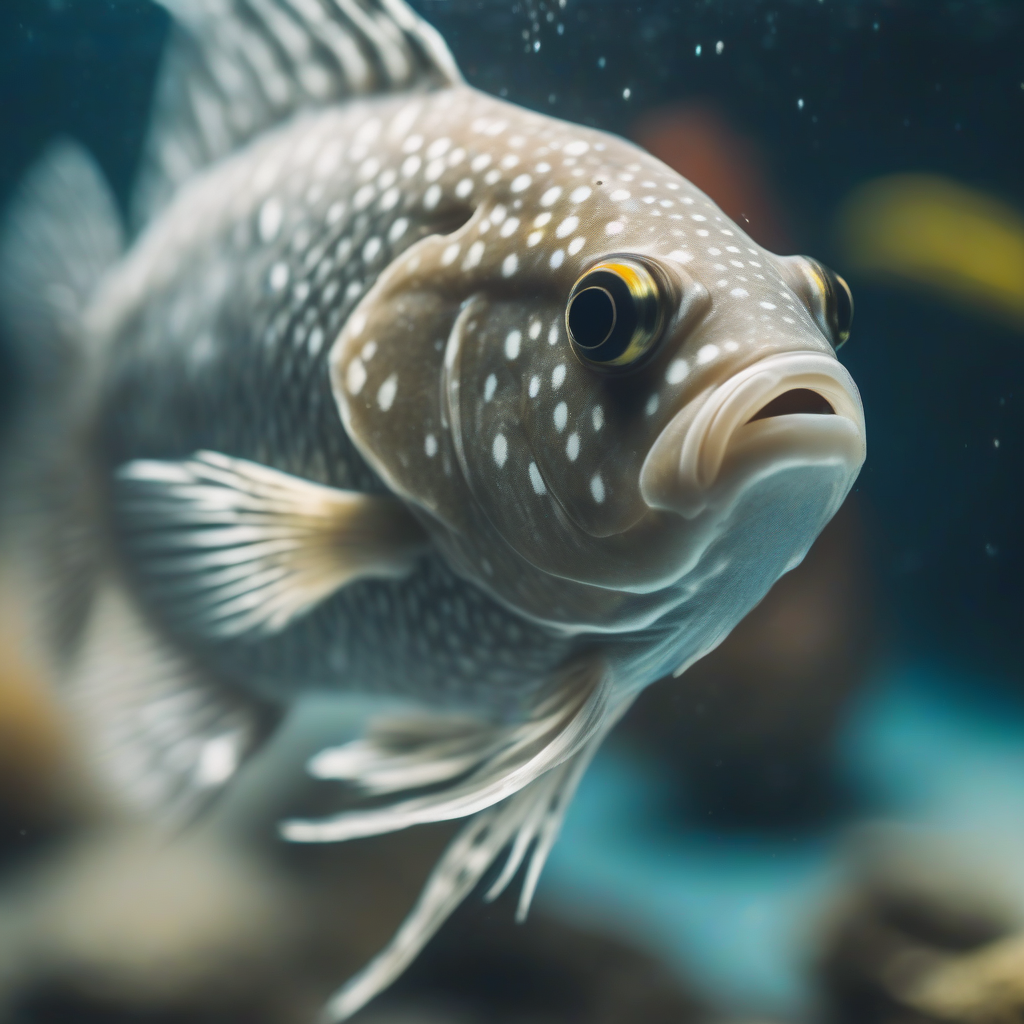
Learn the signs of sudden shocks your fish might experience due to salt imbalance and 5 lifesaving scientific interventions you can apply in these critical situations.


Discover the types of burns your dog can suffer, the 5 insidious neurophysiological effects these burns create in the brain and body, and lifesaving emergency intervention strategies in this comprehensive guide. We shed light on the dangers behind forgotten household accidents from a scientific perspective.

Discover the neurobiological signals of hidden stress your newly adopted cat experiences during adaptation to a new social environment. This article reveals 5 insidious signs of your cat's silent struggle and scientific strategies for peaceful, long-term harmony.

Your dog's anal sacs, located beneath the tail, can be hidden alarm bells often overlooked but profoundly affecting their quality of life. In this article, you will discover the 5 insidious neurobiological effects of anal sac problems on the brain and the lifesaving care secrets you need to know for your furry friend to live a peaceful life.
Your aquarium should be a paradise for your fish, but unexpected events can disrupt this delicate balance. Particularly, salt imbalance can lead to sudden shocks that can be fatal for fish. One of the cornerstones of fish physiology, electrolyte balance, is directly related to the salinity of the water. A disruption in this balance can cause the fish to lose control of its body fluids and lead to the cessation of vital functions. So, how do you recognize this insidious threat and what steps should you take?
When your fish suddenly loses its swimming pattern, lists to one side, or starts spinning uncontrollably, it's a sign that its osmotic balance is severely disrupted. Normally, fish have a complex system that prevents body fluids from escaping the external water environment or from taking in excessive water. Salt imbalance overthrows this system.
Gills are vital organs for fish to take in water and oxygen. Salt imbalance affects the water and salt ratio in the fish's body, preventing the gills from functioning normally. This situation causes the fish to move its gills rapidly and irregularly. This is an indication that the fish is struggling to breathe and requires immediate intervention. This situation can be confused with gill blockage in your fish, but it is a primary effect caused by salt imbalance.
Marine fish have a different osmotic pressure than freshwater fish. A sudden change in the salt content of the aquarium can cause the fish to lose excessive water from its body (dehydration) or to take in too much water into its body (overhydration). Dehydration can cause the fish's scales to become dull and its eyes to sink inwards, while overhydration can make the fish appear bloated. Both of these conditions are direct results of salt imbalance.
Since salt imbalance disrupts the fish's overall physiology, it also affects the nervous system. This can cause the fish to become more sluggish, lethargic, and unresponsive than usual. It's as if all its energy is depleted. Refusal to eat and retreating to the bottom or a corner of the aquarium are also among these symptoms. This could be a sign of distress communicated by the fish's hidden social mind (slug: fish-hidden-social-mind-aquarium-interactions-scientific-secrets).
Excess salt or sudden drops in salt can irritate the fish's delicate skin and mucus layer. This irritation can manifest as white spots on the scales, fungal-like growths, or general redness. This indicates that the fish has become vulnerable to external factors and can invite more serious infections.
If you observe one or more of these symptoms, you must act without delay:
Assess the Situation and Test Aquarium Water: The first step is to measure the salinity of the aquarium water (using a hydrometer or conductivity meter) and other basic parameters (pH, ammonia, nitrite, nitrate). This will help you understand the source of the problem. Ensure the salinity is within the ideal range for your fish species. For freshwater fish, salinity should be negligible, while for marine fish, it should be within a specific range.
Slow and Careful Water Change: If the salinity has changed suddenly, perform a slow and controlled water change to correct the issue. Adjust the salinity of the water you use to be compatible with the existing aquarium water. A very rapid water change can cause a new shock to the fish. Especially for marine fish, be careful not to change the salinity by more than 0.002 per day.
Products Supporting Liver and Kidney Function: Salt imbalance also affects the fish's internal organs. Using supplements specifically formulated for fish that support liver and kidney function can be beneficial. These products help the fish eliminate toxins from its body and re-establish balance. Just as we understand the importance of kidney health for different species from articles like Your Dog's Hidden Kidney Factory, it's crucial for fish too.
Disease-Preventing and Healing Bacterial Cultures: Salt imbalance weakens the fish's immune system, making it more vulnerable to diseases. Therefore, adding beneficial bacterial cultures to the aquarium water can help combat harmful microorganisms. As we mentioned in our article on Your Fish's 'Invisible Defense Shield', maintaining high water quality is essential, and it becomes even more critical in cases of salt imbalance.
Air Pump and Water Flow Enhancing Devices: Salt imbalance can also affect the fish's respiration. Adding an extra air pump or air stones to the aquarium will increase the oxygen level of the water, helping the fish breathe. At the same time, slightly increasing water flow will promote water circulation, contributing to a faster return to normal balance. However, excessive flow should be avoided.
Remember, even a small change in your aquarium can have significant consequences for your fish. Recognizing invisible dangers like salt imbalance and being prepared is the key to ensuring they live healthy and happy lives. If the situation is serious and you do not see improvement in your fish despite your interventions, do not hesitate to seek help from an aquarium expert or a veterinarian.
During this process, understanding your fish's secret art of communication will allow you to notice changes in their behavior early on. Additionally, being prepared for other emergencies like Sudden Physical Trauma Shock is also important.
