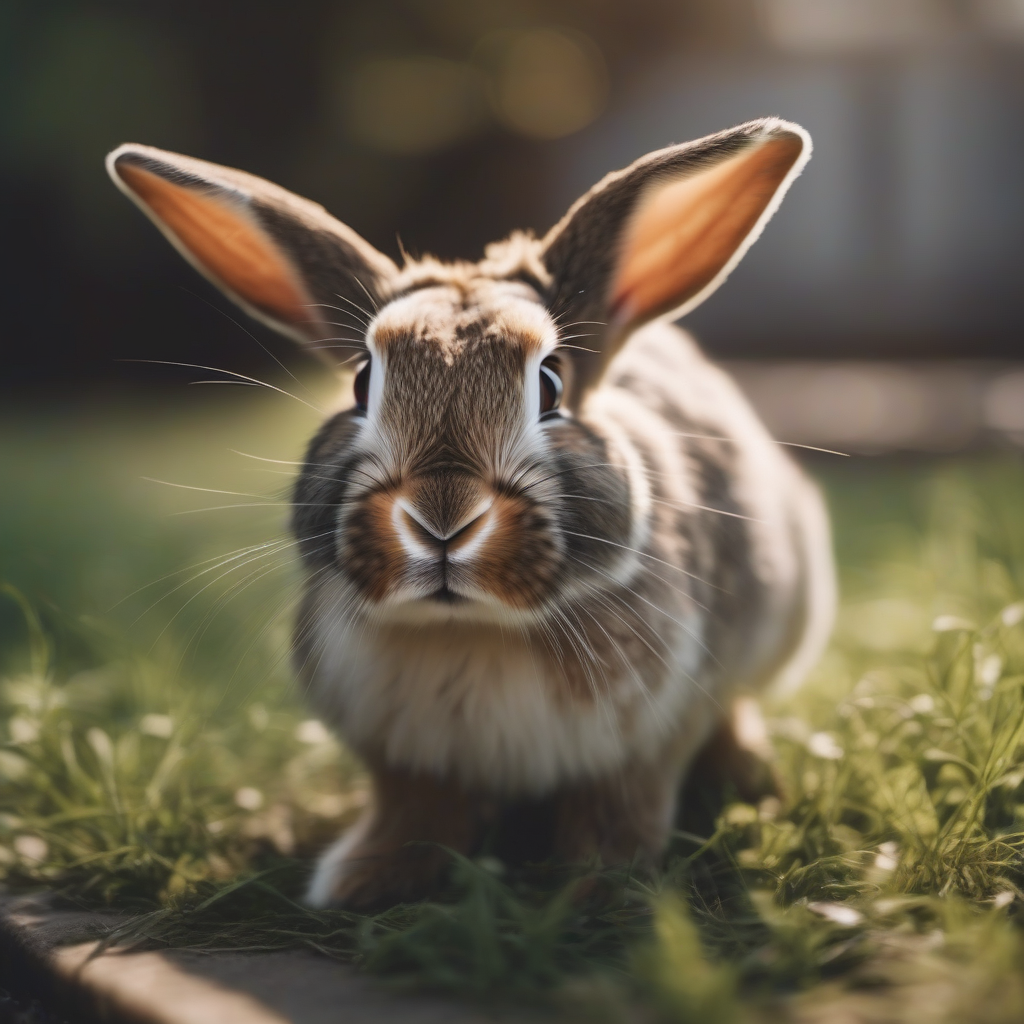
Your rabbit's sudden refusal to eat can be alarming. This article delves into 5 little-known reasons behind rabbits' feeding sensitivities and their scientific solutions.


Discover the types of burns your dog can suffer, the 5 insidious neurophysiological effects these burns create in the brain and body, and lifesaving emergency intervention strategies in this comprehensive guide. We shed light on the dangers behind forgotten household accidents from a scientific perspective.

Discover the neurobiological signals of hidden stress your newly adopted cat experiences during adaptation to a new social environment. This article reveals 5 insidious signs of your cat's silent struggle and scientific strategies for peaceful, long-term harmony.

Your dog's anal sacs, located beneath the tail, can be hidden alarm bells often overlooked but profoundly affecting their quality of life. In this article, you will discover the 5 insidious neurobiological effects of anal sac problems on the brain and the lifesaving care secrets you need to know for your furry friend to live a peaceful life.
The sudden lack of appetite or refusal to eat in our beloved rabbits is one of the biggest concerns for any rabbit owner. This behavior can be a harbinger of a range of 'hidden feeding sensitivities' and physiological responses that are often overlooked or misunderstood. Given the complex digestive systems and delicate nature of rabbits, understanding the reasons behind this behavior is critical for safeguarding their health and intervening in emergencies.
As of April 2026, modern veterinary science is increasingly understanding the complex neurological and physiological mechanisms behind changes in rabbit feeding behaviors. In this article, we will explore 5 hidden, scientifically proven reasons why your rabbit might be refusing food and the measures you can take against these situations.
Gastric stasis, or GI Stasis, is often one of the most common and dangerous causes of sudden appetite loss. This condition is characterized by a slowing or complete halt of intestinal movements. GI Stasis is not just a physical ailment but also has a complex neurological component due to its effects on the brain-gut axis. Factors such as pain, stress, or dehydration can negatively affect the brain's control over the digestive system, leading to this condition. If your rabbit shows signs of bloating, lethargy, or pain, these are early warnings of GI Stasis and require immediate veterinary attention.
Rabbit teeth grow continuously and therefore need to wear down regularly. However, issues like dental malocclusion (misalignment of teeth), dental abscesses, or tooth fractures can make chewing food extremely painful. This can cause your rabbit to avoid its food bowl or stop eating because it experiences pain while chewing. Even without a visible problem, hidden dental issues can lead to severe appetite loss. Regular dental check-ups and providing appropriate chewing materials reduce this risk.
The overall health and appetite of rabbits depend on a balanced intake of vitamins and minerals. Deficiencies in Calcium, Vitamin D, and various B vitamins, in particular, can negatively affect both digestive functions and general metabolism. For example, insufficient calcium intake threatens bone health while also having indirect effects on the digestive system. Providing a balanced and fresh diet appropriate for your rabbit's specific needs is key to preventing such deficiencies.
Rabbits are highly sensitive to unexpected changes. A new environment, changes within the home, sudden noises, crowds, or conflicts with other pets in the household can cause significant stress to your rabbit. Stress can significantly reduce a rabbit's appetite and even trigger digestive problems. Therefore, ensuring tranquility and predictability in your rabbit's living space is of great importance for its psychological and physiological well-being.
Just like in humans, rabbits can develop sensitivities or allergies to certain foods. This can occur, especially when transitioning to a new type of food or making sudden changes to the diet. These sensitivities can lead to symptoms like abdominal pain, bloating, gas, and diarrhea, causing your rabbit to refuse food. Sensitivities to high-protein foods or specific types of fiber can also fall into this category. Carefully observing feeding habits and eliminating suspicious foods can help identify the source of the problem.
Your rabbit's refusal to eat is a serious health problem that should not be ignored. The 5 hidden reasons mentioned above are the primary factors underlying this behavior. If your rabbit has not eaten for more than 12-24 hours, seeking veterinary attention is vital. Early diagnosis and intervention play a critical role in preventing potentially severe health issues. Remember, regular veterinary check-ups, appropriate habitat enrichment , and a balanced diet are the cornerstones for your rabbit to live a long and healthy life.
