
Learn how to transform your rabbit's living space from a mere cage into a 'mini-mega city' designed for them. This article delves into the neurological needs of rabbits for habitat enrichment and explores 5 scientific strategies to meet them.


Discover the neurobiological signals of hidden stress your newly adopted cat experiences during adaptation to a new social environment. This article reveals 5 insidious signs of your cat's silent struggle and scientific strategies for peaceful, long-term harmony.

Your dog's anal sacs, located beneath the tail, can be hidden alarm bells often overlooked but profoundly affecting their quality of life. In this article, you will discover the 5 insidious neurobiological effects of anal sac problems on the brain and the lifesaving care secrets you need to know for your furry friend to live a peaceful life.
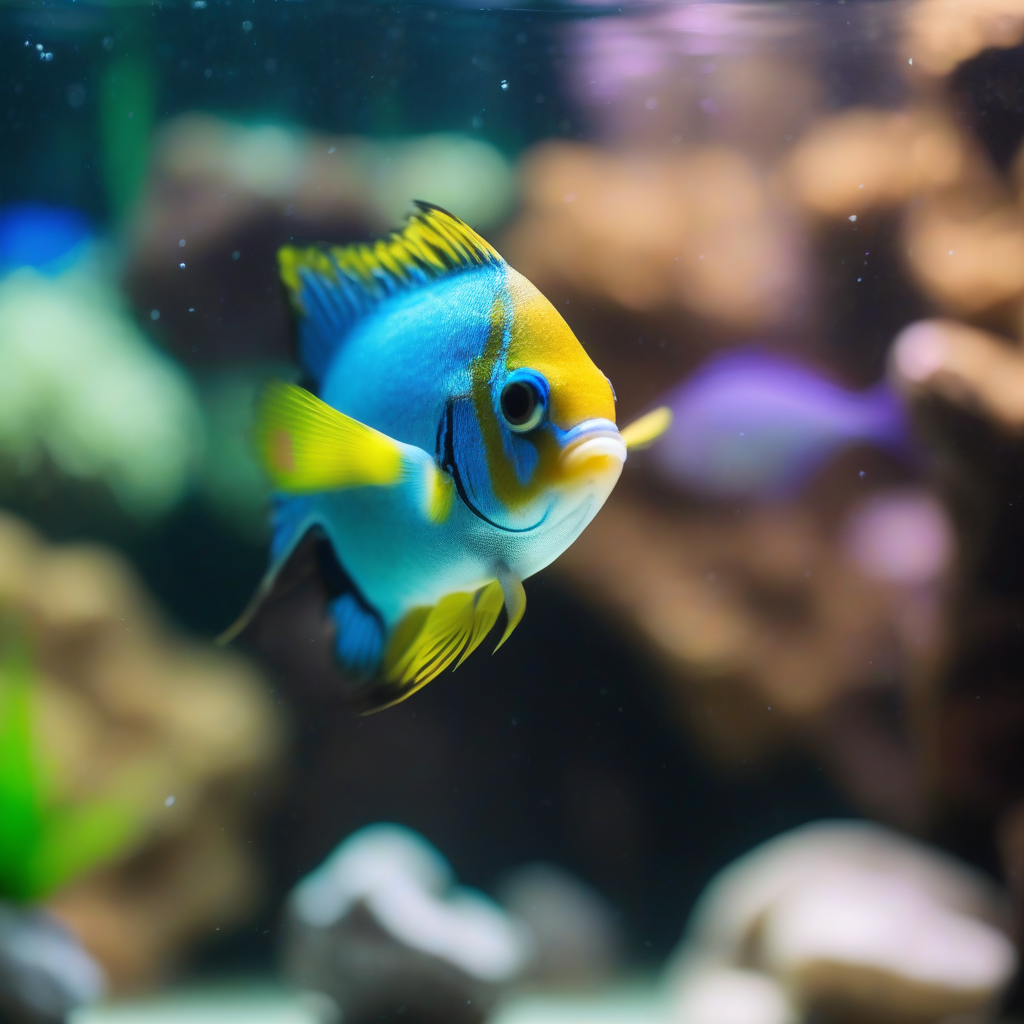
In this article, you will find comprehensive information on the insidious neurotoxic effects of heavy metal poisoning in aquarium fish, its symptoms, and lifesaving emergency intervention codes. This condition, which can arise from household water sources, improper equipment, or neglect, can severely threaten your fish's quality of life and lifespan.
Rabbits are intelligent and sensorially complex creatures deserving far more than a simple cage life. Their domestication does not diminish their innate behaviors like exploring, digging, hiding, and social interaction. On the contrary, satisfying these instincts is crucial for their mental and physical health. In this article, we will delve deeply into how you can transform your rabbit's living space into a cognitive and sensory feast by taking on the role of their 'secret space architect', focusing on their neurological needs.
Rabbits, by nature, are constantly exploring their environment. Actions like sniffing, digging, chewing, and hiding are part of their survival instincts. A limited and monotonous habitat can lead to stress, anxiety, repetitive behaviors, and even health issues over time. Their brains require constant new stimuli and opportunities for exploration. This keeps their cognitive functions sharp and enhances their quality of life, much like mental exercise does for humans.
Rabbits are naturally inclined to create complex tunnel systems underground. This allows them to protect themselves from predators and establish a safe burrow. At home, the best way to satisfy this instinct is by providing a safe and deep 'digging box'. These boxes filled with materials like sand, soil (pesticide-free), or safe play dough allow your rabbit to expend energy and exhibit natural behaviors. This type of activity provides cognitive stimulation and keeps them from boredom.
For more on this topic, you can refer to our article, Your Rabbit's 'Secret Ground World': Neurosensory Secrets of Substrate Choice and 5 Scientific Principles Triggering Behavioral Welfare!.
Rabbit teeth grow continuously. Therefore, providing safe and varied chewable materials is critical for both dental health and mental enrichment. Not just hay, but also branches with different textures (like apple, willow), safe wooden toys, and even chewable cardboard tunnels can satisfy this need. Different chewing options diversify your rabbit's sensory experience and keep them engaged.
For important information regarding dental health, we recommend looking at our article, Your Rabbit's 'Indigestible Mysteries' Chest: 5 Insidious Nutritional Traps Beyond Roughage and Scientific Secrets to Enhance Animal Welfare!.
Rabbits need hiding places to escape potential dangers and feel secure. This helps reduce their stress levels. Creating creative 'hiding spots' makes their living space more interesting. This can include simple cardboard boxes, tunnels made from natural materials, wicker baskets, or even specially designed burrows for rabbits. These areas not only serve as a safe haven but also carry an element of exploration.
Related to a similar concept, the article Your Cat's Hidden Spatial Perception: Secret Environmental Obstacles and 5 Scientific Solutions for a Peaceful Habitat emphasizes the importance of spatial perception across different species.
Rabbits love to climb to high places to better observe their surroundings and detect potential dangers in advance. Adding safe ramps, platforms, or wooden risers to their habitat satisfies this instinct. This not only provides physical activity but also offers cognitive enrichment by allowing them to see the world from a different perspective. Providing access at different levels makes the living space more dynamic.
Rabbits are social creatures and enjoy interacting with other rabbits or humans. Their habitats should be enriched with interactive toys and opportunities for regular socialization. Puzzle toys, treat dispensers, and interactive balls develop their problem-solving skills and keep them mentally active. These types of toys prevent your rabbit from getting bored and strengthen your bond with them.
For more in-depth information on positive reinforcement and training, please see our article, Your Rabbit's 'Secret Reward Map': 5 Neurocognitive Secrets of Positive Reinforcement in the Brain and Scientific Strategies to Accelerate Training!.
Enriching your rabbit's habitat is not just an act of care, but a fundamental way to support its neurological health and overall well-being. As 'secret space architects', you can create a 'mini-mega city' that is both safe and mentally stimulating for your rabbit through the right designs and materials. This means a happier, healthier, and less stressed rabbit.
Remember, continuously evaluating your rabbit's habitat and adjusting it to their needs is the best investment for their lifelong welfare.
