
For rabbits, substrate choice in their living environment is more than just a hygienic detail; it's a scientific topic that deeply influences their neurosensory development, behavioral welfare, and overall health. In this article, you will discover 5 scientific principles for ideal substrate selection that support your rabbit's natural instincts, reduce stress, and provide mental stimulation. Learn how to create the most suitable 'ground world' for your rabbit, guided by expert tips and scientific research.


Discover the neurobiological signals of hidden stress your newly adopted cat experiences during adaptation to a new social environment. This article reveals 5 insidious signs of your cat's silent struggle and scientific strategies for peaceful, long-term harmony.

Your dog's anal sacs, located beneath the tail, can be hidden alarm bells often overlooked but profoundly affecting their quality of life. In this article, you will discover the 5 insidious neurobiological effects of anal sac problems on the brain and the lifesaving care secrets you need to know for your furry friend to live a peaceful life.
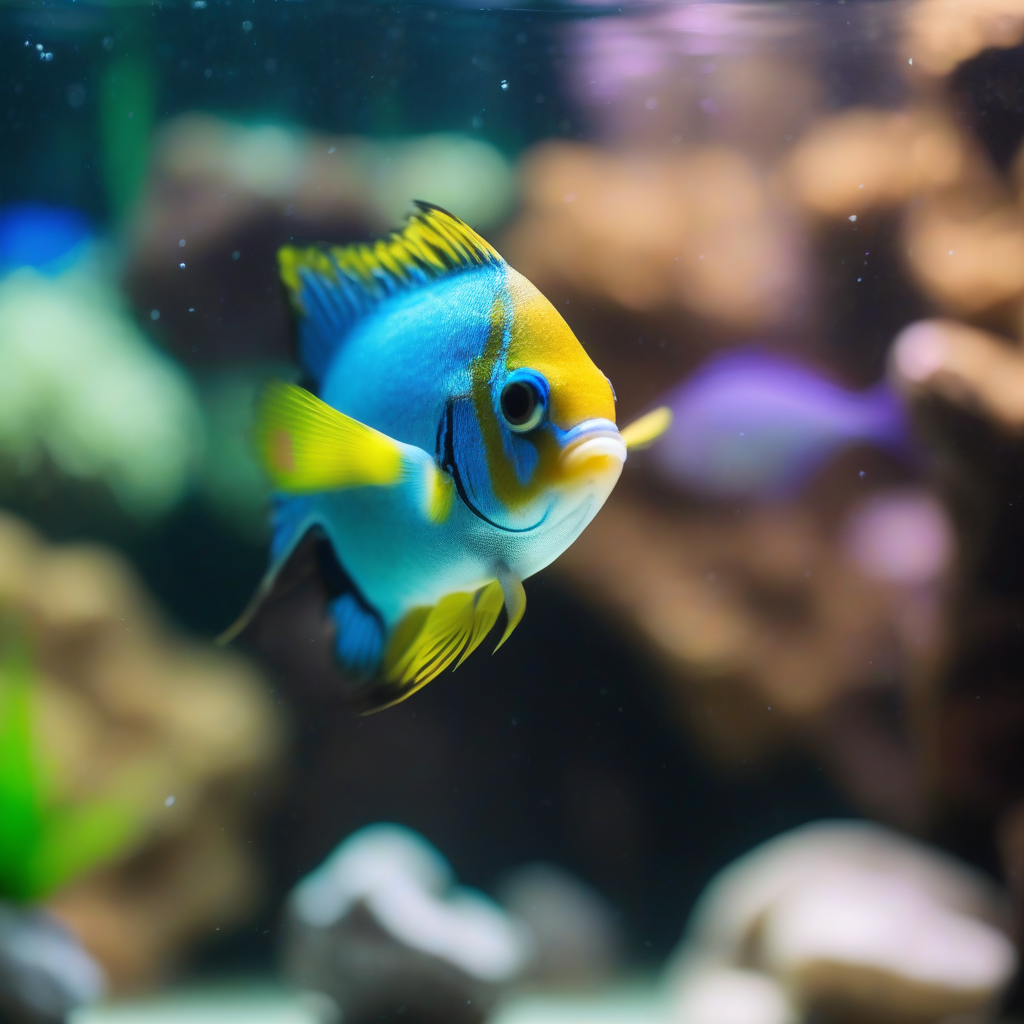
In this article, you will find comprehensive information on the insidious neurotoxic effects of heavy metal poisoning in aquarium fish, its symptoms, and lifesaving emergency intervention codes. This condition, which can arise from household water sources, improper equipment, or neglect, can severely threaten your fish's quality of life and lifespan.
In their natural habitat, rabbits are creatures with instincts to dig, hide, and explore, building complex underground tunnel systems. Our pet rabbits' living environments must meet these natural needs, offering them not just a shelter but also a rich sensory experience. The foundation of this experience is the correct substrate choice. Often seen merely as a hygienic detail, bedding is actually a vital factor that directly influences your rabbit's neurosensory development, stress levels, motor skills, and overall behavioral welfare.
The ground arrangement of their home environment shapes millions of signals that travel from your rabbit's paw pads to their brain. This 'secret ground world' is an invisible architect determining their safety, comfort, and cognitive stimulation. So, how do you make the perfect substrate choice for your rabbit, and what scientific effects does this choice have on your animal's quality of life?
Substrate is the surface where your rabbit spends most of its day. The quality and structure of this surface are critically important for both their physical health and psychological well-being. From a scientific perspective, substrate choice affects many biological processes, such as odor management, thermal regulation, tactile stimulation, and the expression of natural behaviors.
In the wild, rabbits dig tunnels to protect themselves from predators and create nesting areas. This behavior is a fundamental need ingrained in their genetic code. Domestic rabbits also carry this instinct, and appropriate bedding allows them to express this behavior safely. Digging and burrowing provide cognitive stimulation for rabbits, alleviate boredom, and reduce stress. Inadequate or inappropriate bedding can lead to the suppression of this natural behavior, resulting in behavioral problems and chronic stress.
Rabbit paw pads are filled with highly sensitive receptors that perceive environmental information. The texture, temperature, and flexibility of the substrate continuously provide tactile feedback to the rabbit's central nervous system. Soft, absorbent, and flexible bedding supports paw health while also providing a sense of comfort and security, which can lower cortisol levels. Hard, slippery, or irritating substrates, on the other hand, can lead to constant discomfort, pain, and chronic stress.
To optimize your rabbit's ground world, you should focus on the following scientific principles:
An ideal rabbit substrate should have high absorbency. This rapidly absorbs urine, minimizing ammonia evaporation. Ammonia is a toxic gas for rabbits' delicate respiratory systems, and prolonged exposure can lead to respiratory infections, eye irritation, and chronic breathing problems. Paper-based pellets, shavings (other than pine or cedar), hay, and specially processed hemp bedding are effective options in this regard. High absorbency combined with regular cleaning helps keep your rabbit's Invisible Air Maze healthy.
Instead of a single type of substrate, creating areas with different textures for rabbits enhances mental and physical stimulation. For instance, you can provide soft hay or straw bedding in one part of the enclosure and a safe soil or fabric tunnel for digging and burrowing in another. This variety encourages your rabbit to use its paw muscles and joints in different ways, developing natural motor skills and increasing their Hidden Comfort Zones. Continuous presence on hard, flat surfaces can invite paw pad sores (sore hocks).
Good bedding acts as thermal insulation for your rabbit. It prevents hypothermia on cold floors and can help them stay cool in hot weather. For example, hay provides excellent insulation in winter, while cotton or hemp bedding spread over a cooler concrete floor can prevent overheating in summer. The thermal properties of the bedding help your rabbit regulate its body temperature and protect against risks like the Hidden Fire Trap.
As prey animals, rabbits need places to hide to feel safe. A deep, fluffy layer of bedding satisfies this natural hiding instinct and makes them feel more secure. When combined with tunnels and hiding boxes placed under or next to the bedding, this prevents your rabbit's Secret Threat Radar from becoming overactive and reduces anxiety.
Rabbits love to explore their environment with their mouths, and there's always a possibility of accidentally ingesting bedding. Therefore, it's critical that the bedding is safe for their digestive system. Hay and specially processed paper-based products are generally safe. Chemical-laden, scented, or very small particle beddings that could be toxic or cause digestive blockages should be avoided. Correct substrate choice helps minimize vital risks such as a Silent Digestive Crisis.
When designing your rabbit's living space, remember that substrate choice is more than just a bedding material; it's a scientific strategy for their holistic well-being. Considering that each rabbit may have individual preferences, try different types of bedding to find the most suitable option. Remember, a happy and healthy rabbit lives in an enriched environment where it can safely express its natural instincts.
