
Gain in-depth knowledge about the hidden dangers in your rabbit's digestive system and the insidious signs of intestinal blockage. Protect your companion with early diagnosis and lifesaving scientific interventions.


Discover the neurobiological signals of hidden stress your newly adopted cat experiences during adaptation to a new social environment. This article reveals 5 insidious signs of your cat's silent struggle and scientific strategies for peaceful, long-term harmony.

Your dog's anal sacs, located beneath the tail, can be hidden alarm bells often overlooked but profoundly affecting their quality of life. In this article, you will discover the 5 insidious neurobiological effects of anal sac problems on the brain and the lifesaving care secrets you need to know for your furry friend to live a peaceful life.
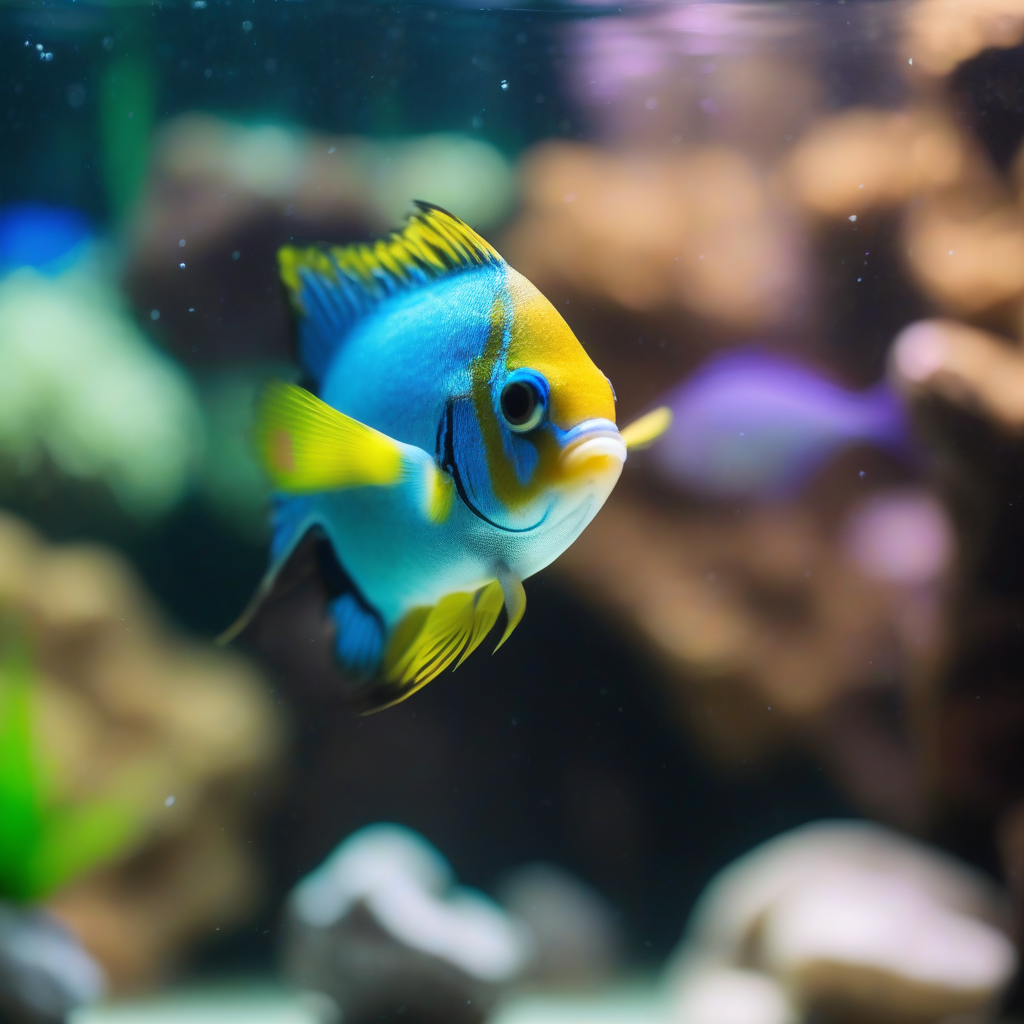
In this article, you will find comprehensive information on the insidious neurotoxic effects of heavy metal poisoning in aquarium fish, its symptoms, and lifesaving emergency intervention codes. This condition, which can arise from household water sources, improper equipment, or neglect, can severely threaten your fish's quality of life and lifespan.
Rabbits are delicate and sensitive creatures. When it comes to their health, even the slightest change can have significant consequences. Their digestive system, in particular, is one of their most vital yet vulnerable organs. Intestinal blockage (Gastrointestinal Stasis - GIS) is a serious condition common in rabbits that can quickly become life-threatening. Often progressing insidiously, this illness can be fatal if not diagnosed early. In this article, we will delve into 5 little-known insidious signs that can trigger your rabbit's 'silent digestive crisis' and discuss lifesaving scientific interventions you can take against it.
A rabbit's digestive system is like a 'conveyor belt' – constantly moving and complex. Their eating, defecation, and overall health are directly linked to this continuous motion. When intestinal movement stops or slows significantly (GIS), it's not just a discomfort; it initiates a deadly cycle that rapidly leads to toxin buildup, pain, and organ failure. Rabbits tend to hide their pain and discomfort, making it very easy to miss the early signs of this condition.
The early signs of GIS are often very vague. However, noticing these subtle details can save your companion's life.
You might notice your rabbit eating a little less than usual or refusing to eat altogether. This is not simply a matter of 'not feeling like it.' A reluctance to eat can be the first sign that you are dealing with a digestive tract issue. Similarly, a tendency to drink more or less water than normal is also a cause for concern. This indicates that the body's fluid balance is beginning to be disrupted.
One of the most telling indicators of GIS is a change in defecation habits. Your rabbit may have a significant decrease in the amount of droppings, produce small, dry droppings, or stop defecating altogether. This is a serious warning sign. A healthy rabbit normally produces small, round, dry droppings regularly. When the size or number of these droppings decreases or disappears, it's a critical signal that movement in their intestines has stopped.
Rabbits often show discomfort when their abdomen is touched. However, as GIS progresses, you may notice significant tenderness or tightness in your rabbit's abdominal area, even with gentle touch. Abdominal bloating can also be observed. Your rabbit constantly hunching over or avoiding lying flat can also be a sign of abdominal pain.
Your normally energetic and curious rabbit becoming withdrawn, lethargic, and uninterested is also a sign. A decreased desire to move, increased tendency to hide, and general sluggishness are the silent cries that something is wrong within their body. Not playing with their favorite toys or not interacting with you are also significant.
While less common, in advanced cases of GIS, you may hear faint grunts, clicks, or gurgles coming from your rabbit's mouth. These sounds are a result of discomfort caused by gas buildup or blockage in the intestines. If you hear such sounds, immediate veterinary attention is required.
If you notice one or more of the above signs in your rabbit, you must contact your veterinarian without delay. Remember, in rabbits with GIS, time is 'golden.'
This is the most crucial step you can take. GIS in rabbits is an emergency and can only be correctly diagnosed and treated by an experienced veterinarian. Attempting to intervene on your own can worsen the condition.
Your veterinarian will administer subcutaneous or intravenous fluid therapy to compensate for your rabbit's lost fluids. This prevents dehydration and helps the digestive system to resume functioning.
GIS causes severe pain. Your veterinarian will prescribe appropriate pain relievers to alleviate the discomfort. Pain control ensures your rabbit is more comfortable and supports the healing process.
Your veterinarian may prescribe prokinetic medications (e.g., metoclopramide or simethicone) to speed up intestinal movements and relieve the blockage. These medications help the digestive system regain its normal function.
Once your rabbit's condition stabilizes, your veterinarian will likely recommend a transition to a easily digestible, high-fiber diet. High-quality rabbit hay, fresh greens, and a limited amount of rabbit pellets will play a crucial role in this process. Nutritional principles from articles like 'Your Hamster's 'Secret Seed Warriors': 5 Scientific Solutions to Stop Overeating and the Art of Reprogramming Their Metabolism!' can support overall digestive health.
The best way to prevent GIS is to continuously support your rabbit's digestive health.
Your rabbit's health can be optimally protected with your careful observation and accurate information. While intestinal blockage is frightening, by using this knowledge, you can help your companion live a healthy and long life.
