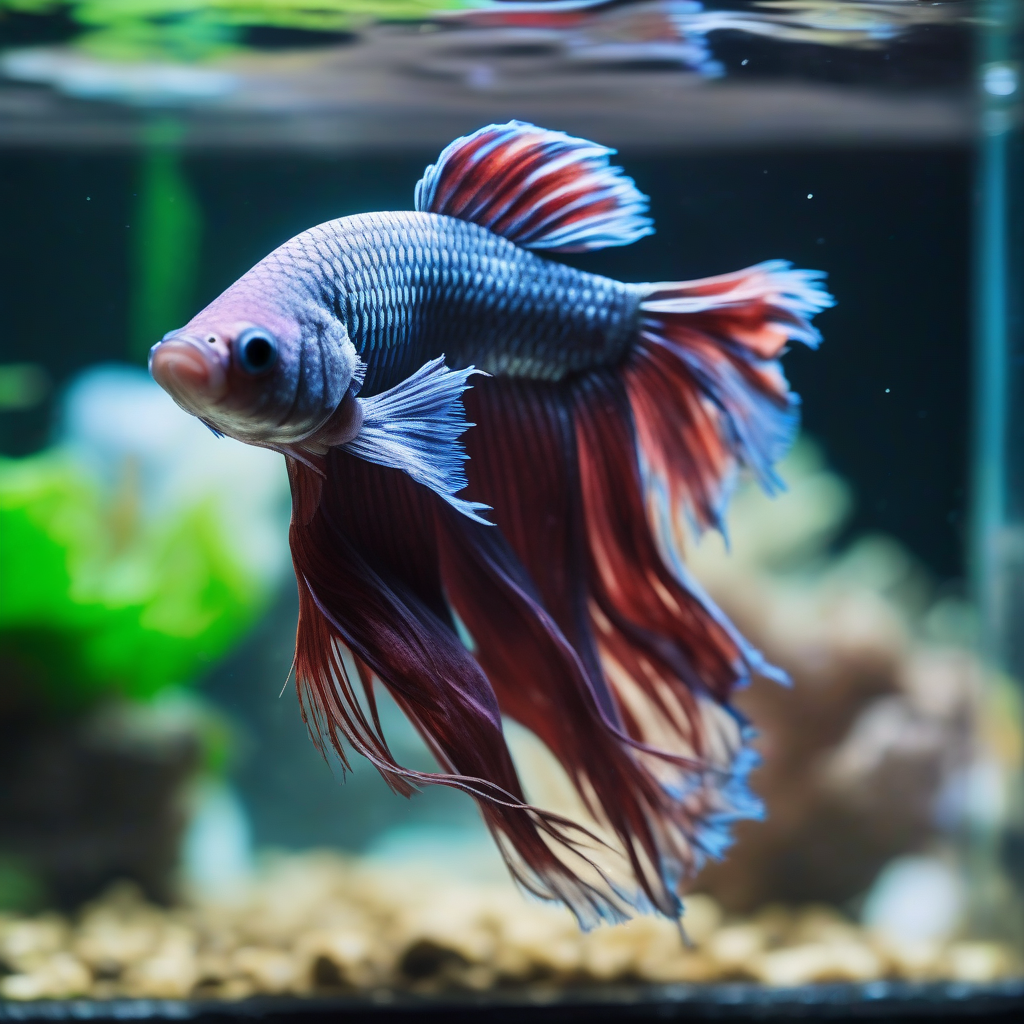
Learn about the unknown calcium crisis threatening your fish's bone health and 5 lifesaving care secrets recommended by experts.


Discover the neurobiological signals of hidden stress your newly adopted cat experiences during adaptation to a new social environment. This article reveals 5 insidious signs of your cat's silent struggle and scientific strategies for peaceful, long-term harmony.

Your dog's anal sacs, located beneath the tail, can be hidden alarm bells often overlooked but profoundly affecting their quality of life. In this article, you will discover the 5 insidious neurobiological effects of anal sac problems on the brain and the lifesaving care secrets you need to know for your furry friend to live a peaceful life.
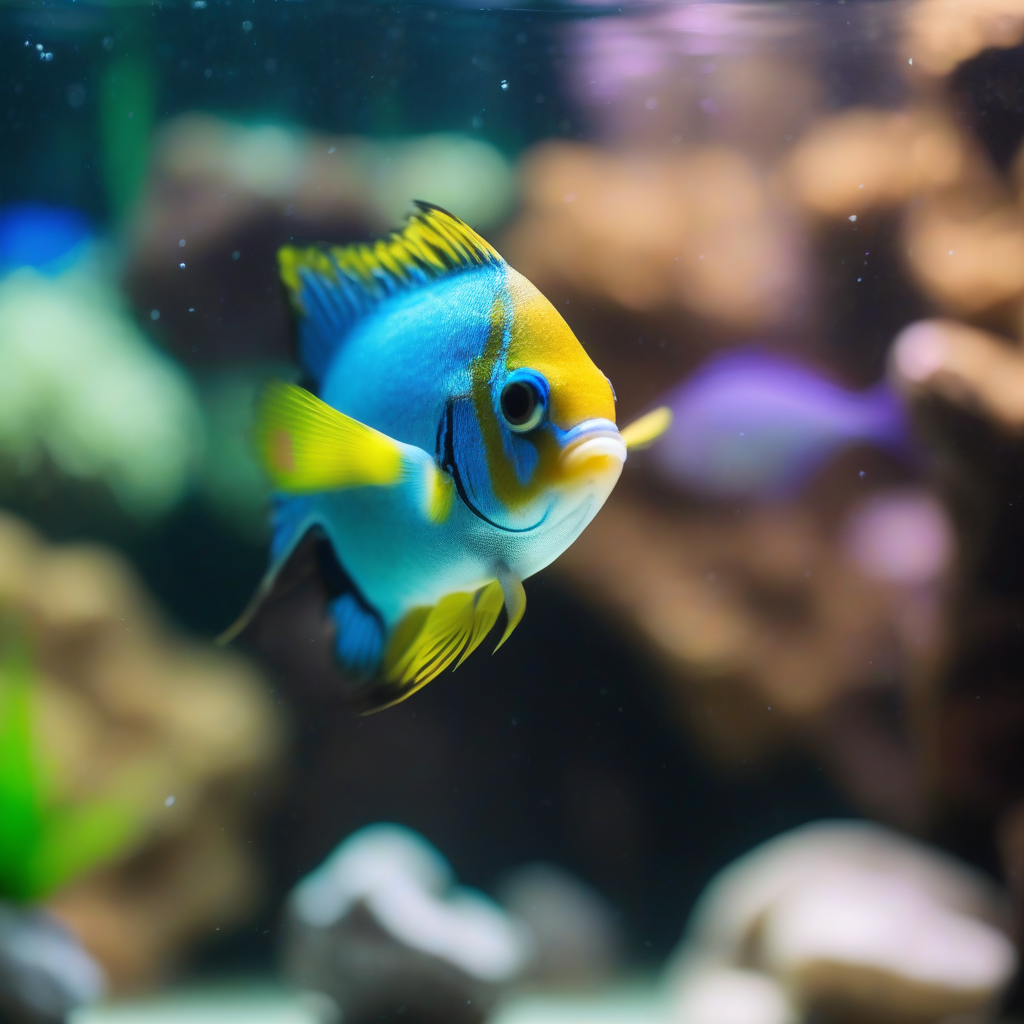
In this article, you will find comprehensive information on the insidious neurotoxic effects of heavy metal poisoning in aquarium fish, its symptoms, and lifesaving emergency intervention codes. This condition, which can arise from household water sources, improper equipment, or neglect, can severely threaten your fish's quality of life and lifespan.
For aquarium hobbyists, the health of fish is a profound responsibility beyond mere aesthetic enjoyment. While focus is often placed on visible illnesses, insidious and potentially fatal health issues like an 'unknown calcium crisis' in fish can escape the notice of aquarium keepers. In this article, we will focus on the little-known aspects of calcium deficiency that deeply affect your fish's bone health and the measures that can be taken against this critical condition.
As vertebrate creatures, fish, like other animals, require calcium for strong bone structures. However, in an aquarium environment, this need can become complicated even before visible symptoms emerge. Calcium deficiency (hypocalcemia) negatively impacts many physiological processes in fish and can eventually lead to severe bone deformities, stunted growth, and even death.
Early stages of calcium deficiency are often overlooked. Recognizing the subtle signs of this silent crisis is critical for lifesaving intervention.
Fish may become more lethargic or excessively restless when experiencing calcium deficiency. They might swim near the surface more than usual, exhibit sudden movements, or tend to hide. This drop in energy levels is a sign of reduced overall well-being.
Fish scales may show color loss, dullness, or softening at the edges. Tears or deformities in the fins can also indicate this deficiency. The weakening of the skeletal structure leads to these external symptoms.
In young fish, particularly, a slower than expected growth rate or noticeable skeletal deformities (e.g., hunchback, curved spine) are harbingers of calcium deficiency. Adult fish may also develop spinal curvature or jaw malformations.
Severe calcium deficiency can weaken gill muscles. This can lead to difficulty in breathing, increased gill movement rate, or attempts to breathe near the water surface. While this can be confused with symptoms in articles like Your Fish's 'Breath Alarm': Invisible Signs of Oxygen Deprivation in the Aquarium and 5 Scientific Interventions to Stop Fatal Suffocation!, this condition is generally more chronic.
Calcium deficiency in female fish can negatively impact egg development and fertilization. Weak or deformed eggs, or a reduced frequency of spawning, can be a serious sign of reproductive problems.
A proactive approach is essential to prevent and treat calcium crisis.
Choose high-quality, calcium-fortified foods appropriate for your fish species. Regularly offer algae-based foods or specialized calcium-supplemented diets. Consult your veterinarian to understand your fish's specific needs.
Regularly test the GH (general hardness) of your aquarium water and maintain it within the ideal range. While the ideal GH for soft water fish is typically between 4-8 dGH, for hard water fish, this value can go up to 10-20 dGH. Measure calcium and magnesium levels as well, and supplement with specialized aquarium minerals if necessary.
Naturally increase the calcium level of your water by adding cleaned coral fragments, oyster shells, or specialized aquarium calcium supplements to the aquarium. This is a beneficial method, especially for hard water fish.
If you suspect calcium deficiency, consult an aquatic veterinarian. Your veterinarian can recommend specific calcium supplements or vitamin injections for your fish after proper diagnosis. Seeking veterinary support for issues like Your Fish's 'Invisible Scars': The Insidious Effects of Microbiological Threats on Skin Health in Aquariums and 5 Scientific Protection Shields! is also important.
Stress negatively affects fish nutrient absorption and overall health. Eliminate stress factors in the aquarium such as overcrowding, sudden water changes, incompatible fish species, or inadequate filtration. A calm and balanced aquarium environment helps fish utilize calcium more effectively.
In conclusion, the health of your fish lies in unseen details. Recognizing insidious crises like calcium deficiency early and taking the right measures is the key to ensuring they live long and healthy lives.
