
In this article, you can discover the microbiological dangers threatening your fish's skin health, their insidious signs, and how to protect them with 5 scientific protection shields in your aquarium.


Discover the neurobiological signals of hidden stress your newly adopted cat experiences during adaptation to a new social environment. This article reveals 5 insidious signs of your cat's silent struggle and scientific strategies for peaceful, long-term harmony.

Your dog's anal sacs, located beneath the tail, can be hidden alarm bells often overlooked but profoundly affecting their quality of life. In this article, you will discover the 5 insidious neurobiological effects of anal sac problems on the brain and the lifesaving care secrets you need to know for your furry friend to live a peaceful life.
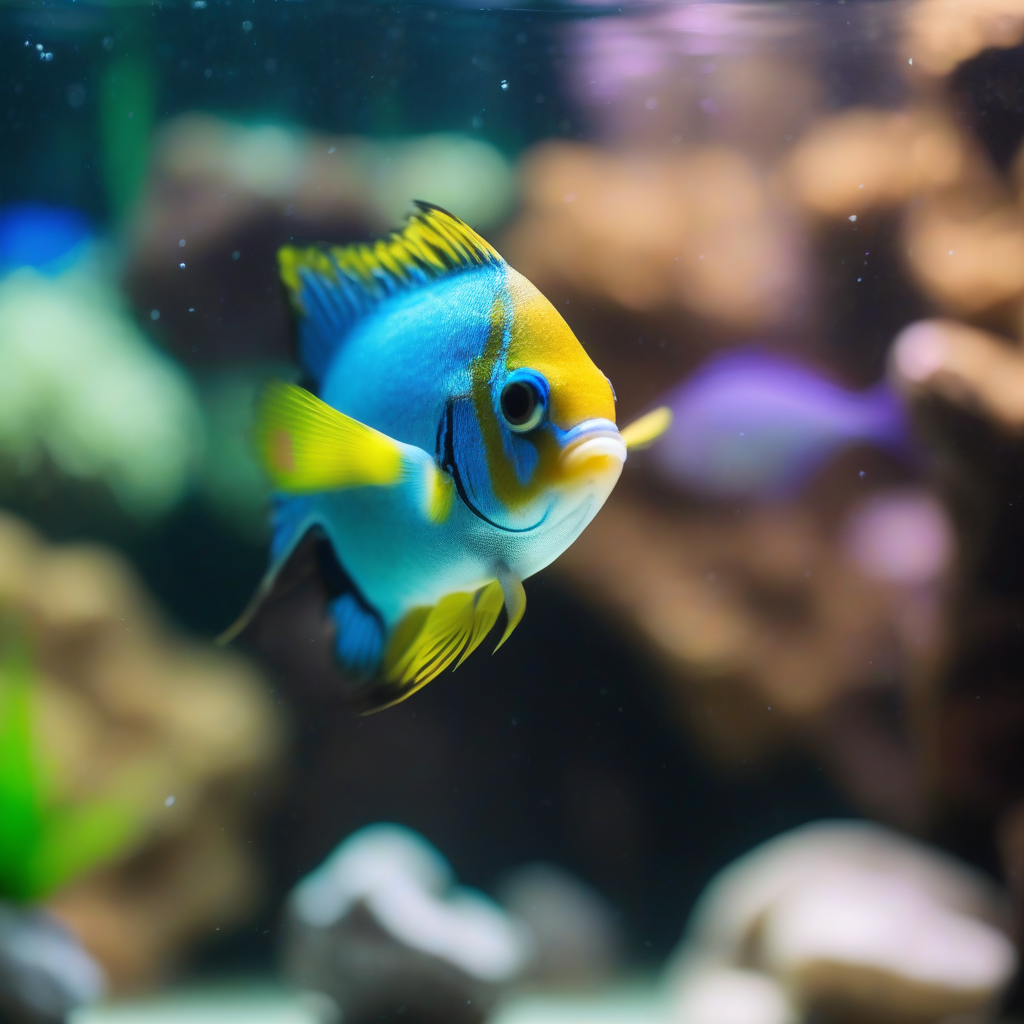
In this article, you will find comprehensive information on the insidious neurotoxic effects of heavy metal poisoning in aquarium fish, its symptoms, and lifesaving emergency intervention codes. This condition, which can arise from household water sources, improper equipment, or neglect, can severely threaten your fish's quality of life and lifespan.
Aquarium fish, with their exotic colors and calming movements, are indispensable members of our homes. However, behind the tranquility of their underwater world lies the truth that their skin, one of their most fundamental defense mechanisms, is constantly exposed to microbiological threats. Fish skin is not merely composed of shiny scales; it is also the first line of the immune system, a biological armor against the outside world, and a sensitive sensory organ. Damage to this invisible shield leaves 'scars' that deeply affect your fish's overall health and often go unnoticed.
In this article, we will thoroughly examine the microbiological enemies that threaten your fish's skin health, the 'invisible scars' caused by these insidious threats, and 5 scientific protection shields you can implement in your aquarium to protect them.
Contrary to popular belief, fish skin has a rather complex structure. Comprising layers such as the epidermis, dermis, and scales, this structure provides protection against external physical impacts while also being covered by a protective layer (mucosa) secreted by specialized mucus cells. This mucus layer acts as a chemical barrier against pathogens, containing antimicrobial proteins and antibodies. Furthermore, it aids in the fish's osmoregulation and enhances swimming efficiency by reducing friction. However, this shield can weaken in the face of poor water quality, stress, or physical injuries, making fish vulnerable to microbiological attacks.
The most common microbiological threats in fish aquariums are typically bacterial and fungal infections. These pathogens are generally naturally present in the aquatic environment but cause opportunistic infections when the fish's immunity is weakened or the skin barrier is damaged.
Bacterial Infections: Conditions such as Fin Rot, Columnaris, and body ulcers are often triggered by bacteria like Aeromonas, Pseudomonas, and Flavobacterium. Fin rot begins with the disintegration and reddening of fin edges, and if it progresses, the fins can be completely destroyed. Body ulcers appear as open, red sores on the skin. These infections can severely impair the fish's mobility, feeding patterns, and general well-being, leading to death. Such conditions can also be triggered by environmental stress factors, similar to those discussed in Your Fish's 'Silent Scream': A 5-Minute Lifesaving Scientific Emergency Guide for Aquarium Poisoning!.
Fungal Infections: Fungal infections, typically caused by Saprolegnia species, appear as cotton-like white patches or filamentous growths on the fish's skin. These infections usually establish themselves on an existing wound or damage to the fish's skin and can spread rapidly. Fish with weakened immune systems or those suffering from nutritional deficiencies, perhaps due to Your Fish's 'Hidden Energy Crisis': 5 Invisible Behavioral Disorders Triggered by Insufficient Carbohydrates and Fiber, and Scientific Solutions!, are particularly susceptible.
Taking proactive steps is vital to ensure your fish have a strong defense against microbiological threats:
Clean and balanced water is the foundation of healthy fish skin. Regularly checking ammonia, nitrite, and nitrate levels, and maintaining appropriate pH, temperature, and hardness values are essential. Sudden changes in water parameters can cause severe stress reactions in fish, such as Your Fish's 'Silent Shock' Moment: Aquarium Sudden Salt Imbalance and 5 Lifesaving Scientific Interventions, weakening the skin barrier. Regular water changes and effective filtration systems keep the pathogen load to a minimum.
A varied and balanced diet strengthens your fish's immune system. Vitamins (especially C and E), beta-glucans, and probiotics are important nutrients that support skin health and increase resistance to pathogens. Using high-quality feeds and avoiding overfeeding also helps maintain water quality.
Stress suppresses fish immune systems, making them vulnerable to diseases. Factors like hiding places (plants, decorations), appropriate lighting, and proper Your Fish's 'Secret Water Dance': Neurobiological Secrets of Microcurrents in the Aquarium and 5 Critical Biomechanical Adjustments for Maximum Welfare! help fish feel secure and reduce stress. Keeping compatible species together and avoiding overcrowding are also crucial.
Careful daily observation of your fish allows you to notice early signs of skin problems or behavioral changes. Symptoms such as fin tearing, color fading, skin lesions, or abnormal swimming patterns can indicate the onset of an infection. As with Your Fish's 'Invisible Internal Parasites': Stealthy Threats and 5 Critical Early Detection Secrets!, prompt and accurate diagnosis increases treatment success. In suspicious cases, consulting a veterinarian is the most appropriate approach.
Regular cleaning of the aquarium, gravel vacuuming, and disinfection of decorations reduce the pathogen load. Implementing a quarantine protocol before adding new fish is a critical step to protect the health of existing fish in the aquarium. As noted in Your Fish's 'Invisible Root System': 5 Unknown Physiological Effects of Aquarium Substrate and Optimal Care Secrets!, substrate selection and maintenance also play a significant role in preventing pathogen accumulation.
Your fish's skin is a complex and vital organ that should not be overlooked. Protecting them against microbiological threats that can leave 'invisible scars' requires conscious aquarium management and scientifically based care strategies. By implementing these 5 protection shields, you can ensure your underwater companions lead long, healthy, and happy lives. Remember, healthy skin is the first sign of a healthy fish.
