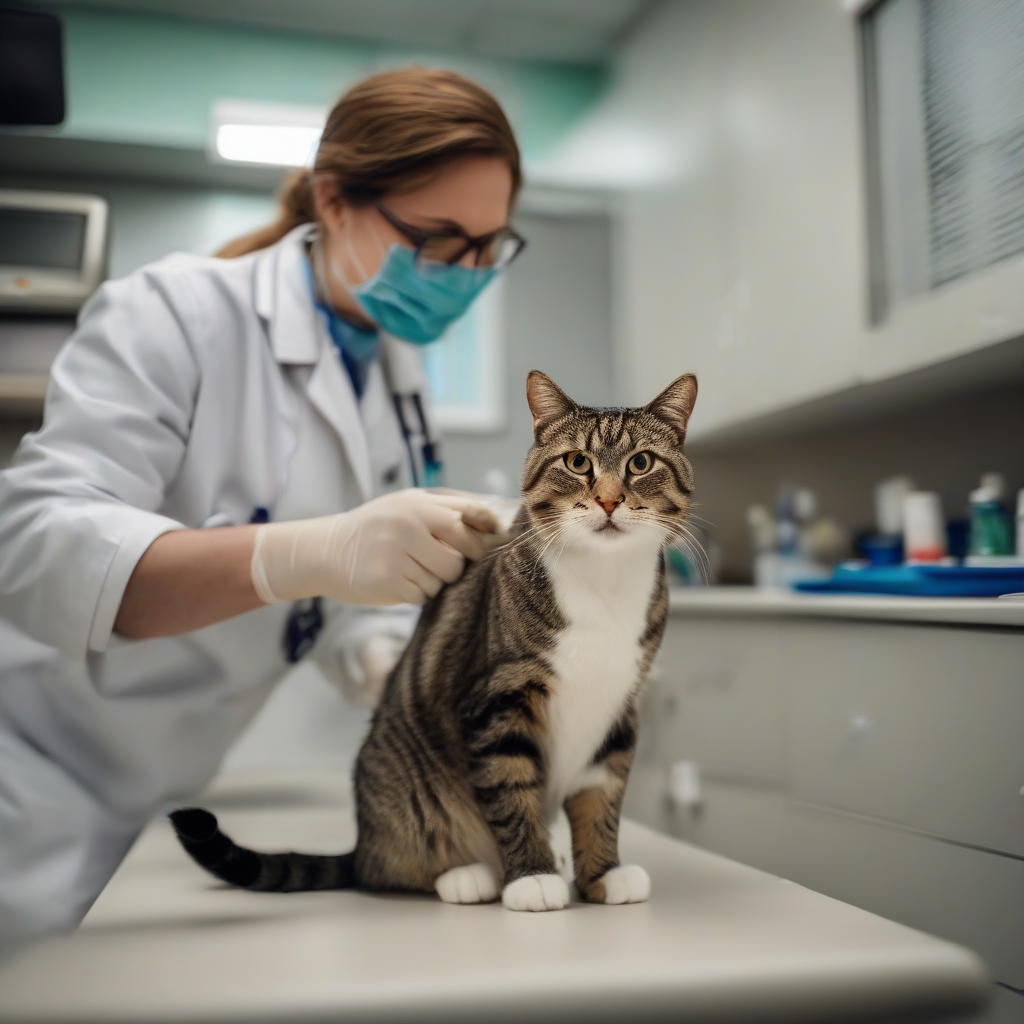
Your cat can face unexpected poisoning dangers at home. In this article, discover the most common household poisoning sources, their symptoms, and immediate life-saving scientific intervention steps.


In this article, we will deeply explore the insidious neurobiological effects of gut microbiome imbalance (dysbiosis) on your rabbit's brain health and provide scientific-based solutions to maintain mental vitality.

In this article, you can find comprehensive information on how pancreatitis in dogs not only affects the digestive system but also insidiously impacts the brain, its neuroinflammatory mechanisms, and lifesaving emergency intervention strategies.

Discover the 5 insidious effects of overfeeding, one of the most stealthy threats to your fish's health, causing neurometabolic destruction in their brains, and learn scientific feeding strategies to prevent this demise. Uncover the silent danger in your aquarium!
Every cat owner bears a significant responsibility for their furry friend's health and safety. However, even the most loving home environments can sometimes harbor invisible dangers for our cats. One of the most serious among these is household poisoning. At times, seemingly innocent plants, cleaning products, or even certain human medications can have fatal consequences for our cats. In this article, we will delve deeply into the most insidious poisoning dangers your cat might encounter at home and, most importantly, the life-saving scientific intervention steps you must take immediately in such a situation.
Cats have a different metabolism compared to dogs and other domestic animals. Due to deficiencies in their liver enzymes, they cannot metabolize certain substances as effectively as humans or dogs. This can cause specific chemicals to remain in a cat's system for longer and exert a more potent toxic effect. For instance, cats' bodies struggle to break down common painkillers like paracetamol, leading to liver failure.
Many common houseplants are dangerous to cats. Particularly lilies (all varieties), dieffenbachia, cyclamen, spider plants (though less severe, can cause stomach upset), and aloe vera can cause serious health problems if nibbled or ingested by cats. It's crucial to remember that even small amounts of lily leaves, flowers, or pollen can lead to kidney failure. If you suspect your cat has ingested any of these plants, seeking immediate veterinary attention is vital.
Bleach, detergents, limescale removers, toilet bowl cleaners, and even some air fresheners are extremely toxic to cats. Contact with these products or accidental ingestion can cause burns in the mouth and digestive system, nausea, vomiting, and more severe internal organ damage. Keeping your cat in a separate room during cleaning and storing cleaning products safely is the most prudent approach.
One of the most dangerous sources of poisoning for cats is human medication. Over-the-counter painkillers like paracetamol (acetaminophen), ibuprofen, and naproxen can cause liver and kidney failure and damage to red blood cells in cats. Never administer any medication to your cat without veterinary advice.
Antifreeze (ethylene glycol) can be attractive to cats due to its sweet taste. However, even small amounts can lead to sudden and fatal kidney failure. Extreme caution must be taken regarding antifreeze leaks in garages or under vehicles, and your cat's access to such areas should be prevented.
Although pet food is generally considered safe, some human foods can be toxic to cats. Members of the allium family, such as onions, garlic, and leeks, can damage cats' red blood cells, leading to anemia. Grapes and raisins are thought to cause kidney failure. Chocolate (especially dark and bitter chocolate) contains a substance called theobromine, which can cause vomiting, diarrhea, tremors, heart rhythm irregularities, and seizures in cats.
The symptoms of poisoning can vary depending on the substance involved, the amount ingested, and the cat's body weight. However, there are some critical signs to be aware of:
If you suspect your cat has been poisoned, time is of the essence. Without panicking, stay calm and follow these steps:
First, take a deep breath. Observe any substance your cat may have ingested, sniffed, or come into contact with. If possible, try to determine what the poisonous substance is and the extent of exposure. This information is critical for your veterinarian.
The first and most important action to take if poisoning is suspected is to immediately call a veterinarian and report the situation. Poison control centers or emergency veterinary clinics will provide you with the most accurate guidance. When providing information by phone, specify your cat's species, age, weight, and the suspected substance as clearly as possible.
Your veterinarian will give you clear instructions over the phone regarding what to do. These instructions may include first-aid methods you can apply at home or direct you to bring your cat to the clinic immediately. Do not, under any circumstances, administer emetic drugs yourself or give your cat water, as this can be more harmful depending on the substance. Only follow the specific methods recommended by your veterinarian.
If your cat has ingested a poisonous plant, swallowed a medication, or come into contact with a chemical substance, bring the substance, its container, or a part of it with you to the clinic if possible. This will help your veterinarian quickly determine the correct treatment.
Once you reach the clinic, keep your cat under the veterinary physician's observation. Their professional knowledge and experience are the best guarantee for your cat's quickest recovery. Poisoning incidents can often be successfully treated with prompt and accurate intervention.
Remember, your cat's safety is in your hands. Making your home safer for them and being prepared for potential dangers are the most important steps you can take to ensure they live a long and healthy life. If you wish to learn more about your cat's communication within the home, you can review our article titled Your Cat's 'Invisible Communication Maze': 5 Subtle Body Language Signs and Scientific Ways to Resolve Misunderstandings!. Additionally, content such as Your Cat's 'Secret Social Code': 5 Critical Neuroscientific Secrets for New Home Adaptation! can guide you regarding your cat's stress management and adaptation to new environments.
