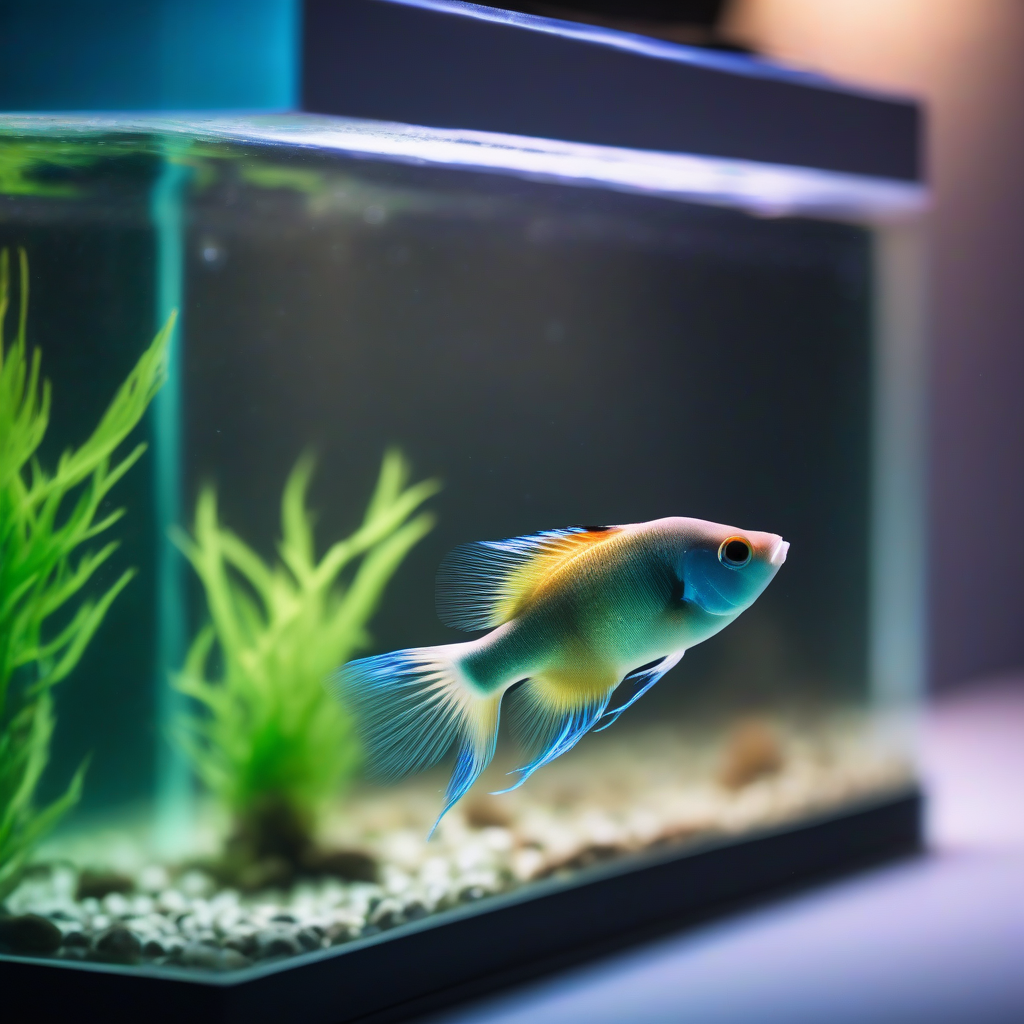
In this article, you can find comprehensive information about the 'silent shock' caused by sudden salt imbalance in your fish, its symptoms, and 5 lifesaving scientific intervention methods.


Discover the neurobiological signals of hidden stress your newly adopted cat experiences during adaptation to a new social environment. This article reveals 5 insidious signs of your cat's silent struggle and scientific strategies for peaceful, long-term harmony.

Your dog's anal sacs, located beneath the tail, can be hidden alarm bells often overlooked but profoundly affecting their quality of life. In this article, you will discover the 5 insidious neurobiological effects of anal sac problems on the brain and the lifesaving care secrets you need to know for your furry friend to live a peaceful life.
In this article, you will find comprehensive information on the insidious neurotoxic effects of heavy metal poisoning in aquarium fish, its symptoms, and lifesaving emergency intervention codes. This condition, which can arise from household water sources, improper equipment, or neglect, can severely threaten your fish's quality of life and lifespan.
The delicate balance of your fish in the aquarium environment is extremely sensitive to sudden changes in water chemistry. Especially unexpected fluctuations in salt concentration can lead to a life-threatening situation for your tiny friends, known as 'silent shock'. This condition is even more dangerous because it often progresses without showing obvious visible symptoms. Based on scientific data and expert opinions, we will delve into the 5 most critical interventions you can apply if your fish faces such a crisis.
Salinity is vital for fish to maintain the osmotic balance of their body fluids. Freshwater fish constantly excrete water to balance their body fluids, which have a higher salt concentration than their environment. Saltwater fish, on the other hand, try to prevent salt from leaving their bodies. A sudden change in salt concentration disrupts this delicate balance. For freshwater fish, if the aquarium water suddenly becomes salty, or for saltwater fish if it becomes fresh, it can cause cells to lose water or take in too much water, disrupting organ functions.
The 'silent shock' condition caused by sudden salt imbalance is known for its insidious onset. In the early stages, you might notice slight changes in your fish's behavior, but these are often overlooked. Here are the critical symptoms to watch out for:
If you suspect sudden salt imbalance in your fish, do not waste time and apply the following scientifically based interventions:
If you suspect a sudden increase in salinity (e.g., if too much salt was accidentally added), it is essential to gradually reduce the salt concentration of the aquarium water. Changing a large amount of water at once can stress the fish further. Instead, change the water in small batches over several hours. Research the ideal salinity level and slowly progress towards the target suitable for your fish species. For instance, as mentioned in the article Your Fish's 'Invisible Calcium Fight': Stealthy Secrets Threatening Bone Health and 5 Scientific Rules for Balanced Nutrition, imbalances in water chemistry negatively affect overall health.
If the salt concentration is excessively high and your fish's life is in danger, it may be necessary to reduce the salinity by adding clean, dechlorinated freshwater. This process must be done very carefully as it can cause a sudden shock effect. Ensure the water temperature is the same as the existing water. Such emergencies require the same level of sensitivity as emergency interventions like those in Your Fish's 'Silent Scream': A 5-Minute Lifesaving Scientific Emergency Guide for Aquarium Poisoning!.
To diagnose the situation correctly, use an aquarium water test kit to measure the salinity level (by specific gravity or conductivity measurement) and other essential water parameters (pH, ammonia, nitrite, nitrate). This data will help you determine the source of the problem and establish the correct intervention plan. Informed interventions are critical for your fish's health.
Stress weakens a fish's immune system and slows down the recovery process. It is important to dim the aquarium lights, minimize noise, and avoid any activities that might disturb the fish. A calm environment increases the fish's chances of recovery. As highlighted in guides like Your Cat's 'Invisible Connection Break': 5 Scientific Steps for a Calm Adaptation in a New Home, reducing environmental stressors supports the recovery process.
If your fish's condition is serious or it does not show spontaneous improvement, it is best to consult a veterinarian specialized in aquariums or exotic animals. The veterinarian can recommend necessary electrolyte supplements, stress-reducing medications, or other supportive treatments specific to your fish species. The importance of professional help is also evident for the treatment of specific ailments, such as in Your Dog's 'Invisible Tear Drought': Stealthy Signs of Dry Eye Syndrome and 5 Scientific Steps to Prevent Vision Loss!.
While 'silent shock' caused by salt imbalance is dangerous, you can save your fish's life with early diagnosis and the correct scientific interventions. Regularly monitoring the water chemistry in your aquarium and being prepared for potential dangers will be your greatest assurance for the health of your tiny underwater friends.
