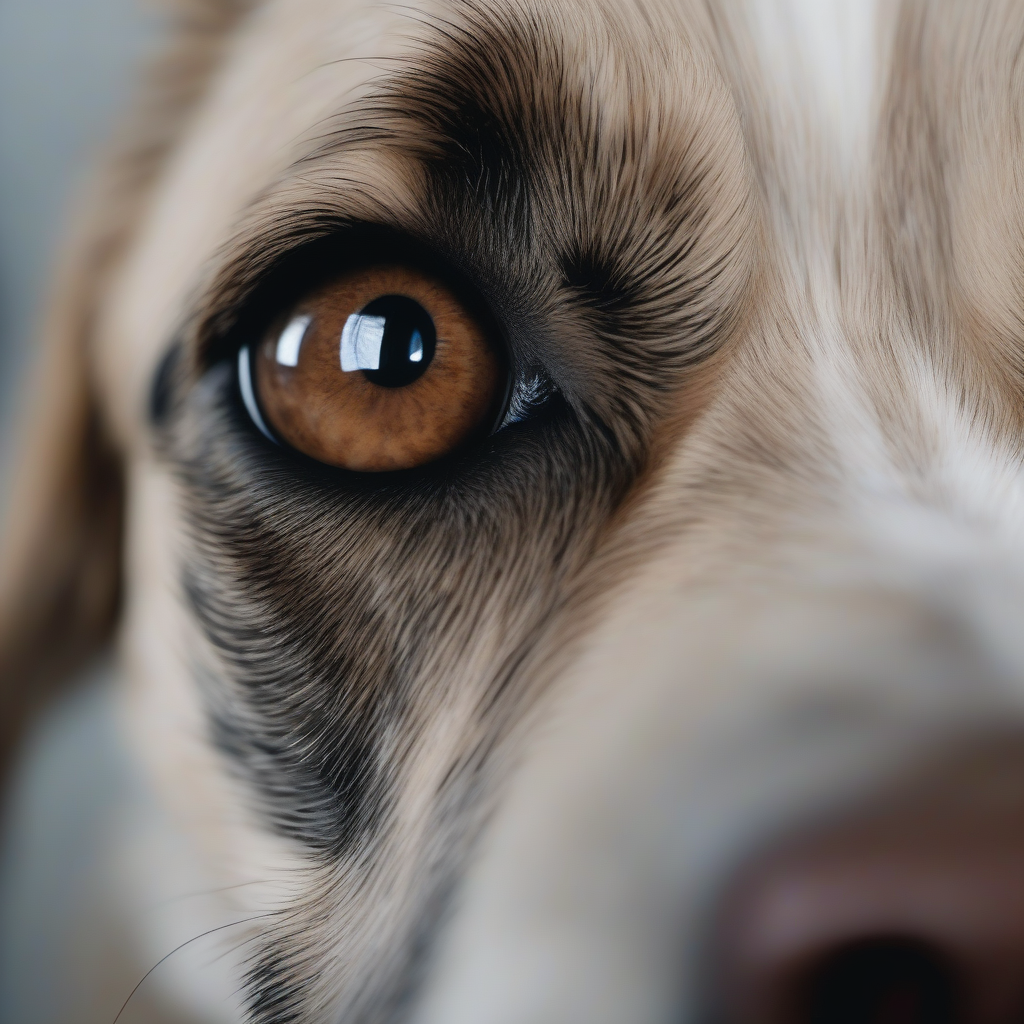
In this article, you will find comprehensive information on the scientific secrets of Dry Eye Syndrome (KCS) in dogs, which is often overlooked but can have serious consequences, as well as early diagnosis methods and critical steps to prevent vision loss.


Discover the neurobiological signals of hidden stress your newly adopted cat experiences during adaptation to a new social environment. This article reveals 5 insidious signs of your cat's silent struggle and scientific strategies for peaceful, long-term harmony.

Your dog's anal sacs, located beneath the tail, can be hidden alarm bells often overlooked but profoundly affecting their quality of life. In this article, you will discover the 5 insidious neurobiological effects of anal sac problems on the brain and the lifesaving care secrets you need to know for your furry friend to live a peaceful life.
In this article, you will find comprehensive information on the insidious neurotoxic effects of heavy metal poisoning in aquarium fish, its symptoms, and lifesaving emergency intervention codes. This condition, which can arise from household water sources, improper equipment, or neglect, can severely threaten your fish's quality of life and lifespan.
Our beloved companions' eyes are one of their most crucial connections to the world. However, a stealthy threat, often unknown to many dog owners, can slowly take away this precious sight: Dry Eye Syndrome, scientifically known as Keratoconjunctivitis Sicca (KCS). As of March 2026, advancements in veterinary medicine increasingly emphasize the importance of early diagnosis and treatment of this disease. In this article, we will delve into the scientific secrets behind your dog's tear film, the often-missed symptoms of KCS, and 5 critical steps to take to prevent vision loss.
Your dog's tears are not just a means of lubrication; they actually consist of a complex three-layered film that protects, nourishes, and cleans the eye surface. This film serves as a vital shield for eye health:
Dry Eye Syndrome (KCS) occurs when this aqueous layer is insufficiently produced or not produced at all. Due to inflammation or damage to the tear glands, the eyes cannot be adequately moisturized and protected. This leads to chronic irritation, infections, and ultimately impaired vision.
KCS is an autoimmune disease characterized by the loss of tear gland function. One of the most common causes in dogs is the immune system attacking its own tear glands. However, trauma, infections, certain medications, and congenital anomalies can also cause KCS. This condition leaves the eye vulnerable and exposed to external factors. Dryness of the eye can lead to permanent damage to the cornea and even ulcers. Similarly, inflammatory responses of the immune system are vital in all living beings; for example, research on your cat's immune warriors and the scientific secrets of inflammation in fur structure reveals the effects of inflammation on various body systems.
Some dog breeds are genetically predisposed to KCS. Breeds such as Cocker Spaniel, West Highland White Terrier, Shih Tzu, Bulldog, Pugs, and Cavalier King Charles Spaniel are at risk. Age is also a significant factor; the incidence of KCS increases in older dogs. Furthermore, systemic conditions like diabetes, hypothyroidism, and Cushing's disease can also affect tear production. Your dog's gut health and digestive system play a central role in overall immunity and inflammatory responses, which can also affect eye health.
KCS symptoms often progress slowly and can be easily missed. However, early diagnosis is critical for controlling the disease. Here are 5 stealthy signs to watch out for:
Paradoxically, tear deficiency can lead to a dark, mucous, or purulent discharge. This is a compensatory mechanism of the eye to moisturize itself and often results in dark stains on the fur. This discharge is not clear like normal tears and can often be mistaken for signs of infection.
Dryness and irritation in the eye can cause your dog to squint or blink more frequently than normal. This is a response to alleviate pain or discomfort on the eye surface. Sometimes light sensitivity may also accompany these symptoms.
A healthy eye appears bright and moist. In dogs with KCS, the eye surface may become dull and lose its sparkle. Over time, a blue-gray cloudiness or pigment accumulation (melanosis) can develop on the cornea, severely affecting vision.
Redness in the white part of the eye (sclera) and the inner part called the conjunctiva is a common symptom of KCS. This condition results from chronic irritation and inflammation on the eye surface. Environmental factors such as the sound and scent landscape in your dog's home environment can also exacerbate irritation.
Eye pain and discomfort can lead to changes in your dog's behavior. Light avoidance (photophobia), rubbing or pawing at the eyes, and even general restlessness and unwillingness to engage in normally enjoyable activities can be observed. Lack of interest in activities they usually enjoy can also be a sign.
KCS is a progressive disease that can lead to permanent vision loss if left untreated. However, it can be managed with the right scientific approaches:
KCS is typically diagnosed with a simple and quick test performed by a veterinarian, the Schirmer Tear Test. This test measures tear production and determines the presence and severity of the disease based on the amount of tears absorbed within 1 minute. Early diagnosis allows treatment to begin before permanent damage occurs to the cornea.
The cornerstone of treatment involves medications that increase tear production or suppress the immune system's attack on the tear glands. Immunomodulatory eye drops like cyclosporine and tacrolimus are the gold standard for long-term management. Additionally, corticosteroid drops may be used to reduce inflammation in the eye, and antibiotics may be prescribed to prevent secondary infections.
Artificial tear drops or gels provide support to the main treatment by keeping the eye moist and reducing discomfort. Furthermore, reducing irritating factors such as dust, smoke, and wind in your dog's living environment can help alleviate symptoms. Even wearing protective eyewear when going out in windy conditions can be considered.
KCS is a chronic disease requiring lifelong management. Regular veterinary check-ups are essential to assess treatment response, adjust medication dosages, and monitor for potential complications (e.g., corneal ulcers). This scientific and continuous approach to your dog's eye health will significantly improve their quality of life.
Nutritional supplements with anti-inflammatory properties, such as Omega-3 fatty acids, can play a supportive role in KCS management. Generally, a balanced and nutrient-rich diet can help reduce inflammation by supporting your dog's immune system. Your veterinarian will guide you on nutrition plans and supplements tailored to your dog's individual needs.
Your dog's eye health is critically important for their overall quality of life. Knowing the stealthy signs of Dry Eye Syndrome and intervening early is one of the most valuable steps you can take to protect your companion's vision. In case of any doubt, consulting your veterinarian without delay is the most accurate decision, supported by scientific data.
