In this article, discover your cat's hidden weight traps and scientific secrets to stop weight gain beyond the food bowl. Learn effective methods to trick their brain.


In this article, we will deeply explore the insidious neurobiological effects of gut microbiome imbalance (dysbiosis) on your rabbit's brain health and provide scientific-based solutions to maintain mental vitality.

In this article, you can find comprehensive information on how pancreatitis in dogs not only affects the digestive system but also insidiously impacts the brain, its neuroinflammatory mechanisms, and lifesaving emergency intervention strategies.

Discover the 5 insidious effects of overfeeding, one of the most stealthy threats to your fish's health, causing neurometabolic destruction in their brains, and learn scientific feeding strategies to prevent this demise. Uncover the silent danger in your aquarium!
We all want our cats to be as healthy and energetic as their shiny coats suggest. However, many cat owners unknowingly lead their feline companions into a series of 'hidden weight traps'. A full food bowl isn't always enough; tricking your cat's brain and preventing weight gain relies on deep scientific principles that go beyond mere feeding habits. As of March 2026, pet nutrition science has advanced far beyond conventional approaches, offering innovative solutions that consider our little friends' metabolisms and psychologies.
Many cats are prone to excessive weight gain due to genetic predisposition, lack of exercise, and incorrect feeding practices. This situation is not just an aesthetic concern but also opens the door to serious health problems like diabetes, joint issues, and heart disease. So, what are the real reasons behind this stealthy weight gain, and how can we overcome them with scientific methods?
Cats are naturally programmed to eat several small meals throughout the day. A constantly full food bowl disrupts this natural cycle. Your cat's brain, perceiving food as 'always available', can enter a state of constant fullness, which over time leads to a slowdown of their metabolism. A slower metabolism means that ingested calories are stored as fat rather than being burned.
Many dry foods available in the market do not fully meet cats' true nutritional needs. High carbohydrate content, artificial flavorings, and fillers can cause your cat to feel hungry sooner and consume excess calories. Especially grain-based or high-starch foods are not ideal for a cat's digestive system and can trigger weight gain. To understand your cat's nutritional needs, you can review our article Your Cat's Hidden Food Sensitivities: The Unseen Secrets of Their Digestive System and 5 Scientific Solutions for a Happy Cat.
Cats may crave food not only due to physical hunger but also for emotional reasons such as stress, boredom, or loneliness. This 'emotional hunger' causes your cat to look at you desperately every time they see their food bowl empty. Managing this requires understanding their psychology. Articles like Your Cat's 'Invisible Intention Readers': The Hidden Meanings Behind Human Gestures and Scientific Codes of Trust Building! can increase your awareness on this topic.
To achieve success in your cat's weight control, we need to go beyond the food bowl and scientifically optimize their feeding routines and interactions.
Once you determine your cat's ideal weight, scientifically adjust portions by calculating their daily calorie needs. Dividing the daily food amount into 2-3 separate meals mimics your cat's natural feeding rhythm and keeps their metabolism active. Establishing routine meal times conditions their brain to feed at specific times.
Cats are obligate carnivores. A diet that is protein-heavy and low in carbohydrates helps them maintain muscle mass and feel full for longer. High-quality protein sources boost your cat's energy levels, while unnecessary carbohydrates prevent weight gain. Your Cat's 'Unknown Energy Source': The Hidden Battles of High-Protein Diets and the Revolution in Digestive Secrets! will guide you on this.
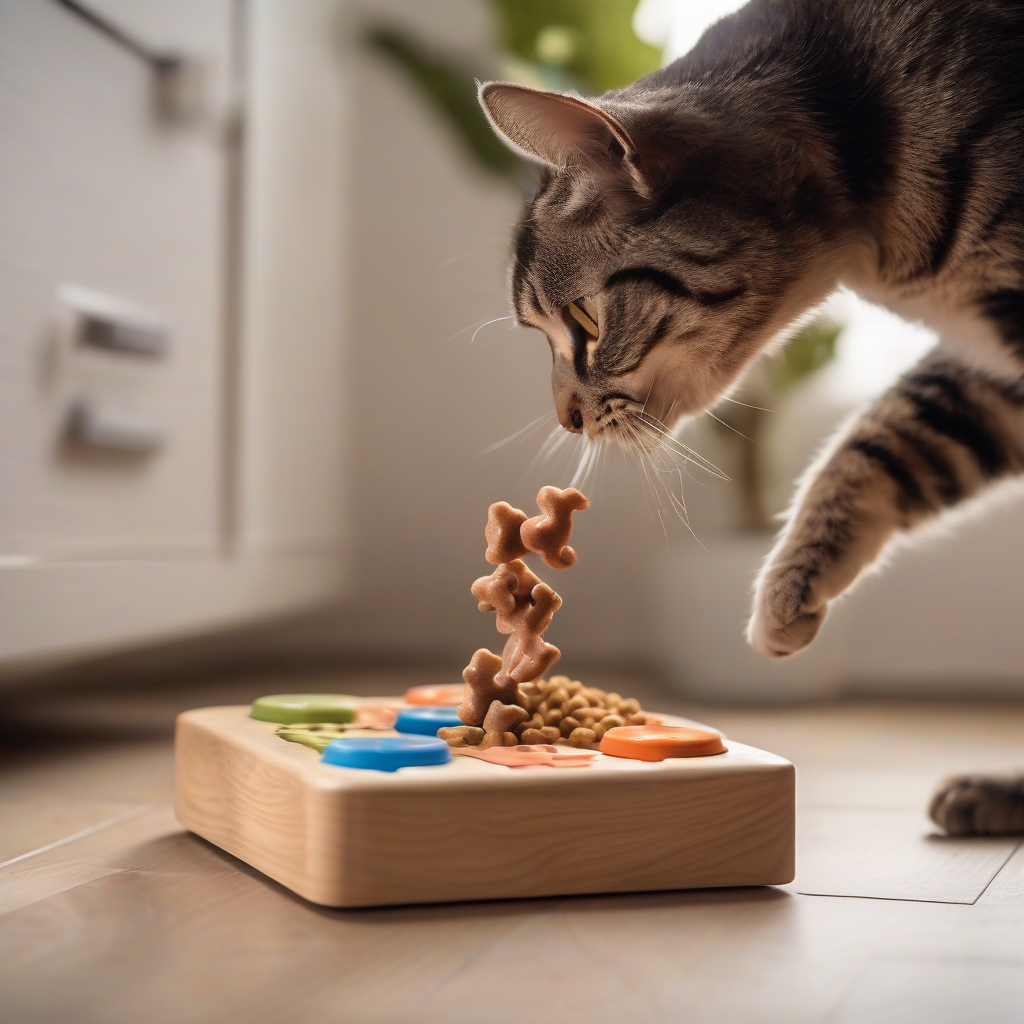
Transform the food bowl from a mere container into a 'play area'. Slow feeder bowls, food puzzles, or interactive toys ensure your cat is mentally and physically stimulated while eating their food. This makes the eating process more enjoyable and satisfies their 'predatory instincts'. This also aligns with the principles in our article Your Cat's 'Secret Play Language': From Hunting Instincts to Stress Relief, Scientific Secrets of Play and Keys to Behavioral Well-being!.
Treats and rewards, if not used correctly, can create a significant calorie load. Use them sparingly and strategically to support training or reinforce positive behaviors. Don't forget to account for them in the total daily calorie intake. You can even offer low-calorie, healthy alternatives (like a small piece of boiled chicken breast) occasionally instead of treats.
Encourage your cat to exercise regularly. Short play sessions a few times a day are crucial for their physical and mental health. Games with feather wands, laser pointers (used carefully), or small balls help your cat expend energy and contribute to weight management. However, it's important to remember that some stimuli like laser pointers may not always be satisfying and can lead to stress. Information from the article Your Cat's 'Invisible Stress Mirror': Stealthy Signs of Environmental Stimuli Reflected in Behavior and Psychological Solutions! is also relevant here.
Your cat's weight management program should be tailored to their individual needs. A veterinarian can assess your cat's overall health, determine their ideal weight, and create a personalized nutrition plan. Nutrition is not just about a full food bowl; it's a scientific process that directly impacts your cat's quality of life. Remember, a healthy cat is a happy cat.
