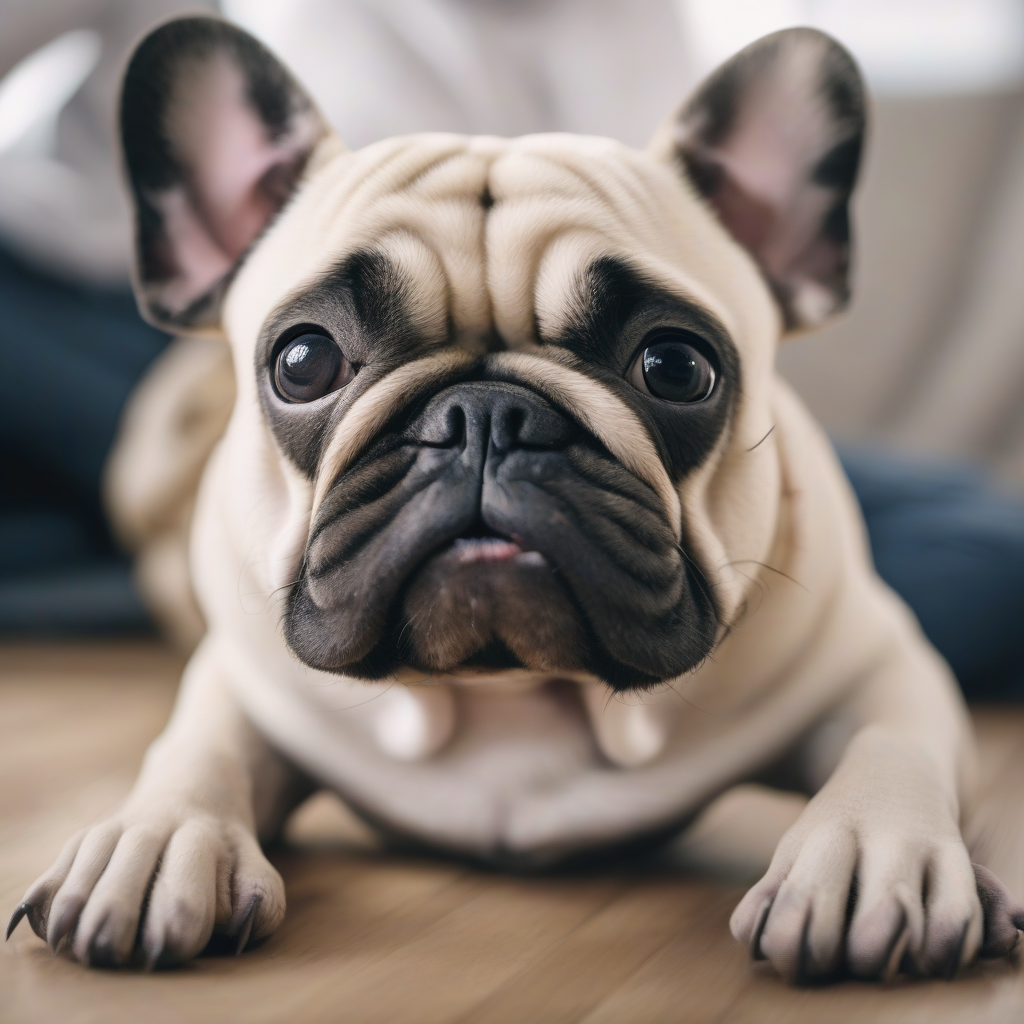
In this article, you will find detailed information on the scientific care of the unique skin folds in brachycephalic dog breeds, potential risks, and 5 common critical mistakes.

In this article, you will find comprehensive information on 5 neurotoxic shocks commonly encountered in rabbits due to poisoning, their triggers, symptoms, and lifesaving emergency intervention codes.
In this article, you will discover how to use the 'surprise expectation' mechanism in your bird's brain to boost their training motivation, the effects of dopamine release on learning, and 5 neurocognitive secrets to scientifically optimize reward schedules.

Did you know that cats are not just cute companions but surprisingly intelligent creatures that continuously develop their brains through play? In this article, you will discover how to uncover your cat's hidden perception map, how to increase their mental capacity with play-based learning, and 5 neurocognitive secrets to maximizing their potential. Here are the scientific ways to build a deeper bond with your feline friend and support their cognitive health!
Brachycephalic (short-nosed) dog breeds – such as Bulldogs, Pugs, French Bulldogs, and Boston Terriers – are known for their charming and distinctive facial features that win the hearts of millions. However, behind their unique appearance lies a critical care need often overlooked by owners: deep skin folds. These folds act like an 'invisible wrinkle labyrinth,' creating an ideal breeding ground for moisture, bacteria, and yeast. Without scientifically sound care, the health of our beloved companions can be seriously compromised. As of March 2026, we've compiled the latest scientific approaches and 5 critical overlooked mistakes regarding this topic for you.
Brachycephalic breeds' facial structure is genetically characterized by a shortened skull and consequently, excess skin. This creates deep folds and pockets, especially around the nose and eyes. The anatomical structure of these folds transforms them into a unique microclimate.
The areas between skin folds are warm and moist regions with poor ventilation. Unlike skin normally exposed to external factors, these areas are deprived of airflow. This situation leads to the accumulation of natural oils, sweat, and external pollutants on the skin surface. Scientific studies show that this microclimate provides an excellent breeding ground for bacterial (e.g., Staphylococcus) and fungal (especially Malassezia) infections. Chronic moisture and heat disrupt the integrity of the skin barrier, leading to inflammation (dermatitis) and itching. If left untreated, this can progress to painful ulcers and deep tissue infections.
Brachycephalic breeds often have more prominent eyes and lack protective bony structures. Deep folds at the bridge of the nose can impede tear drainage, causing tear fluid to accumulate in these folds. This accumulation leads to both skin irritation and increased infection risk. Furthermore, continuously moist eyes can lead to maceration (softening) and breakdown of the skin around the eyes. While a similar issue like Your Dog's 'Invisible Tear Drought': Stealthy Signs of Dry Eye Syndrome and 5 Scientific Steps to Prevent Vision Loss! can occur in these breeds, the problem here is often excessive moisture and insufficient drainage.
Among the most common problems observed in brachycephalic skin folds are intertriginous dermatitis (inflammation of skin folds), yeast dermatitis, and bacterial pyoderma. These conditions typically manifest with symptoms such as redness, itching, foul odor, discharge, and even hair loss. Early diagnosis and regular care are crucial to prevent these issues from becoming chronic.
Effective care for brachycephalic dogs' skin folds must be regular and based on scientific principles.
Skin folds should be cleaned at least once a day, and even more frequently in some cases. For cleaning, use special cleansing solutions or wipes recommended by your veterinarian, which are alcohol-free, fragrance-free, and suitable for the skin's natural pH balance. Products containing mild antiseptics like chlorhexidine can help control bacterial and yeast growth. During cleaning, gently reach into each fold using a cotton pad or gauze, removing accumulated dirt and moisture. Additionally, to protect against stealthy toxins at home, ensure cleaning products are pet-friendly.
Proper drying is as important as cleaning. Leaving moisture in the folds increases the risk of infection. After cleaning, carefully and gently dry each fold with a soft, absorbent cloth or cotton pad. Air drying may not be sufficient; therefore, always make sure to manually dry.
In some cases, your veterinarian may recommend special barrier creams or ointments to strengthen the skin barrier and reduce irritation. These products support the skin's natural protective layer, helping to lock in moisture and keep irritants out.
Your dog's diet has a direct impact on skin health. A high-quality diet rich in Omega-3 and Omega-6 fatty acids can support overall skin health and help reduce inflammation. Some brachycephalic breeds may be prone to specific food allergies or sensitivities, which can trigger skin problems. Discussing potential dietary changes with your veterinarian can provide long-term solutions.
Mistakes commonly made by brachycephalic dog owners can negatively impact their beloved companions' skin health.
Mistake: Some owners use aggressive scrubbing or harsh brushes due to concerns about dirt or odor in the folds. Solution: The outermost layer of the skin (stratum corneum) is extremely delicate. Excessive scrubbing or harsh materials can damage this barrier, making it easier for microorganisms to penetrate. Always use gentle movements and soft materials.
Mistake: Not drying the folds sufficiently after cleaning or allowing them to air dry. Solution: Moisture is an ideal environment for bacteria and fungal growth. Immediately after cleaning, completely dry each fold with a dry, soft cloth. Gently opening the folds for a few seconds to provide ventilation can also be beneficial.
Mistake: Using human skin products, alcohol-based disinfectants, or strongly fragranced soaps. Solution: Such products can dry out your dog's sensitive skin, cause irritation, and lead to allergic reactions. Always use veterinarian-approved, pet-specific, hypoallergenic, and pH-balanced products. Fragrance-free formulas should be preferred.
Mistake: Underestimating early signs such as redness, foul odor, itching, or discharge. Solution: Problems in skin folds can progress rapidly. Even at the slightest sign, monitor the situation closely and consult your veterinarian if necessary. Early intervention can prevent more serious and costly treatments.
Mistake: Reducing regular veterinary check-ups to only vaccination times and not seeking professional help for skin issues. Solution: Your veterinarian will assess your dog's skin health, diagnose potential problems early, and create a customized care plan for you. Annual health checks and periodic examinations specifically for skin folds should not be neglected.
Care for brachycephalic breeds' skin folds is not merely an aesthetic matter but a critical component for the quality of life and health of our beloved companions. These special care requirements should be an integral part of general grooming routines. Just like the scientific secrets of paw care, skin fold care requires a regular and knowledge-based approach.
Remember, combining love and care with scientific knowledge will ensure your brachycephalic dog lives a healthy and happy life in this 'invisible wrinkle labyrinth.' Always consult your veterinarian with any doubts or concerns. They are the experts who best understand the needs of these special breeds.
