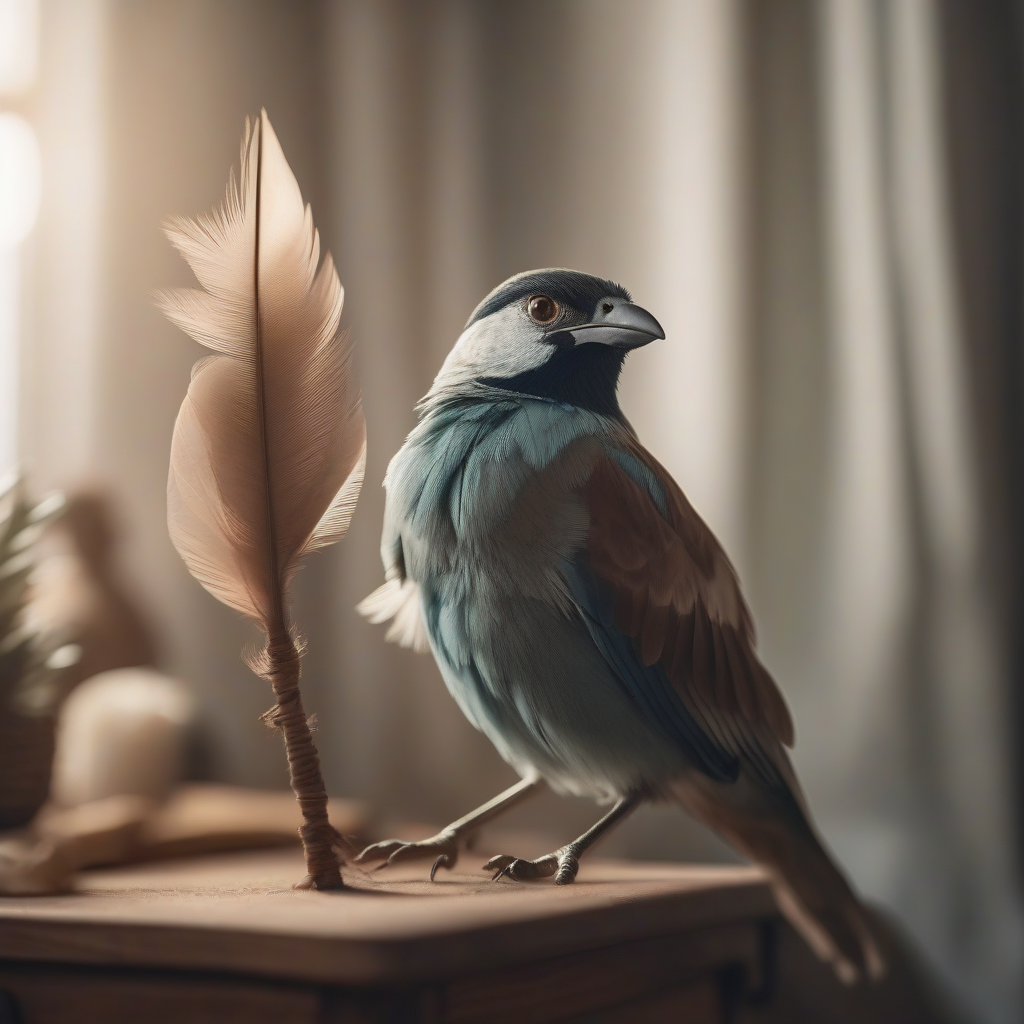
In this article, you will find the scientific reasons behind your bird's feather loss, factors affecting feather health, and 5 critical care protocols you can implement for lustrous feathers.


In this article, we will deeply explore the insidious neurobiological effects of gut microbiome imbalance (dysbiosis) on your rabbit's brain health and provide scientific-based solutions to maintain mental vitality.

In this article, you can find comprehensive information on how pancreatitis in dogs not only affects the digestive system but also insidiously impacts the brain, its neuroinflammatory mechanisms, and lifesaving emergency intervention strategies.

Discover the 5 insidious effects of overfeeding, one of the most stealthy threats to your fish's health, causing neurometabolic destruction in their brains, and learn scientific feeding strategies to prevent this demise. Uncover the silent danger in your aquarium!
Birds, with their magnificent plumage colors and diversity, are captivating creatures. However, occasional excessive feather loss can worry both bird owners and the bird itself. This can stem from a simple seasonal change to a serious underlying health issue. In this article, we will delve into the scientific secrets behind your bird's 'invisible feather struggle' and discuss 5 critical care protocols you can implement for vibrant, healthy feathers.
Molting, the process of shedding and replacing feathers, is a natural physiological process in birds. However, this process can sometimes exceed normal limits and require careful observation. Understanding the underlying causes of molting is the first step to providing proper care.
To ensure your bird's feathers remain healthy and lustrous, here are scientifically based care protocols you can implement:
Feathers are built from protein and various vitamins. A diet supplemented with fresh fruits and vegetables, alongside high-quality feed appropriate for your bird's species, directly impacts feather health. Foods rich in Vitamin A (carrots, sweet potatoes), B vitamins (leafy greens), Vitamin E (seeds), and zinc (certain seeds, green vegetables) are crucial.
Cage hygiene reduces the risk of parasites and infections, protecting feather health. Daily cleaning of food and water dishes, along with weekly thorough cage cleaning, is important. Furthermore, a cage of adequate size with good airflow, where your bird can feel comfortable, can prevent feather loss by reducing stress. Our article Your Bird's 'Invisible Prison': Scientific Secrets of Cage Size and Interior Design on Behavioral Well-being! will guide you on this matter.
The bird's sleep-wake cycle is critical for its hormonal balance and overall health. An lighting schedule that mimics natural light cycles can prevent overstimulation or lack of sleep, reducing feather loss. The article Your Bird's 'Light Rhythm Code': The Scientific Impact of Home Lighting on Sleep, Mood, and Hormones! explains the scientific data on this topic.
Feather plucking due to boredom and stress can result from a lack of mental stimulation. Toys, puzzle feeders, and interactive games to keep your bird engaged can indirectly improve feather health. Our article Your Bird's 'Silent Intelligence Pyramid': Scientifically Increase Problem-Solving Skills by 5 Times Through Games! details the benefits in this regard.
In case of any abnormal feather loss, consulting an avian veterinarian is the best course of action. The veterinarian can perform feather analysis, blood tests, and a physical examination to diagnose the underlying cause of the feather loss. Following up on topics like Your Bird's 'Secret Micro-Nutrient Vault': Scientific Secrets of 5 Rare Minerals That Prevent Illness Beyond Feed and having it evaluated by a professional is vital for your bird's health.
In conclusion, understanding your bird's feather loss requires patience, observation, and scientific knowledge. By implementing the care protocols mentioned above, you can ensure your bird's feathers remain healthier, more lustrous, and vibrant, and detect potential health issues early.
