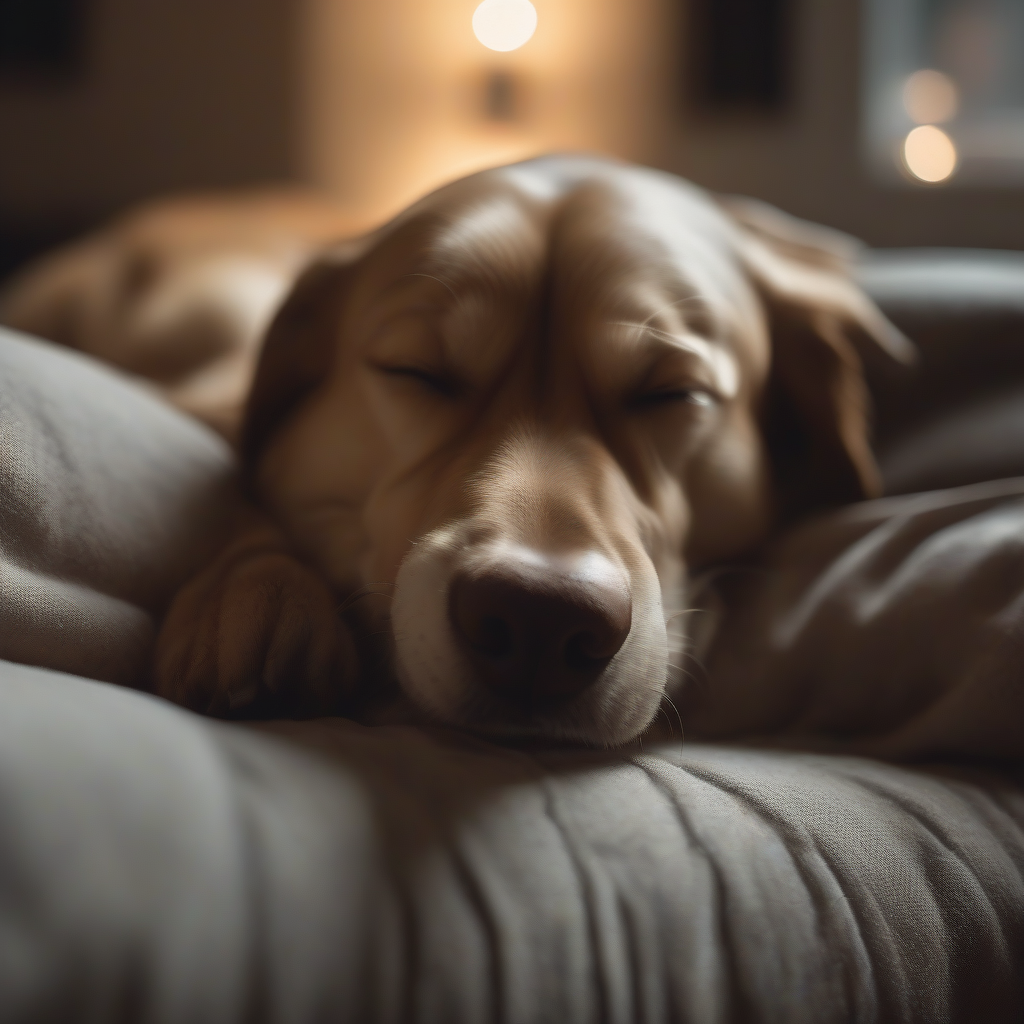
In this article, we delve into the scientific impact of home lighting on your dog's biological clock, sleep patterns, mood, and hormonal balance, discovering critical adjustments for an optimal living environment.

In this article, we will deeply explore the insidious neurobiological effects of gut microbiome imbalance (dysbiosis) on your rabbit's brain health and provide scientific-based solutions to maintain mental vitality.
In this article, you can find comprehensive information on how pancreatitis in dogs not only affects the digestive system but also insidiously impacts the brain, its neuroinflammatory mechanisms, and lifesaving emergency intervention strategies.

Discover the 5 insidious effects of overfeeding, one of the most stealthy threats to your fish's health, causing neurometabolic destruction in their brains, and learn scientific feeding strategies to prevent this demise. Uncover the silent danger in your aquarium!
Your dog's living space in your home is more than just four walls and a bed; it's a complex micro-ecosystem that deeply affects their physical and mental health. One of the least understood, yet perhaps most powerful, components of this system is light. The light you see silently shapes your dog's biological clock, mood, sleep quality, and even hormonal balance. As of March 2026, our scientific understanding of pet well-being clearly demonstrates how critical lighting is not only for vision but for the circadian rhythms of all living beings.
Every living creature has an internal clock synchronized with our planet's 24-hour rotation; this is called the circadian rhythm. This rhythm regulates vital functions such as the sleep-wake cycle, hormone secretion (melatonin, cortisol), body temperature regulation, and metabolism. Dogs are strongly linked to this rhythm, and the natural light-dark cycle in their environment is the most fundamental mechanism for setting this internal clock.
Bright light received during the day, especially light rich in the blue spectrum, triggers the secretion of cortisol, a hormone that keeps the brain awake and promotes activity. In contrast, with the darkness of evening, the hormone melatonin takes over, preparing the body for rest and repair. This delicate balance has evolved over centuries in nature and can easily be disrupted in a modern home environment.
Modern homes are filled with artificial lighting sources like LEDs and fluorescents that can provide bright light at any time of day. This can create "light pollution" for dogs, just as it can for humans. High-intensity, blue-spectrum light exposure, especially in the evening, can suppress melatonin production, thereby reducing your dog's sleep quality. Chronic sleep disturbances can lead to a wide range of negative effects, from weakening the immune system to behavioral problems.
Just as your dog's scientific codes of sound and scent landscape in the home environment are vital, their visual environment is also crucial for their well-being. Incorrect lighting can increase your dog's perceptual load, leading to overstimulation and stress.
Scientific studies show that dogs have different photoreceptor cells and visual spectrums than humans. However, ganglion cells containing melanopsin, which regulate their circadian rhythms, play a critical role in light perception. These cells detect the presence and intensity of light rather than perceiving images, directly affecting melatonin secretion.
To ensure your dog lives a happy and healthy life at home, it is important to re-evaluate your lighting strategies in light of science.
During the day, allow as much natural sunlight into your home as possible. Open curtains and blinds. Ensure your dog has an area where they can bask in the sun and access daylight. Natural light is the most effective way to correctly set the circadian rhythm.
Provide as much complete darkness as possible in your dog's sleeping area at night. Use blackout curtains or blinds to prevent light leakage. If they need to get up at night, use a very low-intensity, red or amber-toned night light. These colors have the least impact on melatonin production.
Especially in the evening, avoid using blue-spectrum-heavy light sources like LEDs and fluorescents. Instead, opt for warm yellow-toned bulbs with a low Kelvin value (2700K and below). Use dim and warm lights during evening meal and pre-bedtime routines to help your dog's body prepare for sleep.
Use different light intensities for different areas of your home. Daytime play and activity areas can be brighter, while resting and sleeping areas should be dimmer. Dimmer switches allow you to adjust light intensity as needed, and understanding the psychological secrets of these routine changes facilitates your pet's adaptation.
Consistency in turning lights on and off helps regulate your dog's circadian rhythm. Create a consistent cycle by opening curtains at a specific time in the morning and dimming lights at a specific time in the evening. This routine is especially important for animals experiencing environmental restrictions like feline enclosure syndrome, but also enhances well-being for your dog.
The lighting in your dog's living space is far more than just a decorative element; it's like an invisible yet powerful conductor for their health, behavior, and overall well-being. With correct lighting strategies, you can support your companion's circadian rhythm, improve sleep quality, reduce stress, and help them live a longer, happier life. These small adjustments made in the light of science can make a big difference in your dog's life.
