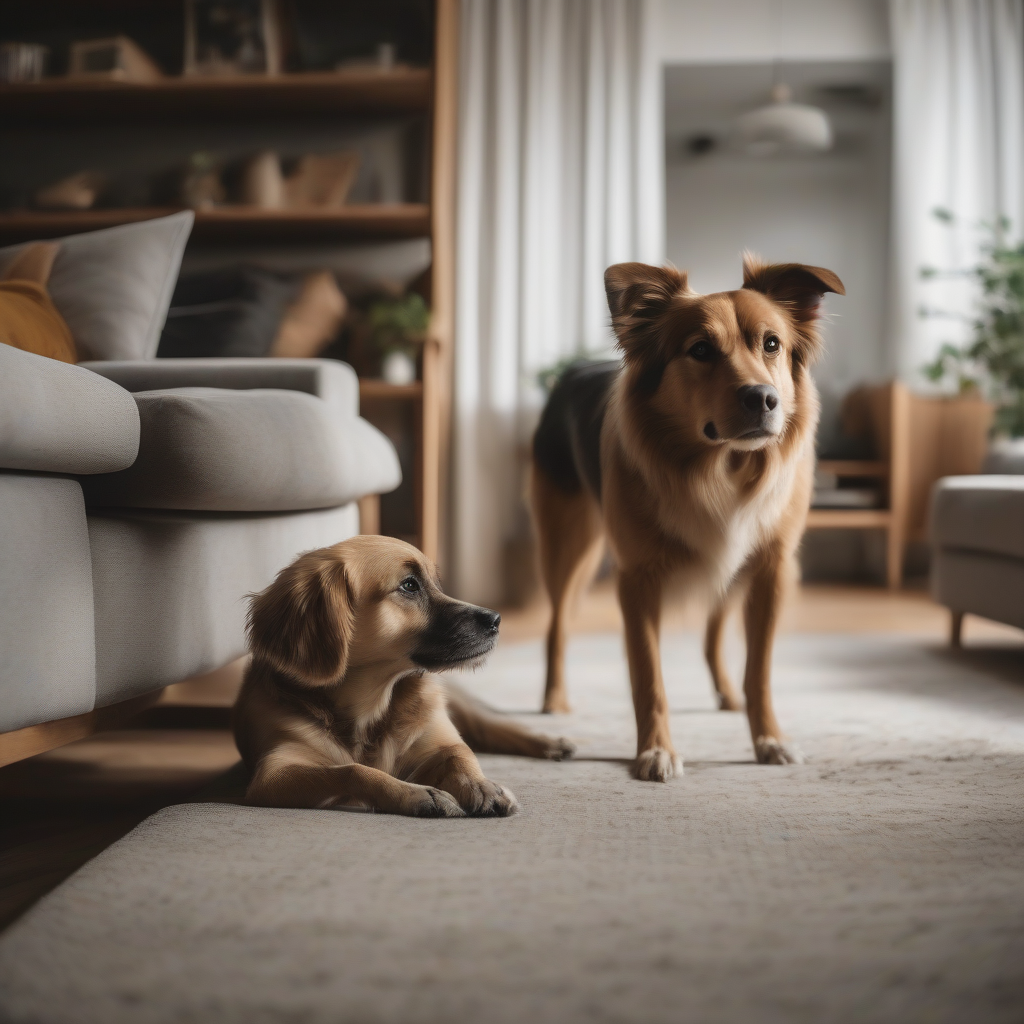
Your dog's adaptation to a new home is a sensitive process. In this article, discover the scientific codes of the first 7 days, how to rebalance your dog's 'invisible social compass,' and strategies for building trust.


In this article, we will deeply explore the insidious neurobiological effects of gut microbiome imbalance (dysbiosis) on your rabbit's brain health and provide scientific-based solutions to maintain mental vitality.

In this article, you can find comprehensive information on how pancreatitis in dogs not only affects the digestive system but also insidiously impacts the brain, its neuroinflammatory mechanisms, and lifesaving emergency intervention strategies.

Discover the 5 insidious effects of overfeeding, one of the most stealthy threats to your fish's health, causing neurometabolic destruction in their brains, and learn scientific feeding strategies to prevent this demise. Uncover the silent danger in your aquarium!
A new home signifies a significant change for a dog, just as it does for humans. Familiar scents, known faces, and secure spaces are left behind. The intense emotional and mental processes a dog experiences during this transition are akin to recalibrating an 'invisible social compass.' For this compass to find its true north, enabling your dog to adapt healthily and form a deep bond with you, is critically important. As of March 2026, scientific advancements in pet welfare are opening new doors to understanding and managing this adaptation process.
The first 48 hours after your dog steps into a new home are like trying to find their way through a forest of unknowns. During this period, meeting your dog's basic needs and providing a safe space are paramount. Principles from articles like Your Hamster's First 48 Hours: Scientific Secrets to Building 'Invisible Bridges' in a New Home! can be adapted for dogs. Firstly, create a comfortable 'safe corner' for your dog, perhaps with their own scents, which will serve as a sanctuary. Avoid excessive attention or forceful interactions; allow your dog to initiate engagement with you. Having consistent locations for food and water bowls and the sleeping area are the first steps in establishing a routine.
After the initial shock subsides, your dog begins to explore their new environment and their relationship with you. Patience and consistency are the most crucial keys during this phase. As highlighted in our work, Your Cat's 'Invisible Social Territories' in a New Home: Scientific Codes to Overcome Separation Anxiety and Build Trust, reading your dog's social cues is essential. Avoiding direct eye contact, giving them space, and using positive reinforcement methods will strengthen the trust bond. Short, positive training sessions provide mental stimulation and enhance communication between you and your dog.
By this stage, it's expected that your dog has taken the first steps and has begun to adjust to their new surroundings to some extent. However, this does not mean adaptation is complete. Regular activities such as daily walks, playtime, and potty breaks help your dog recalibrate their 'invisible social compass.' The article Your Dog's 'Invisible Social Codes' in a New Home: The Science of First 7 Days of Adaptation and Trust Building! emphasizes how critical this period is. Feeding at specific times, playing at specific times, and resting at specific times allow your dog to develop a predictable worldview. These routines reduce their stress and reinforce their sense of security in your relationship.
There are some 'invisible' dangers that can be overlooked during the adaptation process. Over-socialization attempts can overwhelm a dog. Issues like potty accidents or destructive behavior should be handled with patience and the right methods. Your dog's overstimulation, as detailed in Your Dog's 'Invisible Filter': The Scientific Secrets of Overstimulation's Impact on Training and Brain Reprogramming!, can negatively affect the training process. Therefore, providing a calm and controlled environment is essential.
The adaptation of your dog to a new home, when managed with love, patience, and science-based approaches, can become an enjoyable and successful experience for both you and your companion. Remember, the bond of trust you build during this process will lay the foundation for your future relationship.
