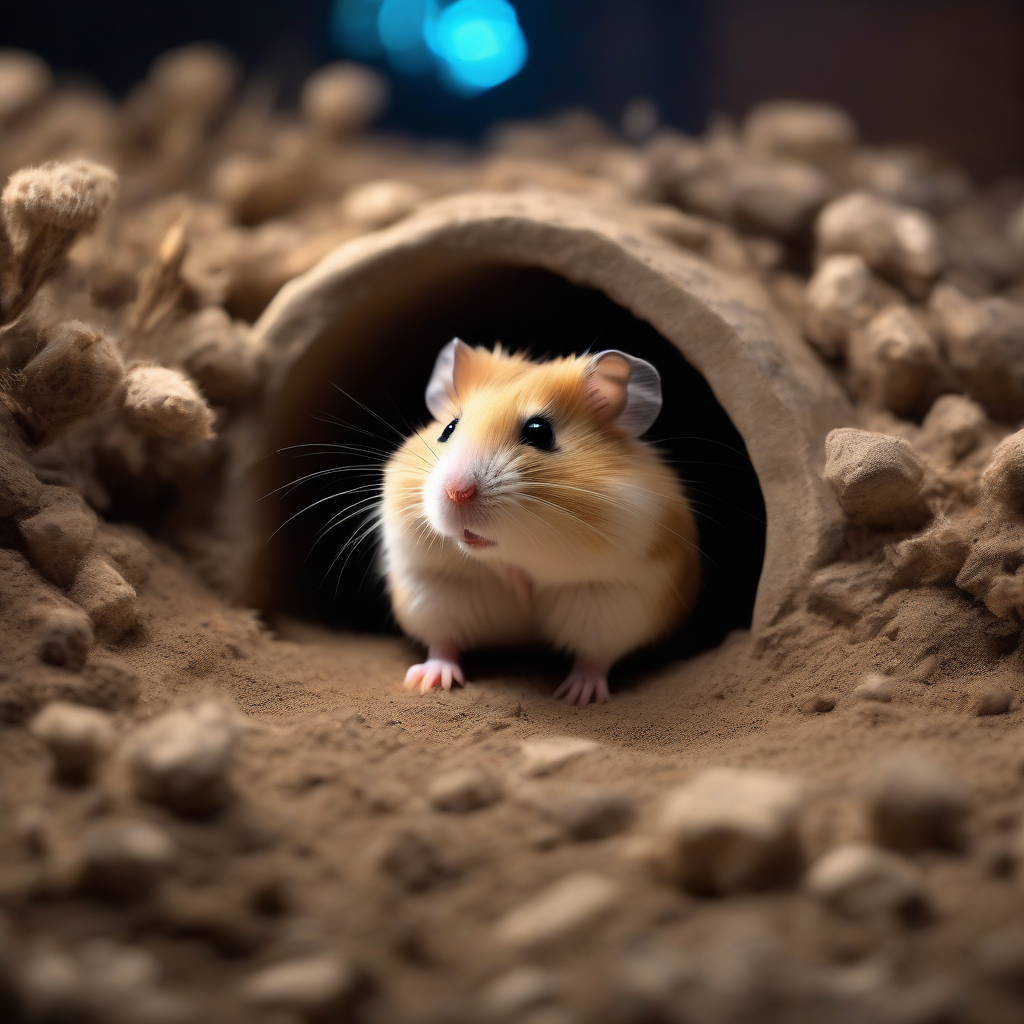
In this article, you will discover the profound biological clocks of hamsters, the psychological impacts of routine changes, and scientific management strategies for ensuring our small companions lead a peaceful life. Journey into your hamster's inner world to learn how to maximize its well-being.


In this article, we will deeply explore the insidious neurobiological effects of gut microbiome imbalance (dysbiosis) on your rabbit's brain health and provide scientific-based solutions to maintain mental vitality.

In this article, you can find comprehensive information on how pancreatitis in dogs not only affects the digestive system but also insidiously impacts the brain, its neuroinflammatory mechanisms, and lifesaving emergency intervention strategies.

Discover the 5 insidious effects of overfeeding, one of the most stealthy threats to your fish's health, causing neurometabolic destruction in their brains, and learn scientific feeding strategies to prevent this demise. Uncover the silent danger in your aquarium!
Our tiny companions, hamsters, possess a much more complex inner world than they might appear. A frequently overlooked but vital factor for their well-being is their 'invisible clock': their circadian rhythms and the routines dependent on them. As of March 2026, the latest scientific findings in pet psychology reveal how deeply these tiny creatures are bound to routines and that even the slightest change can create profound psychological effects. So, how can we understand your hamster's internal clock and what scientific strategies can we implement to offer it a peaceful life?
Like all living beings, hamsters have a 24-hour biological clock, known as the circadian rhythm. This rhythm is controlled by a small region in the brain called the suprachiasmatic nucleus (SCN) and is synchronized by environmental cues such as the light-dark cycle. Hamsters are naturally nocturnal creatures. This means their most active period, when they forage, arrange their burrows, and explore, is during the night. Their days are typically spent sleeping and resting.
This internal clock influences not only the sleep-wake cycle but also many physiological processes such as hormone secretion, body temperature regulation, metabolism, and even the immune system. Therefore, respecting your hamster's circadian rhythm is critical for its overall health and behavioral well-being. This rhythm is a significant part of their 'invisible mind map' hamster-invisible-mind-map-social-identity-territorial-loyalty and constantly interacts with environmental stimuli.
For a hamster, routine is like a security blanket. A predictable environment minimizes stress and boosts self-confidence. However, when this routine is disrupted, the effects can be not only behavioral but also physiological. Scientific research indicates that sudden and frequent routine changes can lead to the following psychological and physiological responses in hamsters:
Routine disruptions activate the hamster's hypothalamus-pituitary-adrenal (HPA) axis, increasing the release of the stress hormone cortisol. Chronically high cortisol levels can weaken the immune system, lead to metabolic problems, and negatively impact overall health. This situation can even cause changes in their 'silent approval signals' hamster-silent-approval-signals-human-contact-scientific-codes, as they may avoid social interaction under stress.
As nocturnal creatures, being exposed to excessive stimulation during the day or not being active enough at night can completely disrupt their sleep patterns. This can lead to feeding issues such as loss of appetite or overeating, low energy, and even changes in exercise habits like running less on the wheel. This disrupts the rhythm of their 'secret night symphony' hamster-secret-night-symphony-underground-world-scientific-motivations-behavioral-wellbeing, hindering their natural behaviors.
Stressed hamsters may become more aggressive, timid, or apathetic than usual. They might exhibit behaviors such as excessive burrow guarding, biting, trembling, freezing, or disinterest in their surroundings. The 'invisible shock' hamster-invisible-shock-adaptation-stress-zeroing-scientific-secrets during the adaptation process to a new home can also trigger such behavioral changes.
Establishing and maintaining a consistent routine is crucial for your hamster's well-being. Here are scientifically proven strategies:
Feed your hamster at approximately the same time each day. Evening hours are ideal, aligning with their natural nocturnal nature. Avoid sudden diet changes, as these can lead to metabolic stress, similar to a 'silent metabolic shock' bird-silent-metabolic-shock-sudden-diet-changes-scientific-risks-safe-transition. The 'silent micro-ecosystem' hamster-silent-micro-ecosystem-habitat-biomechanical-secrets-behavioral-wellbeing-design-principles should be designed appropriately.
Regularly enrich your hamster's living space (new toys, tunnels, chewable materials), but introduce these changes gradually and predictably. Scheduling short, controlled playtimes at approximately the same time each day facilitates their adaptation to human interaction and reduces stress.
If you need to make a significant change, such as moving the cage or getting a new hamster cage, do so as slowly and gradually as possible. Allow your hamster time to adjust to the new situation. For example, when transitioning to a new cage, you can make the transition easier by transferring some familiar scents or materials from the old cage to the new one.
Observing behavioral changes for even the slightest deviation in your hamster's routine is critically important. Signs such as excessive fur pulling, loss of appetite, changes in water consumption, lethargy, excessive sleeping or wakefulness, aggression, or a tendency to hide can all be indicators of stress caused by routine disruption. When you notice such symptoms, it's important to review the environment and, if possible, restore the old routine. If behavioral abnormalities persist or physical symptoms appear, consulting a veterinarian is the best course of action.
Your hamster's 'invisible clock' forms the foundation of its physical and psychological well-being. Understanding these tiny creatures' deep reliance on routines and providing them with a consistent, predictable life is key to their healthy and happy existence. By respecting their internal rhythms, you will strengthen your bond with them and create a peaceful environment in your home. Remember, even small steps can make a big difference.
