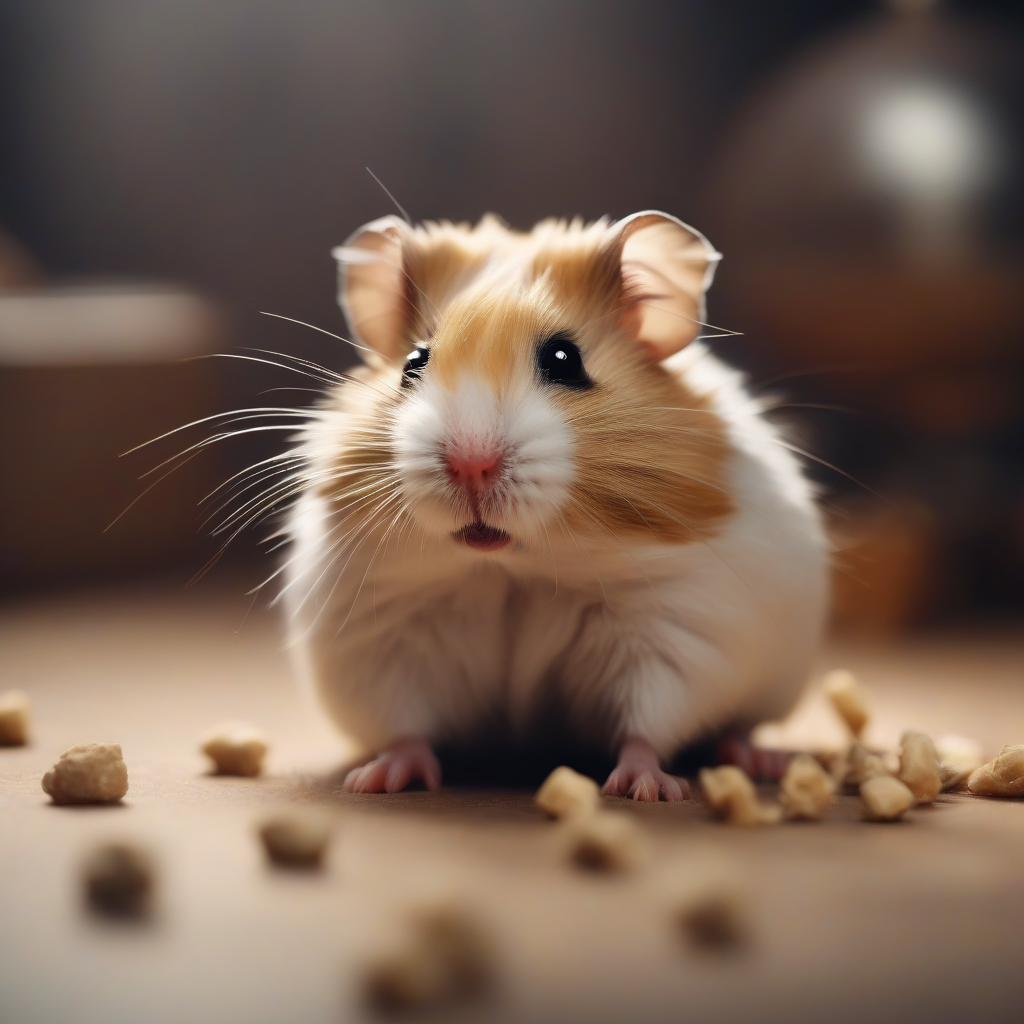
In this article, you will explore the scientific motivations behind hamsters' nocturnal nature and underground behaviors, their impact on behavioral well-being, and how you can support these instincts.


In this article, we will deeply explore the insidious neurobiological effects of gut microbiome imbalance (dysbiosis) on your rabbit's brain health and provide scientific-based solutions to maintain mental vitality.

In this article, you can find comprehensive information on how pancreatitis in dogs not only affects the digestive system but also insidiously impacts the brain, its neuroinflammatory mechanisms, and lifesaving emergency intervention strategies.

Discover the 5 insidious effects of overfeeding, one of the most stealthy threats to your fish's health, causing neurometabolic destruction in their brains, and learn scientific feeding strategies to prevent this demise. Uncover the silent danger in your aquarium!
Despite their small size, hamsters are creatures with complex behavioral motifs and a rich inner world. As they live as pets, understanding these small rodents' natural instincts and psychological needs is vital for their well-being. In March 2026, we will delve deep into this 'Secret Night Symphony' – the scientific motivations behind hamsters' underground lives and their impact on their overall behavioral well-being.
In the wild, hamsters are small animals easily targeted by predators. Therefore, their survival strategies are often built upon hiding, escaping, and securing resources. These evolutionary pressures have shaped their nocturnal lifestyle, their constant burrowing and nesting tendencies, and their food hoarding behaviors. These behaviors not only meet physical needs but also form the basis for hamsters' psychological balance and sense of security.
Hamsters are most active at night due to their circadian rhythms. This means their biological clocks are tightly linked to the light-dark cycle of their environment. In a home environment, excessive noise or light disrupting this natural rhythm can increase stress levels and lead to behavioral problems. Providing them with a peaceful nocturnal environment where they can exhibit their natural behaviors is critically important for their well-being. Research indicates that appropriate environmental conditions can even positively influence hamsters' bonding process in their new home during the first 48 hours.
One of the most prominent behaviors of hamsters is their ability to dig extensive tunnel networks and construct complex nests. This is not just a need for shelter but also an expression of a deep quest for security, control, and environmental mastery.
To support these natural instincts in a home environment, it is important to provide deep bedding material (at least 15-20 cm) and accessories that encourage tunnel systems.
Hamsters are known for carrying food in their cheek pouches and storing it in special chambers within their nests. This behavior is not just a precaution against future scarcity but also serves as a kind of security blanket. Food hoarding helps the hamster feel secure and in control. Hindering this instinct or constantly removing their stored food can cause stress and anxiety in hamsters. Providing them with ample food and respecting their storage areas is critical for their psychological balance.
Hamsters are intelligent and curious creatures. Their underground world is not just a physical space but also a cognitive playground. Exploring tunnels, finding new paths, and managing resources develop their problem-solving skills.
For pet hamsters, providing this cognitive stimulation prevents boredom and reduces behavioral issues. Enriching their environment by offering different textures of bedding, hiding spots, tunnels, and safe chewing toys satisfies their natural exploratory instincts. Additionally, special intelligence toys can be used to discover scientific ways to enhance your hamster's problem-solving skills. Such enrichments contribute to both their physical and mental health.
Although hamsters prefer to live alone, the relationship they build with their owners has a significant impact on their psychological well-being. Trust built through correct approaches allows them to adapt better to their environment. Building a deep relationship and trust with your hamster requires patience and understanding. Respecting their natural behaviors and avoiding forced interactions ensures that these little friends are psychologically healthy and happy.
Understanding your hamster's 'Secret Night Symphony' means acknowledging that they are not just small pets, but creatures full of deep instincts and complex psychological needs. By comprehending the scientific motivations of their underground worlds, we can offer them a richer, safer, and more mentally stimulating life. This is a step not only for their health but also for strengthening the bond between you.
