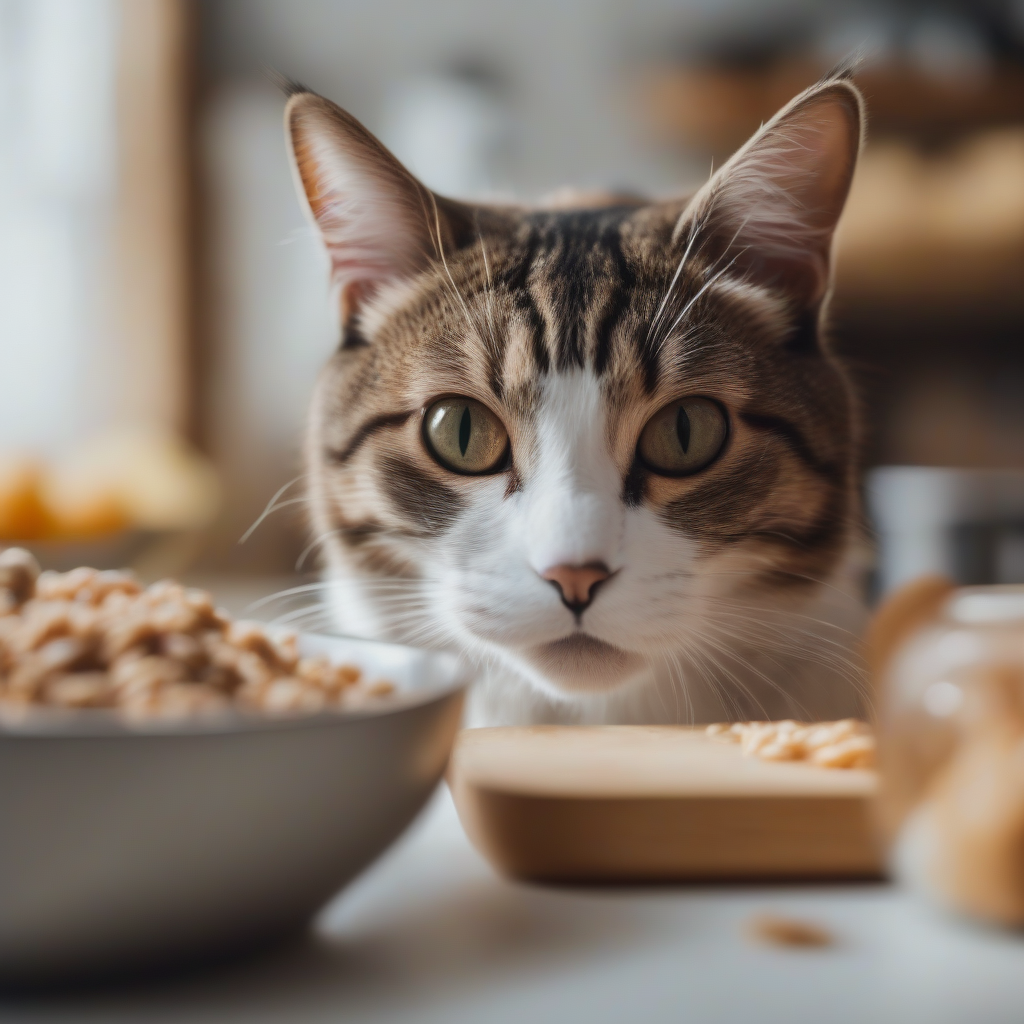
In this article, you will find comprehensive information about the effects of grains on your cat's digestive system, the scientific benefits of a gluten-free diet, and critical points to consider when choosing food.


In this article, we will deeply explore the insidious neurobiological effects of gut microbiome imbalance (dysbiosis) on your rabbit's brain health and provide scientific-based solutions to maintain mental vitality.

In this article, you can find comprehensive information on how pancreatitis in dogs not only affects the digestive system but also insidiously impacts the brain, its neuroinflammatory mechanisms, and lifesaving emergency intervention strategies.

Discover the 5 insidious effects of overfeeding, one of the most stealthy threats to your fish's health, causing neurometabolic destruction in their brains, and learn scientific feeding strategies to prevent this demise. Uncover the silent danger in your aquarium!
As of March 2026, pet owners' awareness regarding nutrition has significantly increased. Particularly, the complex digestive systems of cats still hold many secrets that are not fully understood. Grains, a common ingredient in conventional cat foods, can be more than just a filler for some cats, acting as triggers for serious digestive issues and allergic reactions. In this article, we will delve into the depths of your cat's digestive system to examine the potential harms of grains, the scientific advantages of a gluten-free diet, and how to make the right food choice, step by step.
Cats are, by nature, obligate carnivores. This means they primarily rely on animal-based proteins for survival and to obtain all the nutrients they need. Their digestive systems have evolved to efficiently break down and absorb meat. Therefore, their capacity to digest grains like corn, wheat, and barley, which are rich in carbohydrates, is limited. This situation can lead to various health problems in the long run:
The lack or insufficiency of enzymes in cats' digestive systems required to break down grains leads to incomplete digestion. Undigested grains can undergo fermentation in the intestines, causing gas, bloating, and discomfort. This chronic irritation can negatively affect the cat's overall health.
Grains are one of the most common causes of food allergies and sensitivities in cats. The immune system may perceive certain grain proteins as harmful and react. These reactions can manifest as skin problems (itching, redness, hair loss) or digestive symptoms (vomiting, diarrhea). In our article, Your Cat's Hidden Food Sensitivities: The Unseen Secrets of Their Digestive System and 5 Scientific Solutions for a Happy Cat, we discussed the importance of these sensitivities in detail.
Grain-based foods are typically high in carbohydrates. Considering the carnivorous nature of cats, excessive carbohydrate intake is converted into fat in the body, increasing the risk of obesity. In our article, Your Cat's 'Hidden Weight Trap': Beyond the Food Bowl - Scientific Secrets to Stop Weight Gain and Trick Their Brain!, we touched upon this topic and offered solutions.
Gluten-free nutrition can offer revolutionary solutions not only for humans but also for cats with specific health issues. Gluten-free foods do not contain grains or use alternative gluten-free grains (like rice, oats - but still be cautious). The scientific benefits of this are:
By removing grains and gluten, the cat's digestive system functions more efficiently. This leads to better breakdown of food and more effective absorption of vital nutrients, improving overall energy levels and health.
A gluten-free diet eliminates allergens for many cats. This can significantly help reduce skin problems such as itching, redness, and hair loss. As mentioned in our article, Your Cat's 'Unknown Immune Warriors': 5 Critical Signs of Stealth Inflammation in Fur and Solutions, fur-related issues are often linked to diet.
Gluten-free foods generally contain a higher proportion of animal protein and a lower proportion of carbohydrates. This helps maintain your cat's energy levels more stably and aids in preventing excessive weight gain. This is particularly beneficial for cats with tendencies towards overeating.
When transitioning to a gluten-free diet, there are several critical points to consider:
In conclusion, your cat's nutrition is vital for their overall health and well-being. By understanding the potential harms of grain-based foods and leveraging the scientific advantages of a gluten-free diet, you can support your companion's digestive system and ensure they live a healthier, happier life.
