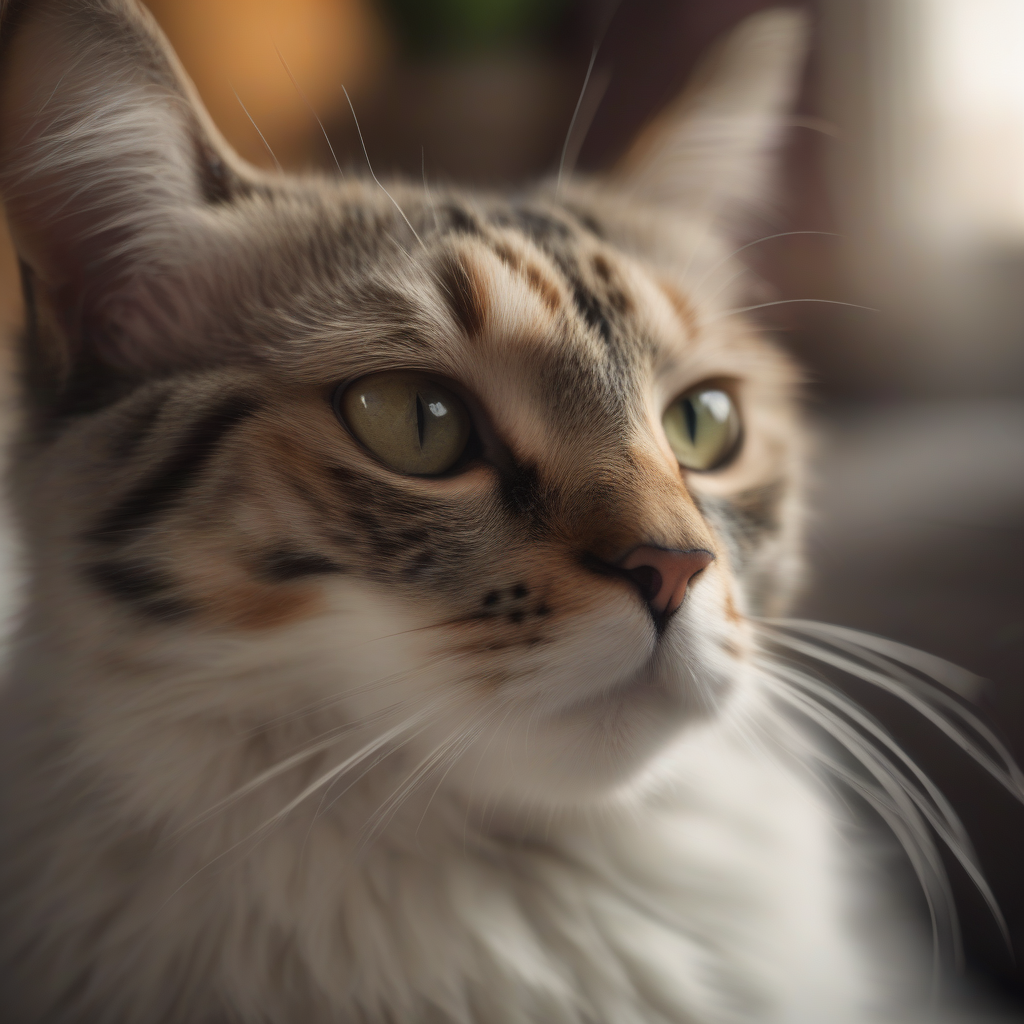
In this article, discover the early signs of stealth inflammation hidden in your cat's fur structure and scientific ways to solve this critical health problem.


In this article, we will deeply explore the insidious neurobiological effects of gut microbiome imbalance (dysbiosis) on your rabbit's brain health and provide scientific-based solutions to maintain mental vitality.

In this article, you can find comprehensive information on how pancreatitis in dogs not only affects the digestive system but also insidiously impacts the brain, its neuroinflammatory mechanisms, and lifesaving emergency intervention strategies.

Discover the 5 insidious effects of overfeeding, one of the most stealthy threats to your fish's health, causing neurometabolic destruction in their brains, and learn scientific feeding strategies to prevent this demise. Uncover the silent danger in your aquarium!
Your cat's lustrous and healthy fur is one of the most visible indicators of their overall health. However, sometimes a stealthy enemy can be hidden within this magnificent coat, signaling serious health issues: inflammation in the fur structure. Often, owners only notice an increase in shedding, when the underlying causes are much deeper. In this article, we will scientifically explore the unknown immune warriors behind your cat's fur and the early diagnosis and treatment methods for this insidious inflammation.
Fur is not just a cosmetic feature; it is a living indicator that reflects your cat's internal state. Minor but potent inflammations around the hair follicles are an alarm bell from the immune system. These inflammations can be triggered by various internal and external factors:
Cats, like humans, can be sensitive to various allergens. Food allergies, environmental allergens (pollen, dust mites, mold), or even parasitic allergies (like flea bite allergy) can cause inflammation in the hair follicles. These allergic responses weaken the hair roots, leading to abnormal hair loss or brittle fur structure. Changes in fur texture, such as dullness, easy breakage, and a lifeless appearance, can be a sign of silently progressing allergy.
The lack of essential nutrients required for healthy fur can trigger inflammation. Especially omega-3 and omega-6 fatty acids, vitamins (A, E, B vitamins), and minerals (zinc, copper) are vital for fur health and follicle function. Insufficient or unbalanced nutrition creates a foundation for inflammation by reducing the hair follicles' capacity for self-renewal. This situation can stem from an imbalance similar to the bone health issues discussed in our article on Your Fish's 'Invisible Calcium Battle': Stealthy Secrets Threatening Bone Health and 5 Scientific Rules for Balanced Nutrition, meaning a deficiency in one part of the body can affect others.
Cats are highly sensitive to environmental changes or stressors. Prolonged stress can lead to hormonal imbalances, suppressing the immune system and creating a predisposition for inflammation in the hair follicles. Excessive grooming behavior, especially when stress-induced, can also cause localized inflammation and hair loss. Understanding the underlying stress factors behind behavioral changes, as highlighted in our article Your Cat's 'Invisible Stress Mirror': Stealthy Signals of Environmental Stimuli Reflected in Behavior and Psychological Solutions, plays a critical role in maintaining fur health.
Fleas, ticks, and even internal parasites not only feed on blood but also cause allergic reactions and inflammation in the hair follicles. Flea allergy, in particular, is a common problem in cats, leading to intense itching and hair loss. Skin irritation caused by parasites leaves hair follicles vulnerable, increasing the risk of infection.
Certain cat breeds are genetically more prone to fur structure issues. Additionally, underlying medical conditions such as immune system diseases, thyroid problems, or dermatological disorders can also lead to inflammation in the fur structure. These conditions affect your cat's overall health and manifest in their fur.
Early diagnosis is key to effectively managing fur problems. Here are 5 critical signs to watch out for:
Normally, cats shed seasonally. However, if you've noticed more hair loss lately, especially concentrated in certain areas, it's an alarm sign. It's important to note not just increased shedding, but also if the fur itself is breaking off brittlely.
Healthy cat fur is usually shiny and smooth. If the fur appears dull, lifeless, and easily becomes static, it can indicate a disruption in the fur's internal moisture and oil balance. This can occur as a result of inflammation in the hair follicles.
One of the most common causes underlying hair loss is inflammation and irritation of the skin. You might notice redness, sensitivity, or flaky patches among the fur or around the hair roots. These symptoms can often be hidden beneath the fur, making them easy to overlook.
When stroking your cat's fur, you might notice a difference. If the fur feels coarser, stiffer, or excessively fine compared to before, it's a sign of compromised hair follicle health. These changes may indicate a disruption in the fur's growth cycle.
Cats tend to lick themselves for comfort when they feel discomfort or stress. If your cat is licking itself more than usual, persistently scratching certain areas, or showing distress towards its fur, it could be a sign of underlying inflammation. This could indicate a physical discomfort in addition to issues related to scent, as mentioned in our article on Your Cat's 'Secret Scent Labyrinth': The Pheromone War at Home and Scientific Secrets to Creating a Calm Living Space.
If you notice any of the above symptoms, your first and most important step is to consult a veterinarian. Your vet will determine the root cause of the problem through a thorough physical examination, skin scrapings, allergy tests, or blood work. Once the underlying cause of fur inflammation is identified, your vet will prescribe appropriate treatment, which may include anti-inflammatory medications, allergy medications, antiparasitic treatments, or antibiotics.
In addition to veterinary treatment, proper fur care can support the healing process. Regular brushing not only removes loose fur but also stimulates blood circulation through gentle massage. Specialized shampoos and lotions with anti-inflammatory properties can also be used as recommended by your veterinarian. Supplements rich in omega-3 and omega-6 fatty acids can support fur health from within, aiding in the recovery of Your Cat's Fur Structure: Unknown Risks and Scientific Care Secrets for Shiny Fur.
High-quality, balanced cat food is the foundation of a healthy fur structure. Your veterinarian may recommend specific diets rich in protein, vitamins, and minerals tailored to your cat's needs. If a food allergy is suspected, hypoallergenic or specialized therapeutic diets can be used under your vet's guidance. As discussed in Your Cat's 'Unknown Energy Source': The Hidden Battles of High-Protein Diets and the Revolution in Digestive Secrets!, nutrition has a direct impact on overall health and, consequently, fur health.
Enriching your cat's living environment is crucial for their mental and physical well-being. Scratching posts, interactive toys, and safe hiding spots help your cat channel their energy positively. Maintaining routines and providing a quiet, secure sleeping area are also important for reducing stressors. If your cat struggles with stress management, supportive products such as pheromone diffusers, as mentioned in Your Cat's 'Secret Scent Labyrinth': The Pheromone War at Home and Scientific Secrets to Creating a Calm Living Space, can be used.
Your cat's fur is more than just an aesthetic feature; it holds vital clues about their health. Stealth inflammation in the fur structure is a condition that can be overlooked but may signal serious health problems. By paying attention to the symptoms discussed and following scientific solution strategies, you can protect your cat's overall health and help them regain that lustrous, healthy coat. Remember, the guidance of a veterinarian is always the most reliable path.
